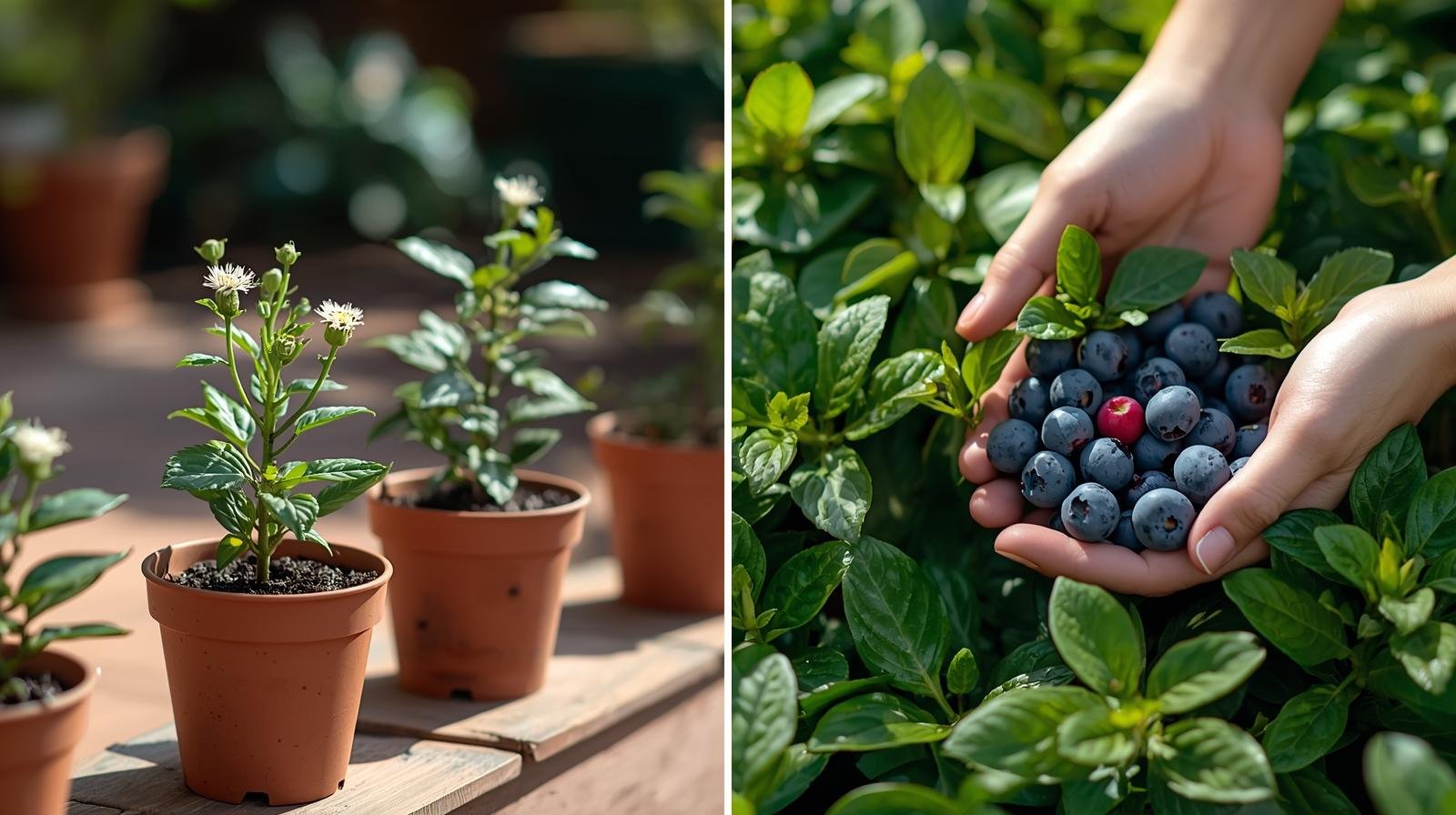
Introduction: Why Blueberries Grow Perfectly in Pots
Blueberries are one of the most rewarding fruits for home gardeners. Growing blueberries in pots allows people with limited space to enjoy fresh berries. Container growing offers better soil control and easier maintenance. Blueberries thrive when their soil needs are precisely met. Potted plants allow mobility and climate protection. Homegrown blueberries taste sweeter than store-bought ones. Blueberry plants are also visually attractive. They offer flowers, fruit, and fall color. Container gardening makes blueberry growing accessible.
Benefits of Growing Blueberries in Containers
Growing blueberries in pots gives complete control over soil acidity. Containers reduce weed problems significantly. Pots make it easier to manage water levels. Blueberries grown in containers suffer fewer diseases. They can be moved to sunnier spots easily. Container blueberries suit balconies and patios. Harvesting becomes simpler and cleaner. Frost protection is easier with movable pots. Container growing increases success rates.
Choosing the Right Blueberry Variety for Pots
Not all blueberry varieties perform well in containers. Lowbush and half-high varieties work best. Dwarf highbush blueberries are ideal for pots. Popular choices include Top Hat and Sunshine Blue. These varieties stay compact naturally. They produce fruit reliably in containers. Self-pollinating varieties simplify growing. Cold tolerance varies by variety. Choosing wisely ensures success.
Best Pot Size for Blueberry Plants
Blueberry plants need roomy containers to thrive. A pot at least eighteen inches wide is ideal. Deep containers allow healthy root development. Larger pots retain moisture better. Drainage holes are essential for root health. Lightweight pots allow easy movement. Clay and plastic both work well. Avoid shallow containers. Proper pot size supports long-term growth.
Soil Requirements for Potted Blueberries
Blueberries require acidic soil to absorb nutrients. Use a soil mix designed for acid-loving plants. Peat moss helps maintain acidity. Pine bark improves drainage and structure. Avoid garden soil in pots. Soil should be loose and airy. Maintaining proper pH is critical. Regular soil testing helps. Correct soil ensures healthy plants.
Light Requirements for Blueberries in Pots
Blueberries need plenty of sunlight to fruit well. Six to eight hours of sunlight is ideal. Morning sun encourages strong growth. Afternoon shade helps in hot climates. Insufficient light reduces berry production. Rotate pots for even exposure. Balcony growers should track sun patterns. Grow lights help in low-light homes. Adequate light boosts harvests.
Watering Blueberries in Containers Correctly
Container blueberries need consistent watering. Soil should remain moist but not soggy. Overwatering causes root rot. Underwatering leads to stress and poor fruiting. Water deeply when the top soil dries. Use rainwater if possible. Mulching helps retain moisture. Hot weather increases watering needs. Balanced watering is essential.
Fertilizing Blueberries in Pots
Blueberries require specific nutrients to thrive. Use fertilizer designed for acid-loving plants. Feed during the growing season only. Avoid overfertilizing as roots are sensitive. Organic fertilizers work well in containers. Slow-release feeding provides steady nutrition. Yellow leaves indicate nutrient issues. Correct feeding improves yields. Moderation is important.
Mulching Potted Blueberries
Mulch protects blueberry roots from heat stress. Pine needles are excellent mulch. Bark chips also work well. Mulch retains moisture effectively. It prevents soil compaction. Mulching suppresses weeds. Refresh mulch annually. Avoid piling mulch against stems. Mulching improves plant health.
Pruning Blueberries Grown in Pots
Pruning maintains plant size and productivity. Remove dead or weak branches annually. Light pruning improves airflow. Avoid heavy pruning in early years. Older plants benefit from renewal pruning. Pruning encourages larger berries. Clean tools prevent disease spread. Timing matters for best results. Proper pruning improves yields.
Pollination Needs for Container Blueberries
Some blueberry varieties are self-pollinating. Cross-pollination improves fruit size and yield. Growing two varieties increases harvests. Bees play a vital role outdoors. Indoor or balcony growers may need hand pollination. Gentle shaking helps pollen transfer. Healthy flowers attract pollinators. Pollination ensures fruit set.
Managing Pests in Container Blueberries
Pests are less common in container blueberries. Birds are the main concern. Netting protects ripening fruit. Inspect leaves regularly for insects. Neem oil helps control pests naturally. Healthy plants resist infestations. Avoid chemical sprays. Clean surroundings reduce problems. Prevention is key.
Protecting Blueberries from Heat and Cold
Extreme temperatures stress blueberry plants. Move pots during heat waves. Shade protects roots from overheating. In winter, insulate containers. Cold climates may require indoor protection. Mulching helps regulate soil temperature. Avoid freezing roots. Seasonal protection ensures survival. Care improves longevity.
Encouraging Flowering and Fruit Production
Consistent care encourages abundant blooms. Proper sunlight triggers flowering. Balanced fertilizer supports fruiting. Avoid stress during bloom time. Adequate watering prevents flower drop. Pollination ensures berry formation. Healthy plants bloom reliably. Patience leads to success.
Harvesting Blueberries Grown in Pots
Blueberries ripen gradually over weeks. Harvest when berries turn deep blue. Gently pick without pulling branches. Ripe berries detach easily. Frequent harvesting encourages more fruit. Taste berries for sweetness. Avoid harvesting too early. Proper harvesting preserves quality.
Storing and Using Fresh Blueberries
Fresh blueberries store well in refrigeration. Do not wash before storing. Freeze surplus berries easily. Use blueberries in baking and smoothies. Homegrown berries taste superior. Proper storage extends shelf life. Use within a week fresh. Enjoy nutritional benefits.
Long-Term Care of Container Blueberries
Repot plants every few years. Refresh soil to maintain acidity. Monitor root health. Prune annually for balance. Consistent care ensures longevity. Blueberries can produce for many years. Container care requires attention. Rewards increase over time.
Common Mistakes When Growing Blueberries in Pots
Incorrect soil pH causes failure. Overwatering damages roots. Insufficient sunlight reduces yield. Skipping fertilizer affects growth. Using small pots limits roots. Ignoring winter protection harms plants. Awareness prevents problems. Knowledge improves success.
Table: Blueberry Container Growing Essentials
Aspect
Container size should be large and deep
Soil type
Acidic soil with organic matter
Sunlight
Minimum six hours daily
Watering
Consistent moisture without waterlogging
Image Generation Prompt (2 Half in 1 Image)
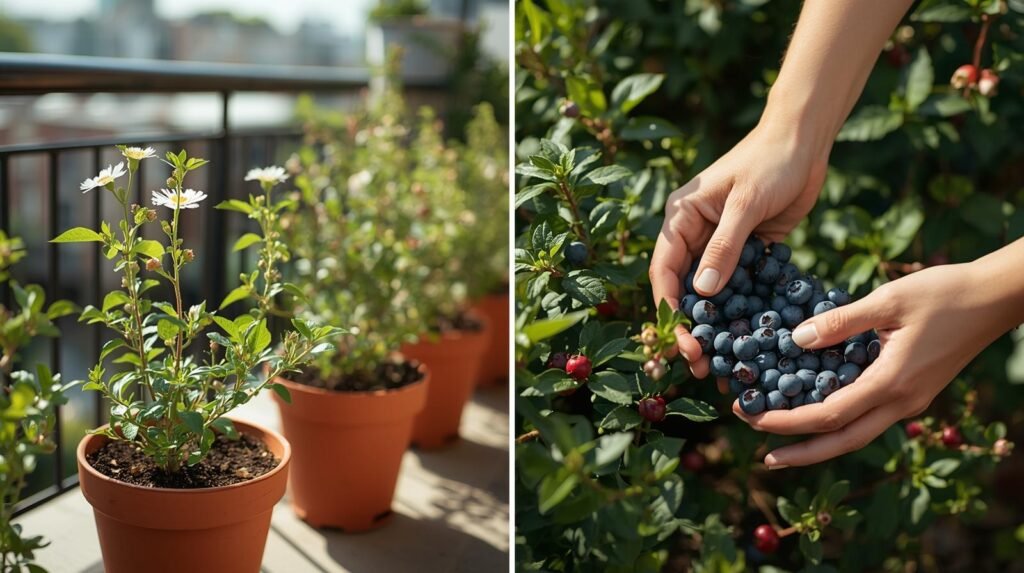
“Split image showing blueberry container gardening: left side shows blueberry plants growing in pots on a sunny balcony with flowers, right side shows ripe blueberries being harvested from potted plants, realistic home gardening style, natural lighting, high detail”
🍇 Article 2: Growing Blueberries in Pots at Home for Easy, Abundant Harvests
Introduction: The Rise of Container Blueberry Gardening
Home gardeners increasingly choose blueberries for container growing. Pots make blueberry cultivation accessible anywhere. Soil control is easier in containers. Blueberries thrive with precise care. Container gardening suits urban lifestyles. Blueberries provide health benefits and beauty. Fresh berries motivate gardeners. Containers reduce common growing challenges. Blueberries adapt well to pots.
Why Blueberries Are Ideal for Container Growing
Blueberries have shallow root systems. They adapt well to confined spaces. Containers allow perfect soil acidity control. Water management improves in pots. Blueberries remain manageable in size. Pest exposure is reduced. Pots allow seasonal movement. Urban gardeners benefit greatly. Container blueberries thrive with care.
Selecting the Best Blueberry Varieties for Pots
Compact varieties perform best in containers. Dwarf and half-high types are recommended. Top Hat blueberries stay naturally small. Sunshine Blue tolerates warm climates. Self-fertile varieties simplify growing. Choose disease-resistant plants. Nursery-grown plants fruit sooner. Variety choice determines success. Selection matters greatly.
Choosing the Right Container for Blueberries
Large containers support healthy growth. Depth allows strong root systems. Drainage holes are essential. Avoid decorative pots without drainage. Lightweight containers improve flexibility. Insulated pots protect roots. Container size affects yield. Bigger pots offer stability. Proper containers prevent stress.
Preparing the Ideal Soil Mix
Blueberries demand acidic growing medium. Peat-based mixes work best. Pine bark improves drainage. Avoid alkaline components. Soil should be loose and airy. Proper pH improves nutrient uptake. Regular testing maintains balance. Soil quality drives success.
Light Needs for Container Blueberries
Blueberries require strong sunlight exposure. Full sun increases berry production. Morning sun is especially beneficial. Shade reduces flowering. Balcony placement affects light access. Rotate pots regularly. Indoor growers need grow lights. Light consistency is essential.
Watering Container-Grown Blueberries
Blueberries prefer evenly moist soil. Containers dry out faster than ground soil. Water deeply and regularly. Avoid waterlogging roots. Mulching helps retain moisture. Hot weather increases needs. Consistent watering prevents stress. Balance is crucial.
Feeding Blueberries in Containers
Blueberries are light feeders. Use acid-loving plant fertilizer. Apply during active growth. Avoid high nitrogen levels. Organic feeding works well. Slow-release fertilizers provide stability. Yellow leaves signal deficiency. Feeding improves productivity.
Importance of Mulching Blueberries
Mulching protects soil moisture. Pine needles maintain acidity. Mulch insulates roots from heat. It reduces evaporation. Mulching suppresses weeds. Refresh mulch annually. Avoid contact with stems. Mulching enhances health.
Pruning Techniques for Potted Blueberries
Pruning keeps plants compact. Remove damaged branches yearly. Thin crowded growth. Avoid excessive pruning early. Mature plants benefit from renewal pruning. Pruning improves airflow. Better structure supports fruiting. Clean cuts prevent disease.
Pollination Requirements in Containers
Self-pollinating varieties produce fruit alone. Cross-pollination increases yields. Growing two varieties improves results. Bees assist outdoors. Hand pollination helps indoors. Gentle shaking spreads pollen. Healthy blooms attract pollinators. Pollination ensures berries.
Pest and Disease Management
Container blueberries face fewer pests. Birds remain a challenge. Netting protects fruit. Inspect leaves frequently. Neem oil controls insects. Good airflow prevents disease. Healthy plants resist issues. Early action is key.
Seasonal Care for Potted Blueberries
Spring care focuses on growth. Summer requires frequent watering. Fall prepares plants for dormancy. Winter protection is essential. Insulate pots in cold climates. Reduce watering in winter. Seasonal adjustments improve survival. Planning ensures longevity.
Encouraging Bigger and Sweeter Berries
Consistent watering improves berry size. Adequate sunlight increases sweetness. Proper fertilization supports development. Thinning flowers improves fruit quality. Avoid plant stress. Pollination boosts berry formation. Healthy plants produce better fruit.
Harvesting Blueberries from Pots
Blueberries ripen gradually. Harvest when fully blue. Gently remove berries. Avoid pulling stems. Frequent picking increases yield. Taste confirms ripeness. Harvest regularly during season. Proper harvesting protects plants.
Storing Homegrown Blueberries
Store unwashed berries in refrigerator. Use breathable containers. Freeze excess berries easily. Homegrown berries last longer. Use quickly for best flavor. Proper storage prevents spoilage. Enjoy year-round benefits.
Long-Term Maintenance of Blueberries in Pots
Repot every few years. Refresh soil regularly. Monitor root health. Adjust pot size as plant grows. Consistent pruning maintains shape. Long-term care ensures productivity. Blueberries can live many years. Commitment pays off.
Common Errors in Container Blueberry Growing
Incorrect soil pH causes failure. Poor drainage damages roots. Lack of sunlight reduces yield. Overfertilization harms plants. Small pots limit growth. Ignoring winter protection weakens plants. Avoid mistakes for success.
Table: Container Blueberry Growing Guide
Growing Factor
Large pot with drainage holes
Soil Requirement
Acidic loose organic mix
Sun Exposure
Full sun daily
Watering Method
Even moisture without saturation