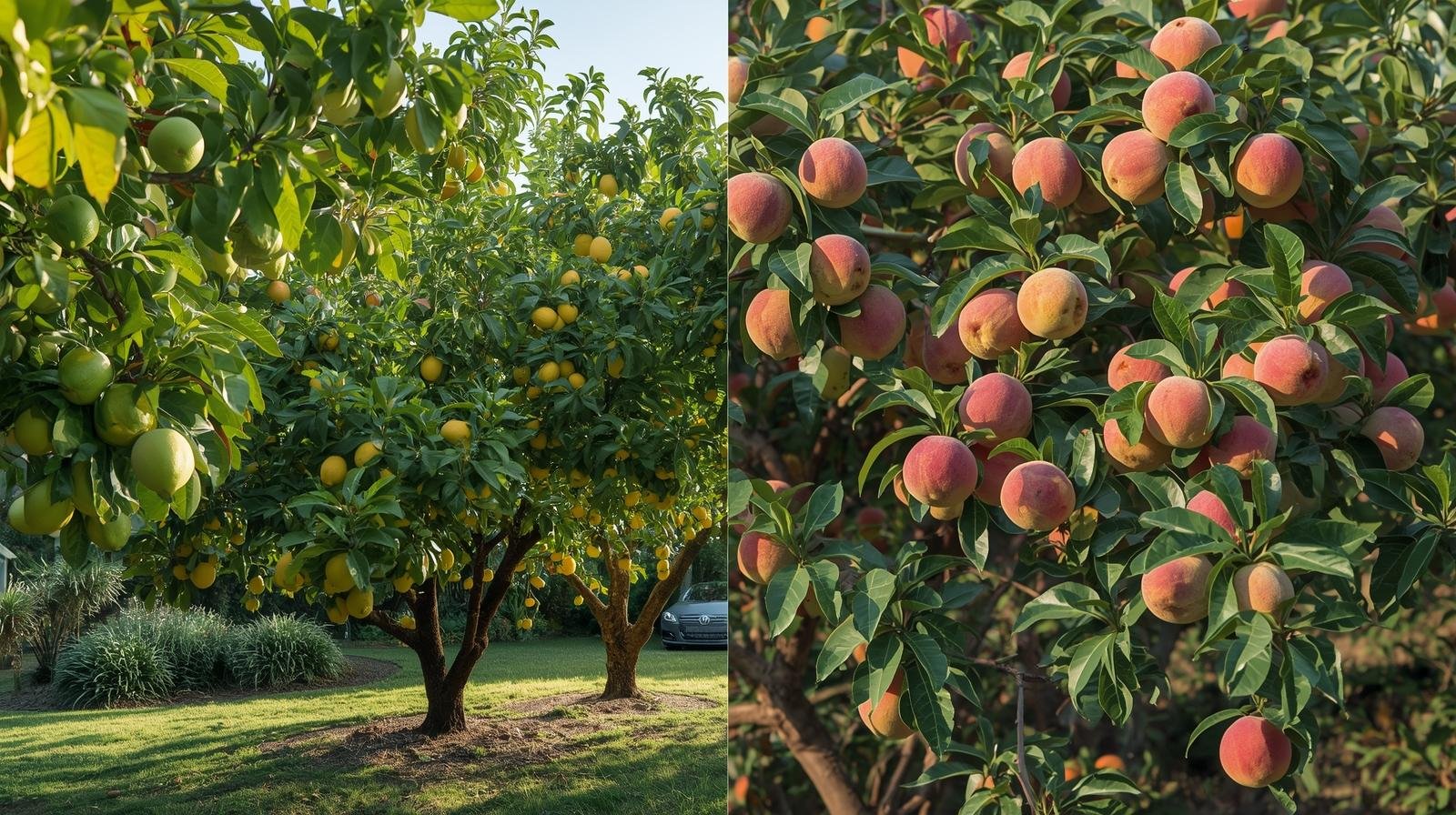
Introduction: Why Fast-Fruit Trees Are Popular with Gardeners
Many home gardeners want fruit trees that deliver results quickly rather than waiting several years. Fast-fruiting trees are ideal for beginners and small gardens. These trees begin producing fruit sooner than traditional orchard trees. Quick results boost motivation and confidence for gardeners. They are also excellent for container growing and urban spaces. Gardeners often recommend these trees based on proven performance. Early fruiting also allows quicker evaluation of plant health. Choosing fast producers saves time and effort. These trees make fruit gardening more rewarding.
Understanding What Makes a Tree Fruit Faster
Fruit trees produce faster due to genetics, grafting methods, and growing conditions. Grafted trees often fruit earlier than seed-grown trees. Dwarf and semi-dwarf varieties mature faster. Adequate sunlight and proper nutrition accelerate fruiting. Consistent watering reduces stress and promotes early blooms. Soil quality plays a major role in development speed. Pruning encourages energy focus on fruit production. Choosing the right variety ensures faster harvests. Understanding these factors improves success.
Benefits of Growing Fast-Producing Fruit Trees
Fast-producing fruit trees offer immediate rewards. They provide fresh, homegrown produce quickly. These trees require less patience, making them beginner-friendly. Early harvests reduce dependence on store-bought fruit. They also help gardeners learn pruning and care techniques faster. Quick production allows experimentation with varieties. Many fast trees suit containers and small spaces. They also increase garden productivity. Faster results make gardening more enjoyable.
1. Fig Tree: A Reliable Fast Fruit Producer
Fig trees are well known for producing fruit quickly. Many varieties bear fruit within one to two years. They thrive in warm climates and containers. Fig trees adapt well to pruning. Their fruit develops without pollination. Gardeners love figs for their sweetness and versatility. Fig trees grow well indoors and outdoors. They tolerate drought once established. With proper care, figs provide quick harvests.
Growing and Caring for Fig Trees
Fig trees prefer full sunlight for best fruiting. Well-draining soil is essential to prevent root rot. Regular watering supports young plants. Pruning helps maintain manageable size. Fertilization should be light to avoid excess leaf growth. Fig trees benefit from winter protection in cold climates. Container-grown figs fruit quickly. Proper care ensures consistent yields. Healthy trees produce fruit reliably.
2. Lemon Tree: Early Citrus Production
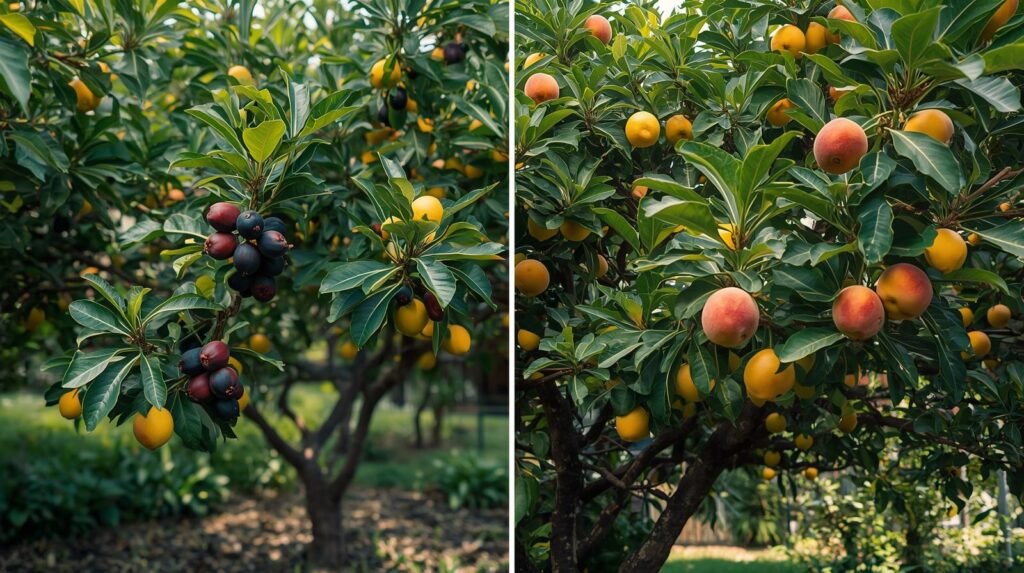
Lemon trees are popular fast-fruiting citrus trees. Grafted lemon trees can fruit within two years. They grow well in containers and indoors. Lemons are valued for culinary and household use. These trees thrive in warm, sunny conditions. Gardeners appreciate their fragrant blossoms. Lemon trees produce fruit year-round under ideal conditions. Regular care ensures steady harvests. Their versatility makes them favorites.
Growing and Caring for Lemon Trees
Lemon trees need bright sunlight for fruit development. Use well-draining soil with good aeration. Water consistently but avoid waterlogging. Feed with citrus fertilizer regularly. Pruning maintains shape and airflow. Protect from frost during winter. Indoor lemon trees benefit from grow lights. Proper care accelerates fruiting. Healthy trees yield abundant lemons.
3. Peach Tree: Quick Rewards with Proper Care
Peach trees are among the fastest fruiting orchard trees. Many varieties bear fruit within two years. They thrive in sunny locations with good airflow. Peach trees produce sweet, juicy fruit. Gardeners enjoy their spring blossoms as well. Proper pruning encourages early fruiting. Peach trees grow well in moderate climates. Disease-resistant varieties perform best. With care, peaches deliver quick harvests.
Growing and Caring for Peach Trees
Peach trees require full sun for optimal growth. Soil should be fertile and well-drained. Pruning annually improves fruit size and quality. Regular watering supports fruit development. Thinning fruit prevents branch overload. Fertilize moderately during growing season. Monitor for pests and diseases. Good care ensures early production. Healthy trees reward gardeners quickly.
4. Papaya Tree: Tropical Speed and Productivity
Papaya trees are extremely fast fruit producers. They can fruit within one year in warm climates. Papayas grow best in tropical and subtropical regions. They prefer loose, fertile soil. These trees require minimal pruning. Papayas are rich in nutrients and enzymes. Gardeners love their rapid growth. They produce fruit continuously once mature. Warm conditions ensure success.
Growing and Caring for Papaya Trees
Papaya trees need full sunlight daily. Soil must drain well to prevent root rot. Water regularly but avoid standing water. Fertilize frequently with balanced nutrients. Protect from strong winds. Papaya trees are sensitive to cold. Mulching helps retain moisture. Proper care results in fast harvests. Healthy plants fruit generously.
5. Mulberry Tree: Fast Growth and Early Fruit
Mulberry trees are known for rapid growth and early fruiting. Many varieties fruit within two years. They adapt to various climates. Mulberries are sweet and nutritious. Birds also enjoy mulberry fruit. These trees require minimal care once established. Mulberries tolerate pruning well. They thrive in full sun. Quick growth makes them popular.
Growing and Caring for Mulberry Trees
Mulberry trees prefer sunny locations. Well-drained soil supports healthy growth. Water young trees regularly. Prune to control size if needed. Fertilization is rarely required. Mulberries resist pests naturally. Protect fruit from birds if desired. Minimal care ensures productivity. Healthy trees produce abundantly.
Choosing the Right Fast-Fruit Tree for Your Garden
Climate plays a major role in tree selection. Space availability determines size choice. Container gardeners benefit from dwarf varieties. Fruit preference influences decision. Maintenance level should match experience. Local recommendations improve success. Choose disease-resistant varieties. Proper selection ensures faster results. Planning leads to satisfaction.
Common Mistakes When Growing Fast-Fruit Trees
Overfertilizing delays fruiting. Insufficient sunlight reduces blooms. Improper pruning affects production. Overwatering causes root problems. Ignoring climate needs weakens trees. Planting too deep harms roots. Avoid rushing care routines. Awareness prevents mistakes. Knowledge ensures success.
How to Encourage Faster Fruiting Naturally
Provide consistent sunlight and water. Use balanced fertilizers. Prune strategically to focus energy. Avoid stressing the plant. Mulch to retain moisture. Monitor plant health regularly. Support branches if needed. Natural care improves speed. Patience still matters.
Long-Term Benefits of Fast-Fruit Trees
Fast-fruit trees provide early harvests and long-term yields. They improve food security. Gardening skills develop quickly. Homegrown fruit tastes better. Trees enhance garden beauty. Pollinators benefit from blossoms. Sustainable gardening practices improve. Long-term productivity increases. Rewards grow over time.
Table: Fast-Producing Fruit Trees
Tree Name
Fig tree produces fruit within one to two years
Climate Preference
Papaya thrives in warm tropical regions
Growing Space
Lemon grows well in containers
Maintenance Level
Mulberry requires low maintenance