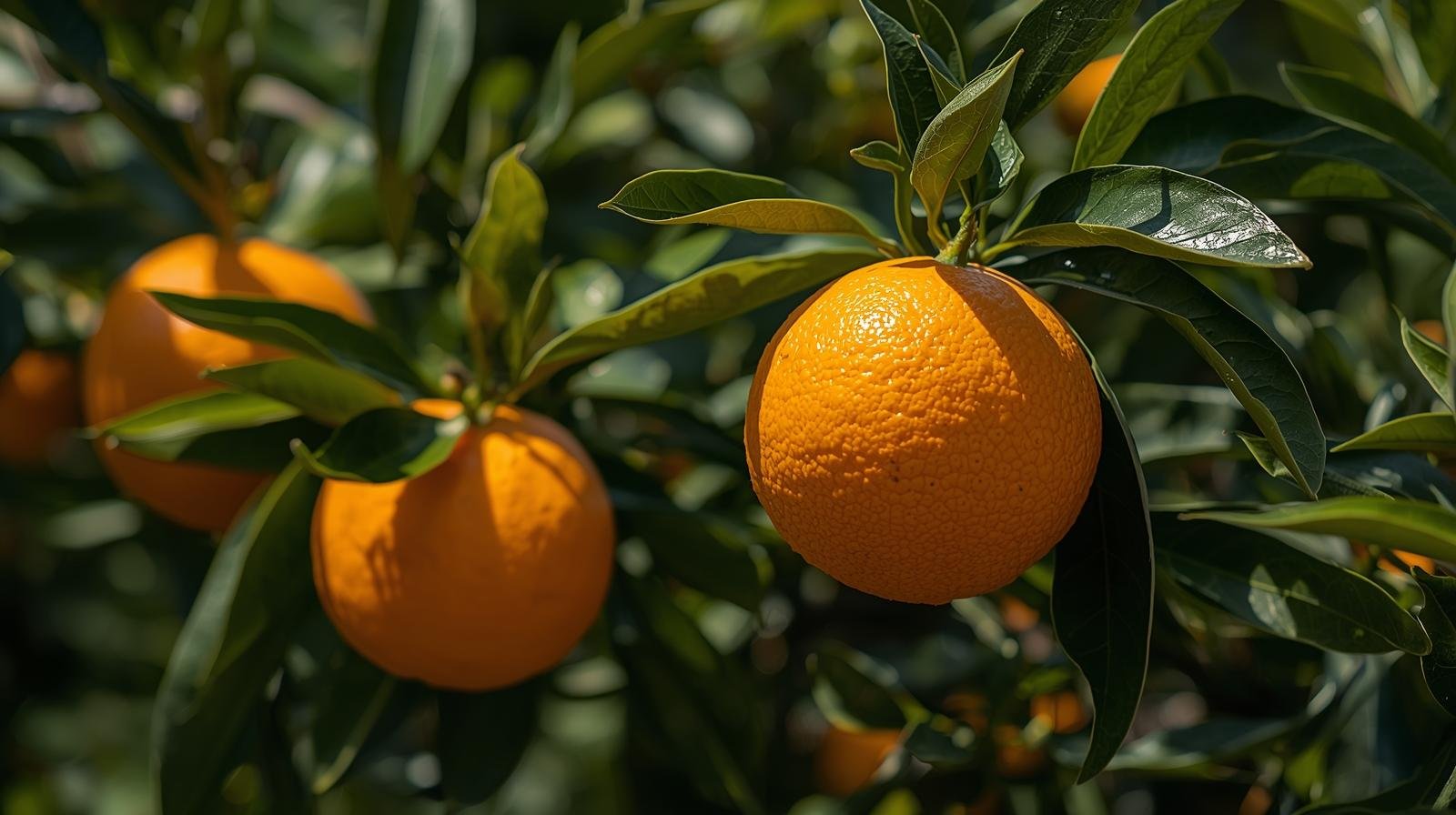
Introduction to Orange Tree Cultivation
Orange trees are evergreen fruit trees valued for their sweet, vitamin-rich fruits. With patience and proper care, they can be successfully grown at home in pots or gardens.
Choosing the Right Orange Variety
Dwarf and semi-dwarf varieties are best for home gardening. Grafted plants produce fruits earlier than seed-grown trees.
Climate and Sunlight Requirements
Orange trees thrive in warm climates with full sunlight. At least six hours of sunlight daily is essential.
Container or Ground Planting
Orange trees can be grown in large containers or planted directly in the ground. Containers offer better control over soil and water.
Soil Preparation for Strong Roots
Well-drained, slightly acidic soil enriched with organic compost promotes healthy root development.
Planting Technique
Saplings should be planted at the correct depth, ensuring the graft union remains above soil level.
Watering Practices
Deep watering encourages strong root growth. Overwatering can lead to root rot and nutrient loss.
Nutrient Management
Citrus-specific fertilizers support leaf growth, flowering, and fruit development throughout the year.
Pruning and Canopy Management
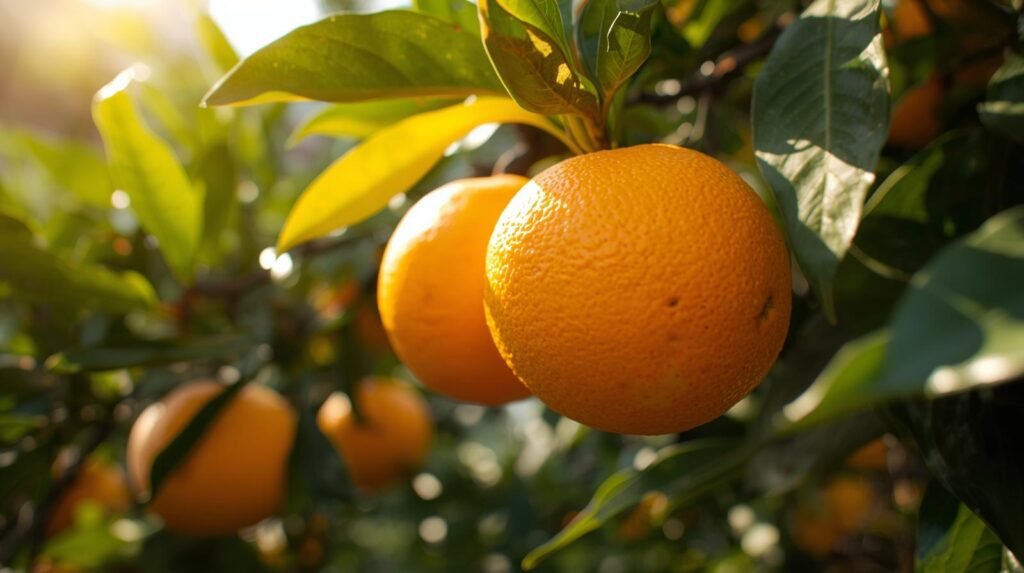
Pruning improves air circulation and sunlight penetration, reducing disease risk.
Pest and Disease Control
Orange trees may face pests such as aphids and leaf miners. Organic pest management keeps trees healthy.
Flowering and Fruit Development
Consistent nutrition and moisture improve flower retention and fruit quality.
Harvesting and Long-Term Care
Oranges are harvested when fully colored and firm. Proper care ensures consistent fruiting every year.
Orange Tree Growing Method Comparison Table
| Method | Fruiting Time | Maintenance | Suitability |
|---|---|---|---|
| Seed-Grown Tree | Very Late | Low | Experimental |
| Grafted Tree | Early | Moderate | Home Gardens |