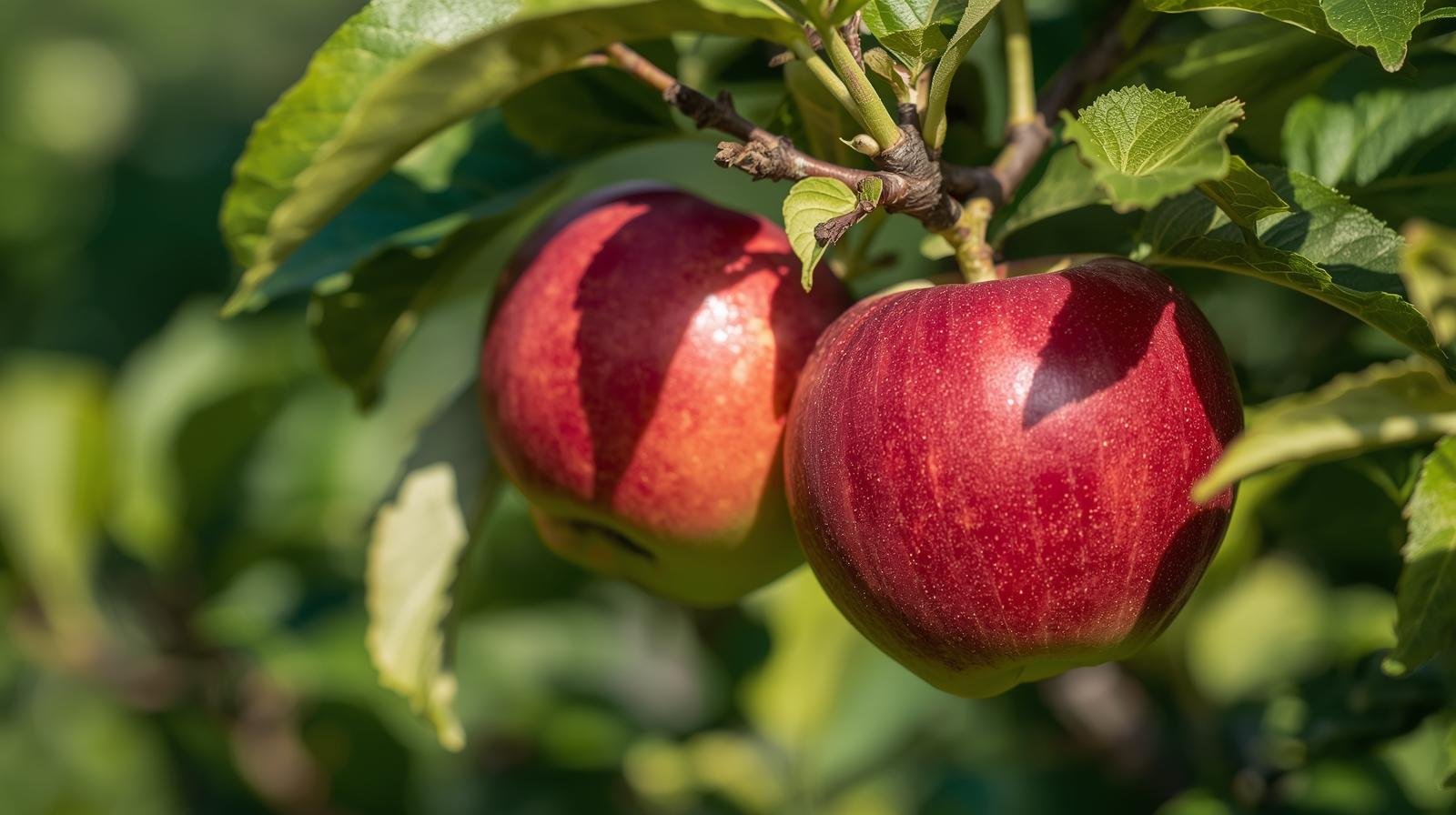
Introduction to Growing Apple Trees at Home
Growing an apple tree at home was once limited to cooler regions and large orchards. With modern dwarf varieties and improved techniques, home gardeners can now successfully grow apple trees even in limited spaces.
Selecting Suitable Apple Varieties
Dwarf and semi-dwarf apple varieties are ideal for home gardens. Grafted plants ensure early fruiting and controlled tree size.
Climate and Location Considerations
Apple trees require a cool climate and adequate chilling hours. A sunny location with good air circulation is essential.
Container or Ground Planting
Apple trees grow well in large containers or garden soil. Containers allow better control over soil and moisture.
Soil Preparation for Apple Trees
Well-drained, slightly acidic soil enriched with compost promotes healthy root development and nutrient uptake.
Planting Technique for Strong Establishment
The graft union should remain above soil level. Proper planting depth prevents disease and supports healthy trunk growth.
Watering Strategy for Young Trees
Regular deep watering supports root development during early growth stages. Overwatering is avoided.
Nutrient Management for Balanced Growth
Nitrogen supports vegetative growth, while phosphorus and potassium improve flowering and fruit formation.
Pruning and Training Techniques
Annual pruning helps shape the tree, improves sunlight penetration, and increases fruit quality.
Flowering and Pollination Management
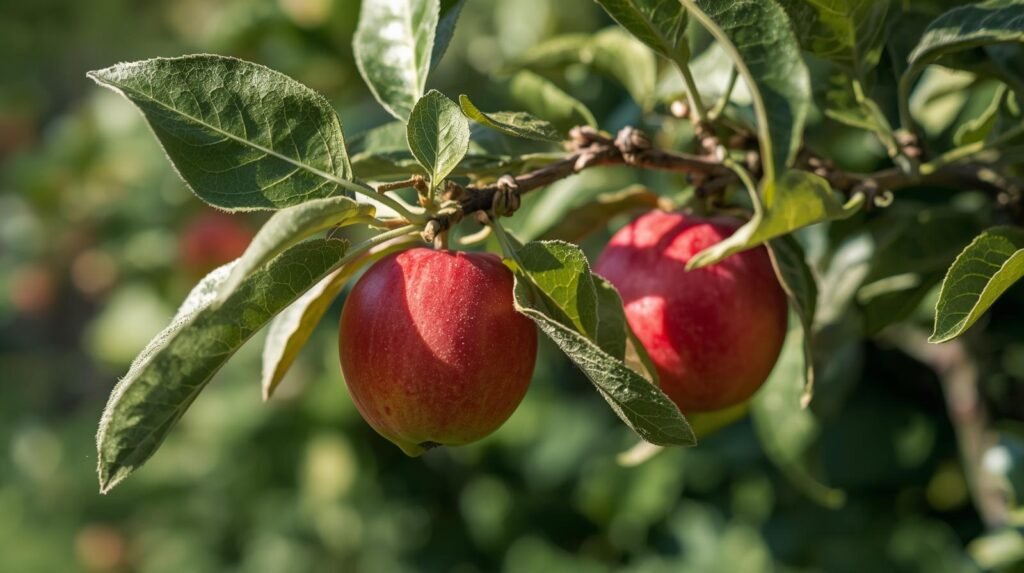
Cross-pollination improves fruit set. Encouraging pollinators enhances yield.
Pest and Disease Control at Home
Organic pest control and regular monitoring prevent common apple tree problems.
Harvesting and Long-Term Care
Apples are harvested at maturity. Seasonal pruning and feeding keep the tree productive for years.
Apple Growing Method Comparison Table
| Method | Tree Size | Fruiting Time | Yield |
|---|---|---|---|
| Traditional Method | Large | Late | Average |
| Smart Home Technique | Compact | Earlier | High |