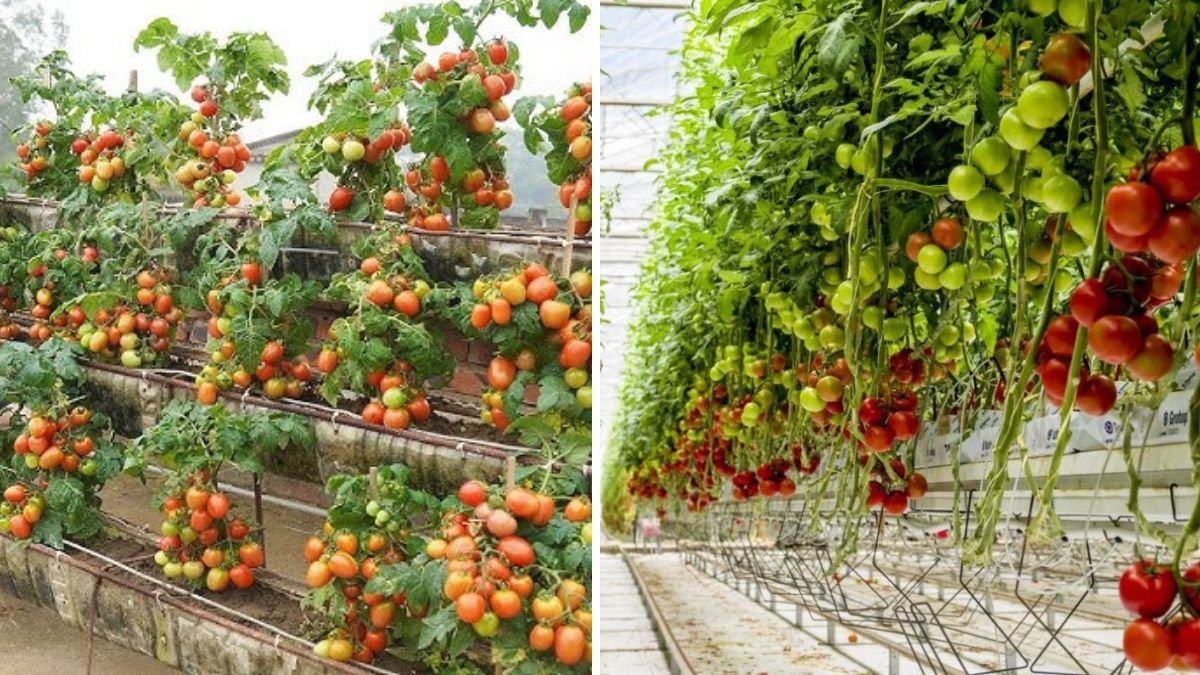
Growing tomatoes at home is one of the most fulfilling gardening experiences — but what if you could grow bigger, juicier, and faster-producing tomatoes without using a single handful of soil? Even better, what if you could grow them using recycled containers you already have?
Welcome to the incredible world of DIY hydroponic tomato gardening, where tomatoes thrive in nutrient-rich water, giving you cleaner, healthier, and more productive plants right inside your home, balcony, kitchen, or backyard.
In this guide, you’ll learn how to grow hydroponic tomatoes using simple recycled materials like plastic bottles, buckets, tubs, or jugs — while keeping it budget-friendly and easy for beginners.
Let’s dive in!
🌱 Why Hydroponic Tomatoes Are a Game-Changer

Hydroponics is no longer a high-tech, expensive system reserved for commercial farms. With just a few recycled containers, you can set up a thriving tomato garden that produces exceptional yields.
Here’s why hydroponics is so popular:
✔ Faster Growth
Tomatoes grow 30–50% faster in hydroponics because nutrients are directly absorbed by the roots.
✔ Bigger Yields
The plants aren’t limited by poor soil — they continuously receive optimal nutrition, leading to larger fruits.
✔ No Soil, No Mess
Perfect for indoor or apartment gardening.
✔ Fewer Pests & Diseases
Soil-borne diseases like blight are greatly reduced.
✔ Uses 80% Less Water
Hydroponics recirculates water instead of wasting it.
✔ Grow All Year Round
Whether it’s snowing outside or scorching hot — indoor hydroponics keeps producing.
And the best part? You can build your own system almost free using recycled containers.
♻️ Recycled Containers You Can Use
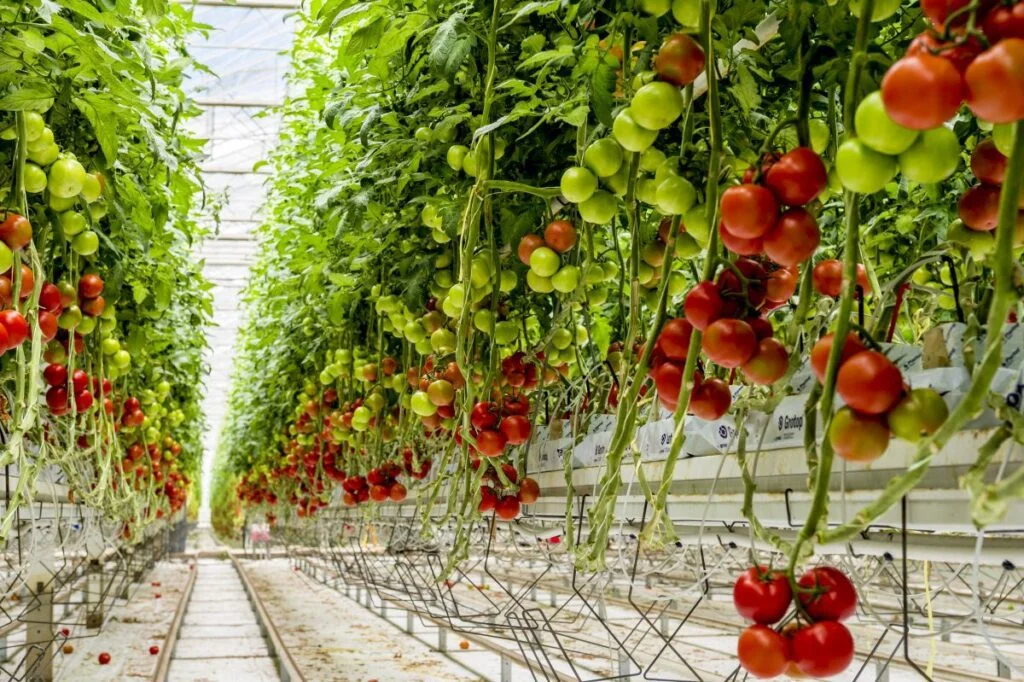
You don’t need to buy anything fancy. Many household items work perfectly for hydroponic tomato growing.
Best recycled containers:
- 5-liter or 10-liter water bottles
- Old paint buckets
- Plastic storage bins
- Large juice jugs
- Ice cream tubs
- Food-grade barrels
- Styrofoam boxes
- Used cooking oil cans (washed well)
Tip: Choose containers that are deep and stable because tomato plants grow large root systems.
🧱 How to Build Your DIY Hydroponic Tomato System
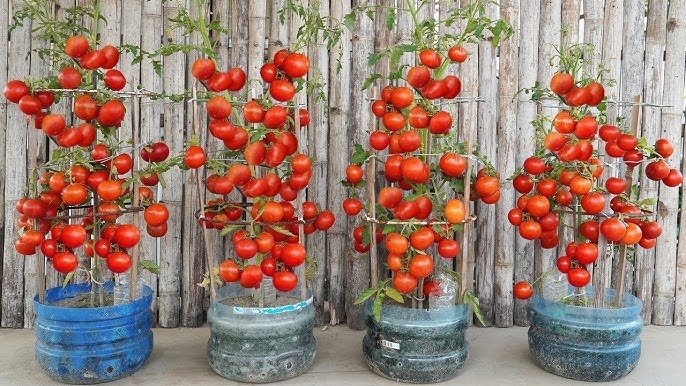
Here is the simplest homemade setup called the Kratky Method, perfect for beginners.
🔧 Materials Needed:
- Any large recycled container
- Net pots (or make your own from old plastic cups)
- Growing medium (cocopeat, perlite, or clay pebbles)
- Tomato seedlings
- Hydroponic nutrient solution (or DIY organic liquid fertilizer)
- A dark cloth or paint to block light
- Cutter or drill
- Water
🪜 Step-by-Step Instructions
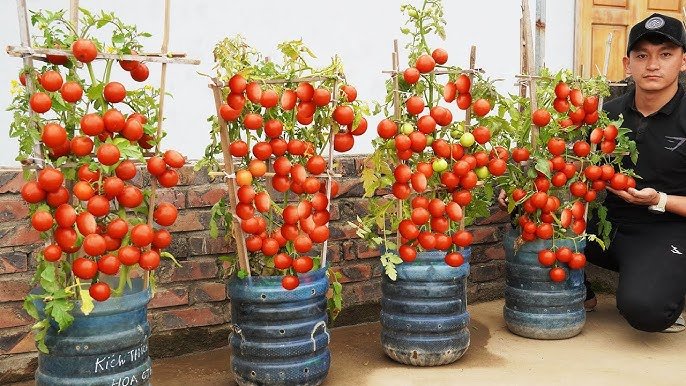
1. Prepare the Container
- Clean the recycled container thoroughly.
- If it’s transparent, paint it dark or wrap it in black cloth to prevent algae growth.
- Cut a hole in the lid that fits your net pot or cup.
2. Prepare the Net Pot
Fill the cup with:
- 60% cocopeat
- 40% perlite or clay pebbles
This allows oxygen to reach roots while holding moisture.
3. Mix the Hydroponic Solution
Fill the container with:
- Clean water
- Add hydroponic nutrients as instructed
The water level should reach just the bottom of the net pot.
4. Add Your Tomato Seedling
Gently place the seedling in the net pot, ensuring:
- Roots touch the nutrient solution
- Leaves stay above the rim
5. Let the Plant Grow
The Kratky method is passive — no pump, no electricity.
As the plant absorbs water, an air gap naturally forms, providing oxygen.
☀️ Where to Place Your Hydroponic Tomatoes
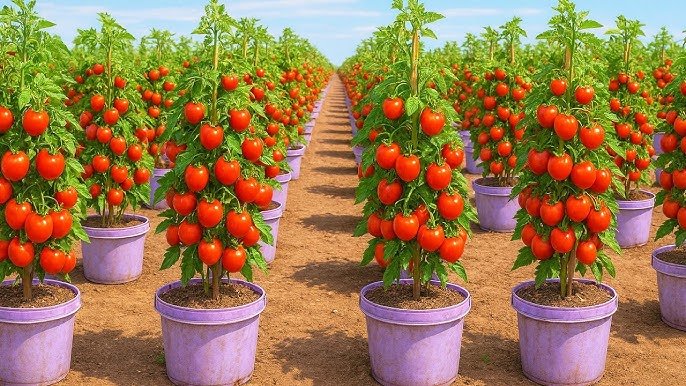
Tomatoes are sun-loving, so choose:
- A sunny balcony
- A south-facing window
- A bright backyard space
- Under a grow light if indoors
You need 6–8 hours of light daily for best results.
If sunlight is limited, use affordable LED grow lights.
💧 Watering: The Magic of Hydroponics
Unlike soil, you don’t water daily.
Instead:
- Check water level every 7–10 days
- Add more nutrient solution when needed
- Never let roots fully dry out
- Keep the solution oxygenated (shaking the container helps!)
Hydroponics ensures consistent moisture — tomatoes love this!
🧪 Feeding Your Tomatoes
Tomatoes are heavy feeders.
Give them:
- High-nitrogen nutrients during early growth
- High-phosphorus and potassium during flowering and fruiting
If you want organic options, use:
- Compost tea
- Seaweed extract
- Banana peel fertilizer (liquid)
- Fish emulsion
Add these to water in small doses so roots don’t burn.
🌼 Pollination Tips for Big Tomato Harvests
Indoor hydroponic tomatoes need a little help with pollination.
Try:
- Gently shaking the plant
- Using a small fan
- Brushing flowers with a soft paintbrush
This increases fruit set dramatically.
🪴 Training Tomatoes for Vertical Growth
Hydroponic tomatoes grow fast — support them early.
Use:
- Bamboo sticks
- Soft strings
- Wire trellis
- Tomato cages
Pinch off suckers (side shoots) to promote healthy fruits and stronger stems.
🍅 Best Tomato Varieties for Hydroponics
Choose compact or high-yield varieties:
✔ Cherry Tomatoes
- Sweet 100
- Red Cherry
- Sungold
- Tiny Tim
✔ Medium Varieties
- Roma
- Celebrity
- Better Boy
✔ Indoor Varieties
- Patio
- Micro Tom
- Baby Boomer
These perform brilliantly in small hydroponic setups.
🐞 Pest & Disease Control — Naturally
Even hydroponic gardens can attract pests, though far fewer than soil.
Common pests:
- Aphids
- Whiteflies
- Spider mites
Simple organic solutions:
- Neem oil spray
- Soap water
- Sticky traps
- Good air circulation
Hydroponics eliminates problems like root rot from poor soil drainage.
🍽 When to Harvest Your Hydroponic Tomatoes
Tomatoes ripen faster in hydroponics!
Signs they’re ready:
- Vibrant red or orange color
- Firm but slightly soft texture
- Easy to twist off the vine
Cherry tomatoes may produce within 45–60 days, while larger varieties take 70–90 days.
🌟 Benefits of Using Recycled Containers
Using recycled materials doesn’t just save money — it’s environmentally friendly.
✔ Reduces plastic waste
✔ Turns trash into productive growing systems
✔ Makes gardening accessible to everyone
✔ Perfect for low-budget or beginner gardeners
✔ Works indoors or outdoors
You can scale up easily — add more containers to expand your hydroponic farm!
🌱 Common Mistakes to Avoid
Avoid these issues for healthy hydroponic tomatoes:
❌ Too much nutrient solution
This can burn roots.
❌ Transparent containers
Light leads to algae growth.
❌ Using garden soil
Hydroponics requires clean water and nutrient mix.
❌ Poor ventilation
Increases pest risk.
❌ No support structure
Tomatoes grow tall and can topple without help.
🌈 Conclusion: Grow Big, Juicy Tomatoes Anywhere — Even in a Small Home!
You don’t need a garden…
You don’t need soil…
You don’t need expensive equipment…
With simple recycled containers and a basic hydroponic setup, anyone — even complete beginners — can grow delicious, nutrient-rich tomatoes at home. This method is clean, sustainable, cost-effective, and incredibly rewarding.
Whether you live in a small apartment in the US, a balcony flat in Europe, or a tiny studio anywhere in the world, hydroponic tomatoes give you the power to grow fresh food every day.
Start with one container, and soon you may end up with an entire indoor hydroponic tomato jungle!