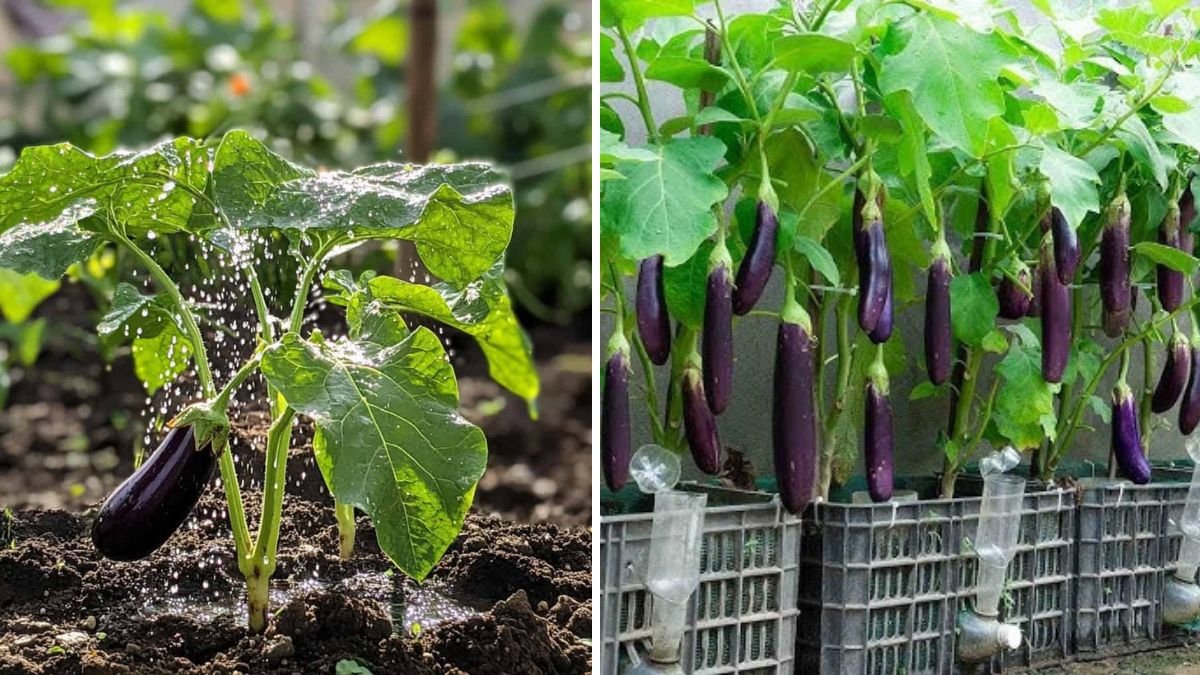
Eggplants—also known as brinjals—are among the most versatile and widely grown vegetables in home gardens. Whether grilled, fried, stuffed, or used in curries, eggplants bring rich flavor and nutrition to the kitchen. What many home gardeners don’t know is that growing eggplants from fruit is simple, fast, and incredibly rewarding. With just one healthy eggplant, you can start your own mini eggplant garden at home.
In this article, you’ll learn how to grow eggplant trees from fresh fruit, step-by-step—from seed extraction to planting, care, and harvesting. This method is perfect for beginners and experienced gardeners looking for an easy propagation technique.
🌿 Why Grow Eggplant at Home?
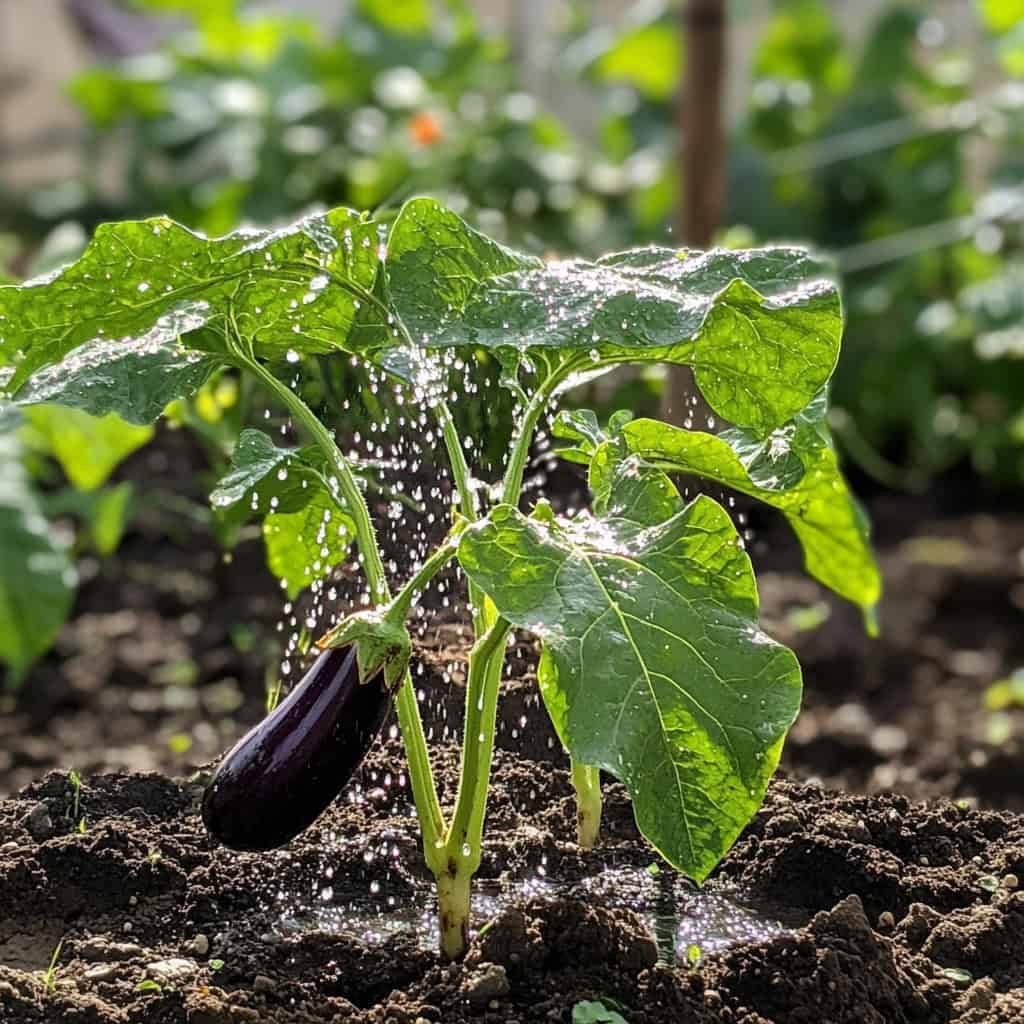
Before diving into the steps, here are some reasons why eggplant is one of the best vegetables to grow at home:
✔️ Fast Growing
Eggplants grow quickly and begin producing fruit within 3–4 months.
✔️ Suitable for Pots or Soil
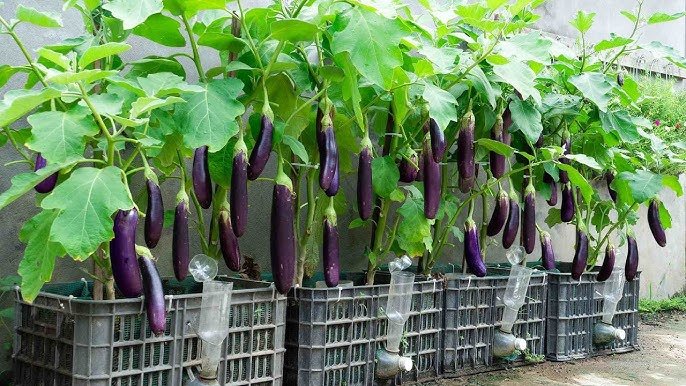
They thrive in the ground, raised beds, or even 12–15 inch pots.
✔️ High Yielding
One eggplant tree can produce 30–40 fruits in a single season with proper care.
✔️ Low Maintenance
Eggplants are hardy, adapt to different climates, and resist many pests if cared for properly.
🍆 Step 1: Choosing the Right Eggplant for Seed Extraction
To grow eggplants from fruit, your first step is selecting the right fruit:
✔️ Pick a Fully Ripe Eggplant
Look for a fruit that is:
- Overripe or turning yellowish/brownish
- Soft to the touch
- Large and slightly dull in color
Fully ripe eggplants contain mature seeds—perfect for planting.
✔️ Avoid Green, Shiny, or Very Fresh Eggplants
These usually contain immature seeds that will not germinate.
🍈 Step 2: Extracting the Seeds from the Fruit

Follow these easy steps:
- Cut the eggplant lengthwise using a clean knife.
- Scoop out the inner flesh and seeds using a spoon.
- Place the pulp in a bowl of water.
- Gently squeeze and massage the pulp with your hands to separate the seeds.
- Once seeds settle at the bottom, discard the pulp floating on top.
- Rinse the seeds 2–3 times.
- Spread the seeds on a clean cloth or tissue to dry for 24 hours.
Drying is important—it prevents fungal growth during germination.
🌿 Step 3: Preparing the Soil Mix
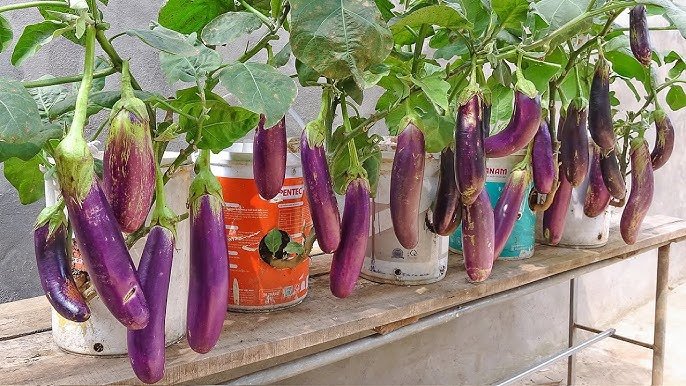
Eggplant seeds germinate best in light, porous soil. Use this balanced mix:
Ideal Soil Mix
- 40% garden soil
- 40% compost (cow dung compost, vermicompost, or leaf compost)
- 20% sand or cocopeat
Optional Additives
- Neem powder (for pest resistance)
- A handful of perlite or rice husk (for drainage)
Good soil ensures healthy seedlings and prevents root diseases.
🌱 Step 4: Sowing the Eggplant Seeds
✔️ Method 1: Seed Tray Germination (Best for Beginners)
- Fill small seedling trays with your soil mix.
- Place 1–2 seeds in each cell.
- Cover with a thin layer of soil (0.5 cm).
- Spray lightly with water.
- Keep in a warm, partially shaded place.
✔️ Method 2: Direct Sowing into Pots
- Fill a 12-inch pot with soil.
- Sprinkle seeds evenly.
- Cover lightly with soil.
- Water gently.
Germination Time
- Eggplant seeds take 7–14 days to germinate.
- Keep the soil moist (not soaked).
🌤 Step 5: Providing the Right Conditions for Growth
Eggplants love warmth and sunlight. After germination:
✔️ Sunlight
Place seedlings where they get 6–8 hours of direct sunlight daily.
✔️ Watering
- Water every 2–3 days.
- Keep the soil slightly moist.
- Avoid overwatering, which causes root rot.
✔️ Temperature
Eggplants grow best at 25–32°C.
✔️ Transplanting
When seedlings grow 4–6 true leaves (about 3–4 weeks old):
- Transplant them into larger pots or garden soil.
- Keep 2–3 feet spacing between each plant if planting in the ground.
🌿 Step 6: Caring for the Eggplant Tree
✔️ Fertilization
Eggplants are heavy feeders. Feed plants every 2–3 weeks:
- Compost tea
- Cow dung slurry
- Seaweed extract
- Banana peel fertilizer
- NPK-rich organic fertilizer
✔️ Mulching
Add dry leaves, grass, or rice husk around the base.
Mulching helps:
- Retain moisture
- Reduce weeds
- Improve soil fertility
✔️ Supporting the Plant
As the plant grows taller and fruits become heavier, add a stake or support stick to prevent bending or breaking.
🐛 Step 7: Preventing Pests and Diseases
Eggplant trees may face pests like aphids, whiteflies, or fruit borers.
Organic Solutions
- Neem oil spray: 5 ml per liter
- Garlic–chili spray
- Soap water spray for whiteflies
- Sticky yellow traps for flying pests
Spray weekly for prevention.
Common Diseases
- Leaf spot
- Powdery mildew
- Root rot (due to overwatering)
Use neem oil or reduce watering to control issues.
🍆 Step 8: Flowering and Fruit Development
Eggplants start flowering about 45–60 days after transplanting.
Tips to Boost Flowering
- Ensure full sunlight
- Add phosphorus-rich fertilizer (banana peel tea works great)
- Keep the plant well-watered
Pollination occurs naturally through wind or insects, but lightly shaking the plant once a week helps increase fruit set.
🍽 Step 9: Harvesting Your Eggplants
Your eggplant tree will be ready for its first harvest in:
80–100 days from seed sowing
Signs that eggplants are ready:
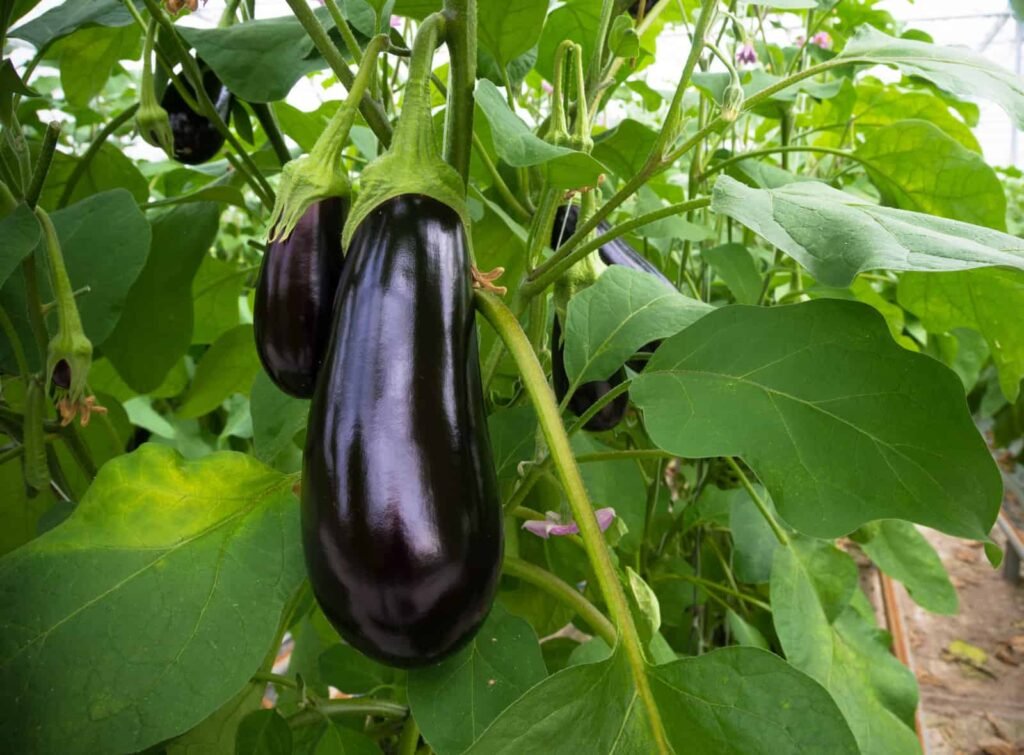
- Skin is bright and glossy
- Fruit has reached full size
- Slightly firm when pressed
- Seeds inside are soft and edible
Don’t let eggplants become overripe or dull—they turn bitter.
Use scissors or a knife to cut fruits gently.
🌳 Bonus Tip: Turning Your Eggplant Plant into a Long-Living Tree
Did you know eggplants can grow like small trees?
To create a tree-like structure:
- Choose the strongest main stem.
- Remove side shoots in early growth.
- Support the main trunk with a strong stick.
- Regularly prune lower branches.
This promotes:
- Better air flow
- Larger fruits
- Longer plant life
- Higher yield
With proper care, your eggplant “tree” can produce fruits for 12–18 months!
🌟 Final Thoughts
Growing eggplant trees from fruit is one of the easiest and most rewarding gardening experiences. With just one eggplant and simple household materials, you can start a thriving vegetable garden right at home.
This method is:
✔️ Cheap
✔️ Beginner-friendly
✔️ Fast
✔️ Highly productive
By following the steps—seed extraction, soil preparation, planting, care, and disease prevention—you can enjoy continuous harvests of fresh, organic eggplants from your own garden.
Whether you live in the city or countryside, have a backyard or just a balcony, you can grow delicious eggplants easily from fruit!