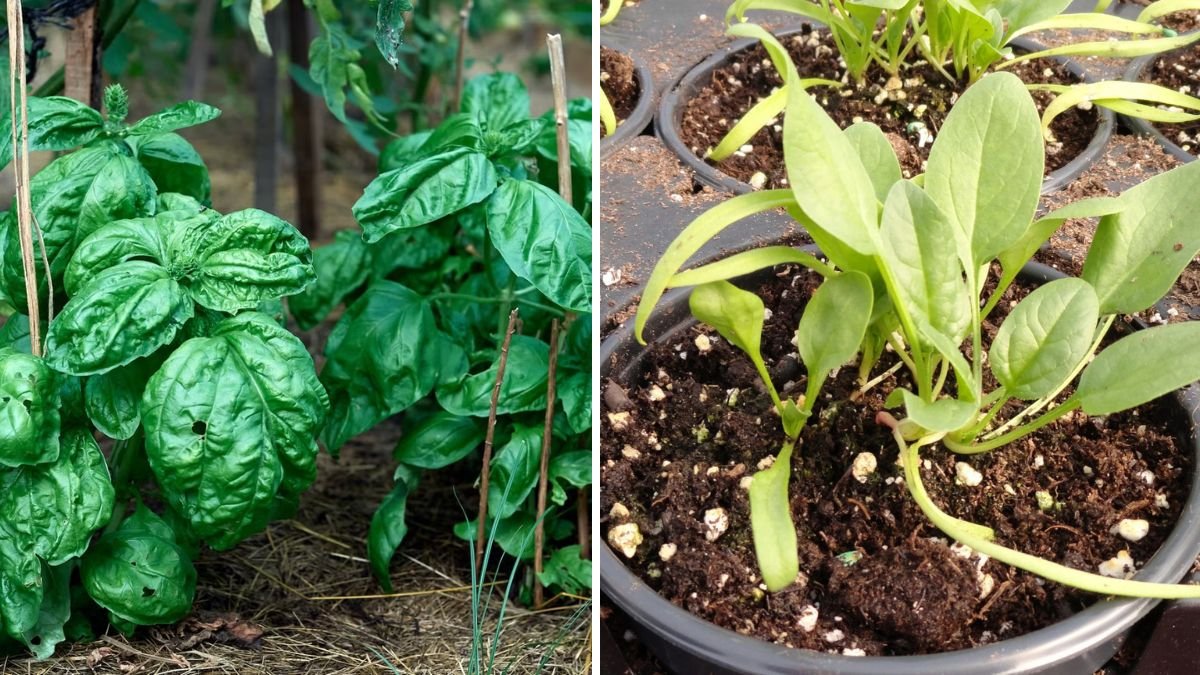
Spinach is one of the most nutritious and versatile leafy vegetables, packed with vitamins, minerals, and antioxidants. Home cultivation of spinach is not only easy and cost-effective, but it also ensures fresh, chemical-free greens for your family. Whether you have a small balcony, terrace, or backyard, you can grow healthy, vibrant spinach leaves with minimal effort.
This guide covers everything about spinach cultivation at home, including seed selection, soil preparation, planting, care, harvesting, and creative growing ideas.
🌿 Why Grow Spinach at Home?
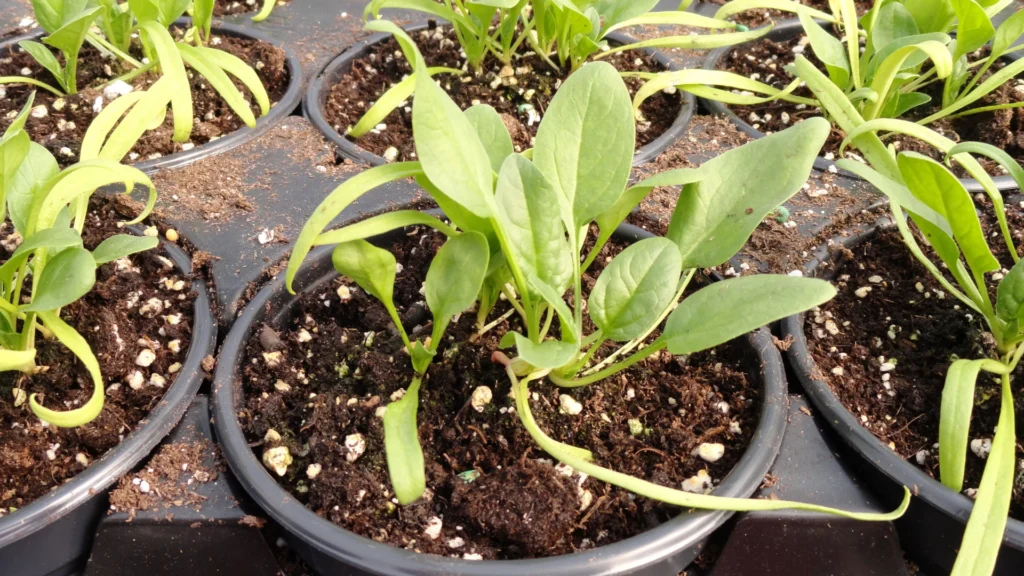
Growing spinach at home offers numerous advantages:
- Freshness and taste: Home-grown spinach is crisp, flavorful, and free from preservatives.
- Nutritional value: Rich in vitamins A, C, K, iron, calcium, and fiber, supporting overall health.
- Pesticide-free: Complete control over chemical use ensures safe consumption.
- Cost-effective: Growing your own greens is cheaper than buying from markets repeatedly.
- Quick harvest: Spinach grows rapidly, allowing multiple harvests in a short period.
With these benefits, spinach is a perfect choice for beginner and urban gardeners.
🪴 Selecting the Right Spinach Variety
Choose a variety based on growth speed, leaf type, and climate:
- Smooth-leaf varieties: Fast-growing, tender leaves ideal for salads.
- Savoy (curly) varieties: Thick, crinkled leaves suitable for cooking and soups.
- Baby spinach: Quick-growing, delicate leaves, perfect for fresh consumption.
- Local high-yield varieties: Adapted to your region for better growth and pest resistance.
Pro Tip: For container cultivation, smooth-leaf or baby spinach varieties are easier to manage and harvest.
🌱 Seed Selection and Preparation
- Choose healthy, disease-free seeds from a reliable source.
- Soak seeds in warm water for 6–8 hours to improve germination.
- Use a seed tray or small pots with seed-starting mix for initial growth.
- Keep the soil moist and warm (18–25°C) to promote germination.
- Seeds typically sprout within 7–14 days.
Pro Tip: Pre-soaking seeds increases germination rate and ensures uniform growth.
✂️ Preparing Soil for Spinach Cultivation
Spinach thrives in loose, fertile, and well-draining soil:
- Soil type: Sandy loam or loamy soil enriched with organic matter.
- pH level: Slightly acidic to neutral (6.0–7.5).
- Preparation: Dig 6–8 inches deep, remove stones, and mix compost or well-rotted manure.
- Moisture retention: Mulch the soil with dry leaves or straw to conserve water.
Pro Tip: Avoid heavy clay soil, as it can restrict root development and reduce yield.
🪴 Planting Spinach at Home
- Sowing method: Direct sow seeds in rows or small containers.
- Depth: Plant seeds ½ to 1 inch deep.
- Spacing: Maintain 2–4 inches between seeds, 8–10 inches between rows.
- Containers: Use pots, tubs, or grow bags at least 6–8 inches deep.
- Watering: Water gently after sowing to settle the soil and promote germination.
Pro Tip: Thin seedlings after 2–3 weeks to allow healthy growth and proper air circulation.
☀️ Sunlight and Temperature Requirements
- Sunlight: Spinach grows best in 4–6 hours of sunlight daily; partial shade works in hot climates.
- Temperature: Ideal 15–25°C; avoid extreme heat, which can cause bolting (premature flowering).
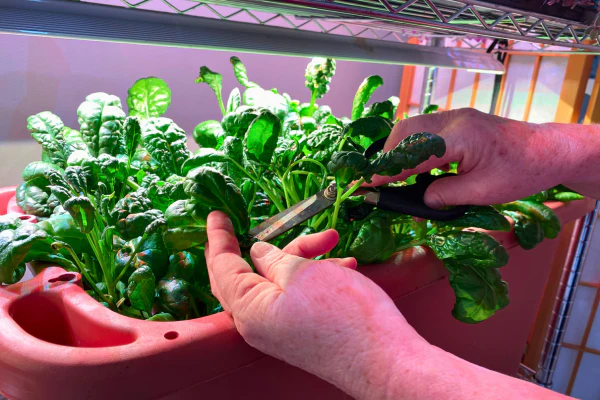
- Indoor cultivation: Use sunny windows or grow lights to ensure adequate light.
Pro Tip: Proper sunlight keeps leaves tender, dark green, and nutrient-rich.
💧 Watering and Fertilization
- Watering: Keep soil consistently moist but not waterlogged. Spinach has shallow roots, so frequent light watering is ideal.
- Fertilization: Apply organic fertilizers like compost, vermicompost, or liquid manure every 2–3 weeks.
- Nutrients: Nitrogen-rich fertilizers promote leafy growth, essential for spinach production.
Pro Tip: Mulching helps retain moisture and suppress weeds, reducing maintenance efforts.
🌿 Care and Maintenance
- Weeding: Remove weeds regularly to prevent nutrient competition.
- Pest management: Watch for aphids, leaf miners, or slugs; use organic sprays or neem oil.
- Disease control: Avoid overhead watering and ensure proper spacing to prevent fungal infections.
- Pruning: Regularly harvest outer leaves to promote new growth from the center.
Pro Tip: Minimal care is required if soil is fertile, moist, and well-draining.
🌸 Harvesting Spinach
- Timeframe: Spinach is ready for harvest 30–45 days after sowing.
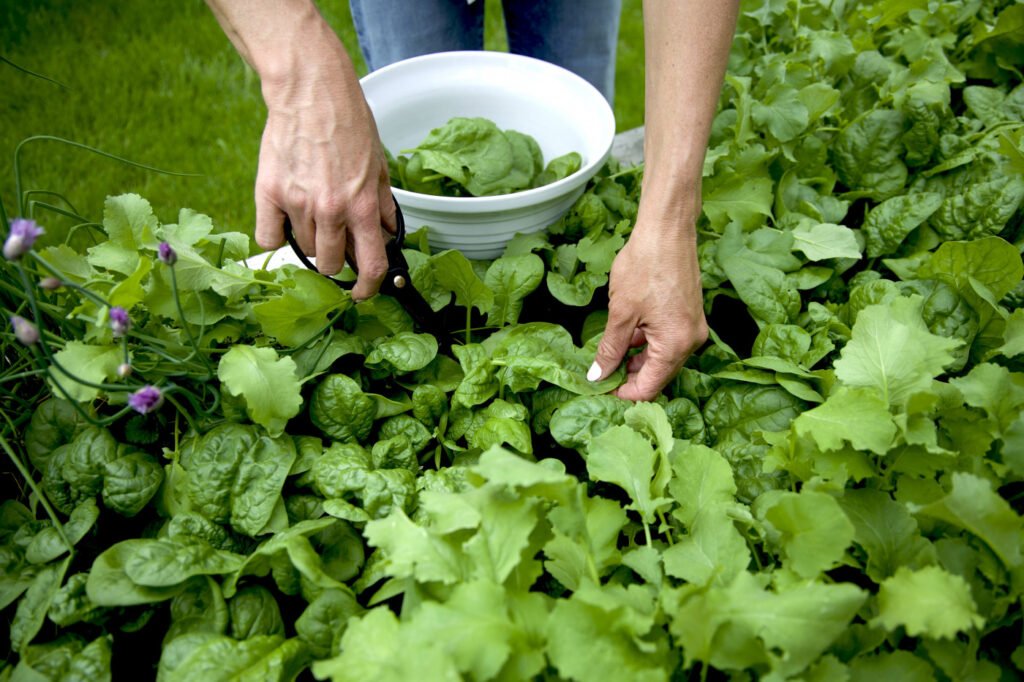
- Harvest method: Cut outer leaves with scissors, leaving the inner leaves to continue growing.
- Continuous harvest: Spinach produces multiple harvests when outer leaves are regularly trimmed.
- Storage: Store fresh leaves in a refrigerator for 3–5 days or use immediately in cooking.
Pro Tip: Harvest in the morning when leaves are crisp for maximum freshness.
🔁 Creative Home Gardening Ideas
1. Container Spinach Garden
- Grow in pots, tubs, or grow bags on balconies, terraces, or window sills.
- Space-efficient and ideal for urban gardening.
2. Vertical Gardening
- Use stacked containers or vertical planters to grow spinach in small spaces.
3. Mixed Planting
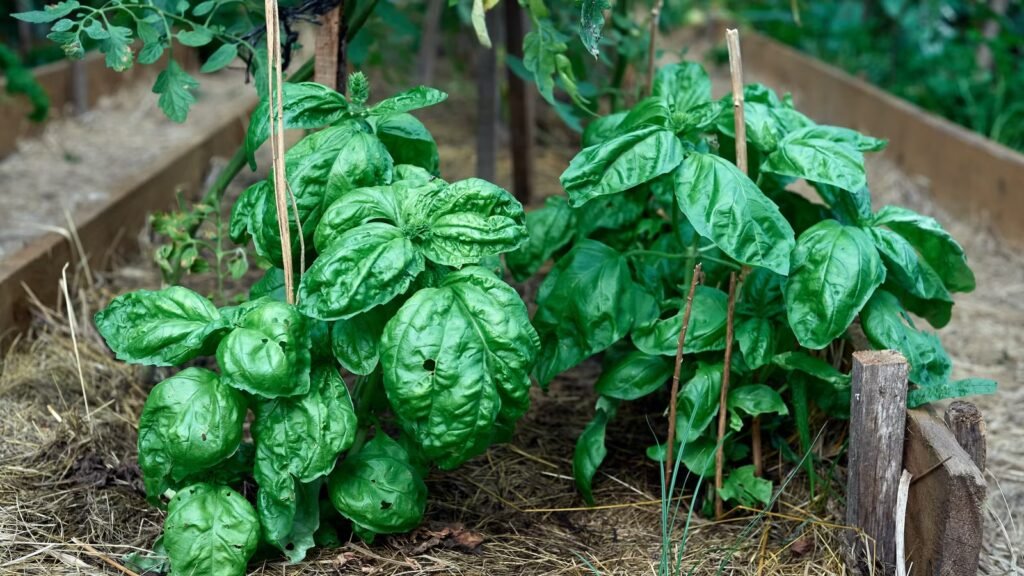
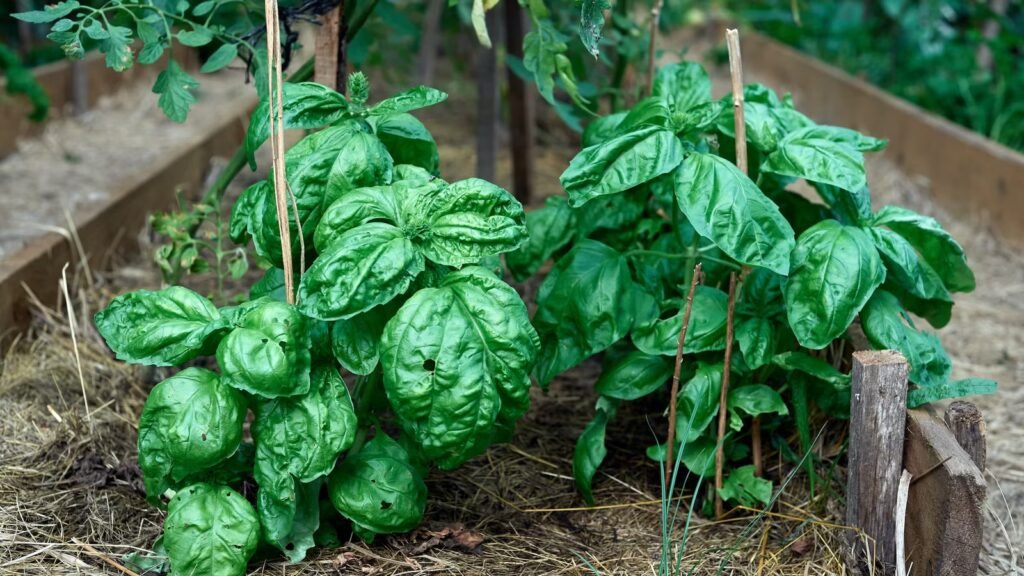
- Plant spinach alongside herbs like basil, coriander, or mint to maximize space and repel pests naturally.
4. Raised Beds
- Use raised beds to improve drainage and soil fertility for larger yields.
Pro Tip: Combining edible plants with decorative flowers can make your garden both functional and beautiful.
🌿 Benefits of Growing Spinach at Home
- Fresh and nutritious: Control over chemicals ensures healthy, safe greens.
- Cost-effective: Seeds are inexpensive and produce multiple harvests.
- Quick-growing: Ready for harvest in just 4–6 weeks.
- Space-efficient: Ideal for containers, tubs, and small gardens.
- Educational and therapeutic: Teaches gardening skills and promotes sustainable living.
Home-grown spinach ensures continuous supply of healthy greens for salads, cooking, and smoothies.
🌟 Final Thoughts
Spinach cultivation at home is easy, quick, and highly rewarding. With simple steps like seed selection, soil preparation, proper watering, and sunlight, you can enjoy fresh, tender, and nutrient-rich spinach year-round.
Whether grown in containers, tubs, or raised beds, spinach adds health, flavor, and greenery to your home. Start today and experience the joy of harvesting your own chemical-free, vibrant spinach leaves!