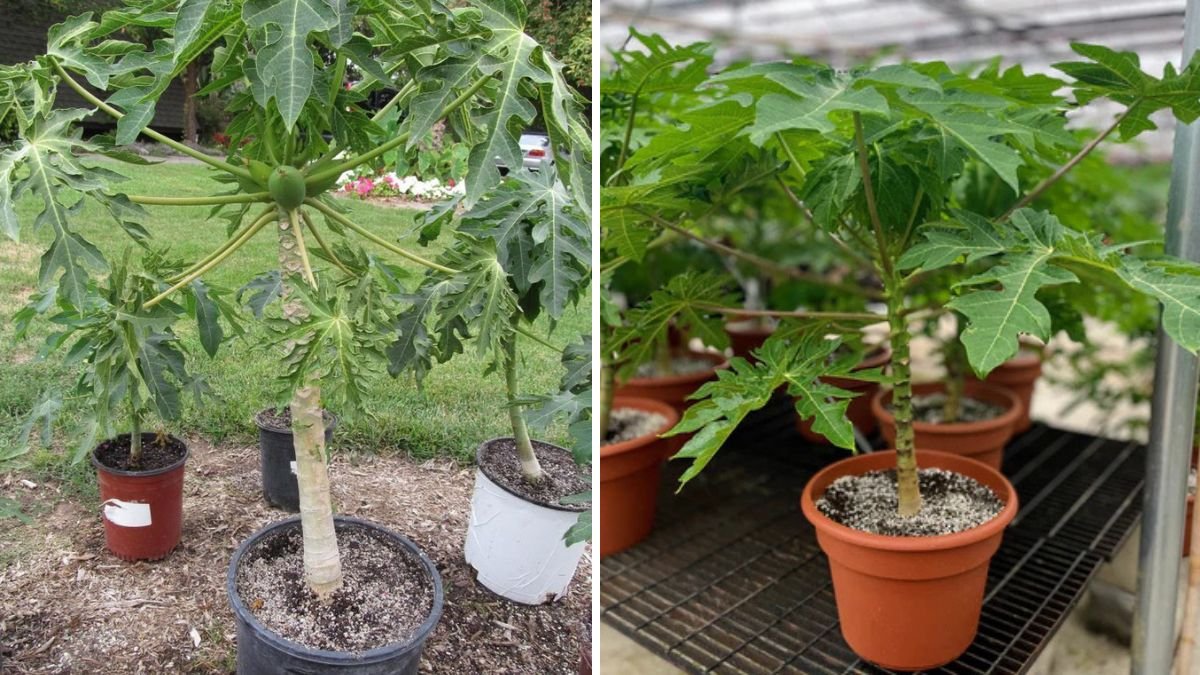
Papaya—known as Papiya in many Indian households—is one of the easiest and fastest-growing fruit trees you can cultivate right at home. Whether you have a backyard, terrace, or even a large balcony, papaya can thrive beautifully with minimal care. Its sweet, nutritious fruit, fast growth, and continuous yield make it a favorite among home gardeners.
If you want fresh, chemical-free papayas from your own home garden, this complete guide will teach you everything—from seed preparation to harvesting and organic care.
Let’s begin your journey to growing big, juicy, delicious papayas at home!
🌱 Why Grow Papaya at Home?
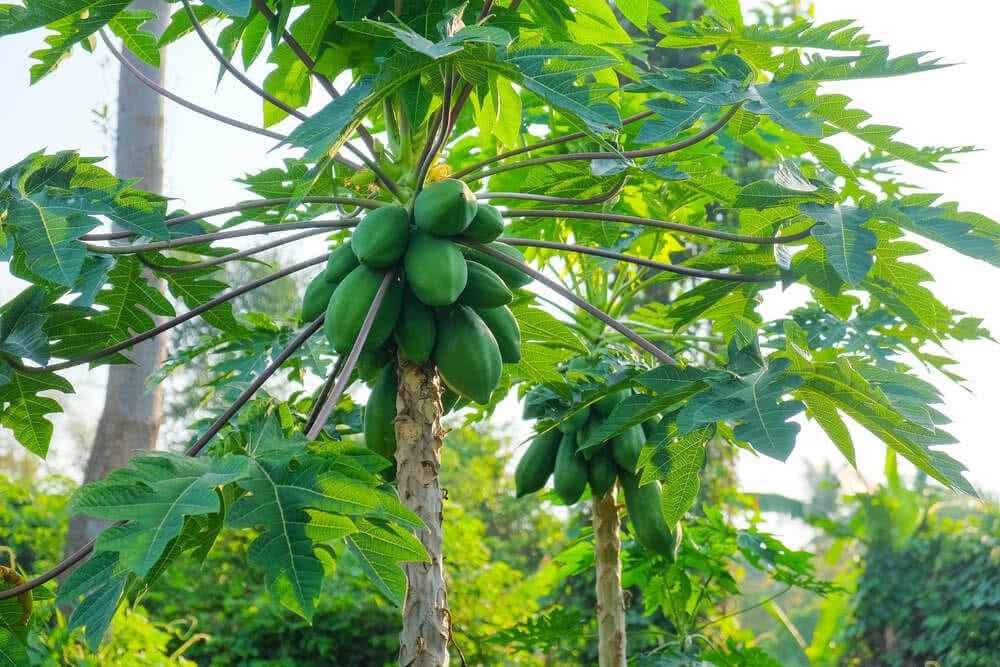
Papaya is not just a tasty fruit—it’s a powerhouse of nutrition.
Benefits:
✔ Rich in vitamin C & A
✔ Improves digestion
✔ Boosts immunity
✔ Good for skin & hair
✔ Helps weight loss
✔ Can be eaten raw, ripe, or used in dishes
Besides nutrition, papaya plants:
- Grow incredibly fast
- Bear fruits within 8–12 months
- Require very little maintenance
- Can be grown in pots or open soil
🌿 Step 1: Choosing the Right Place
Papaya loves:
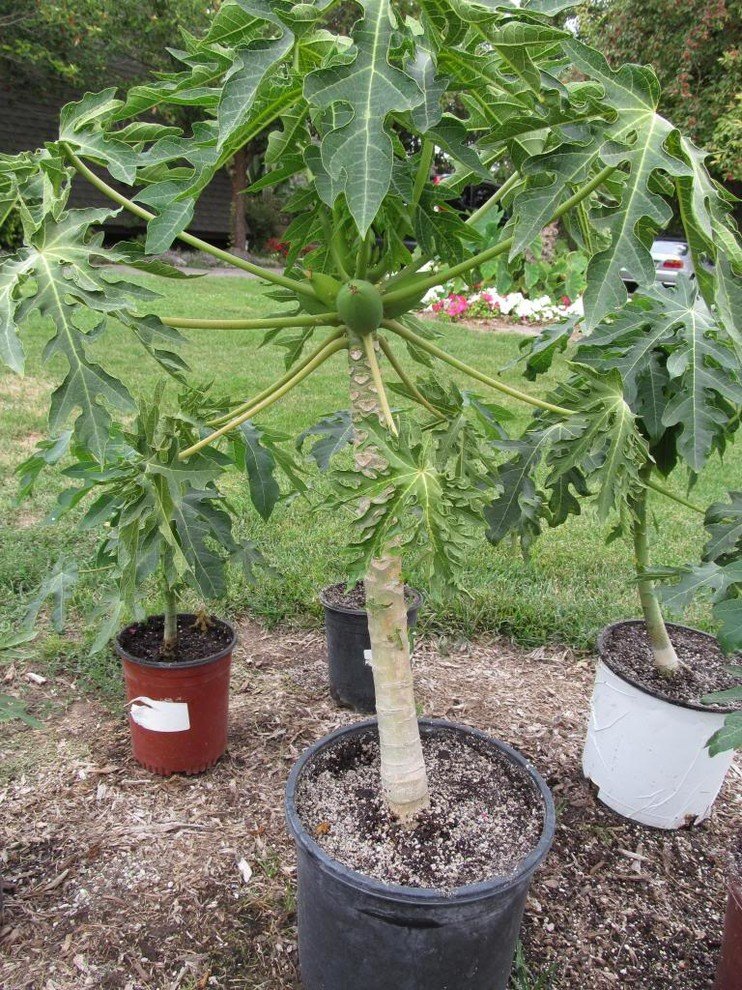
- Full sunlight (6–8 hours daily)
- Warm climate
- Open airflow
- Fertile, well-drained soil
Perfect places to grow at home:
- Terrace
- Balcony
- Backyard
- Kitchen garden
Just remember: more sunlight = bigger fruit.
🌱 Step 2: Best Pot or Grow Bag Size
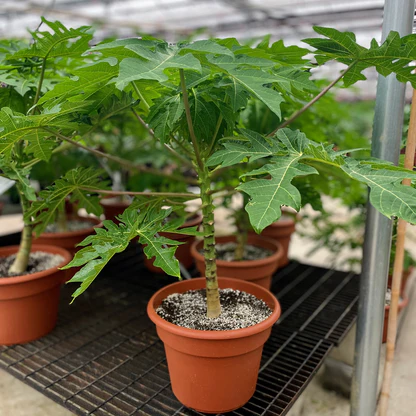
If you’re growing papaya in containers, size matters.
Minimum Pot Size:
- 18–24 inch (big) grow bag
- 20–24 inch pot
- Depth: 2 feet
Papaya roots grow long and wide; small pots will restrict growth.
🌿 Step 3: Perfect Soil Preparation
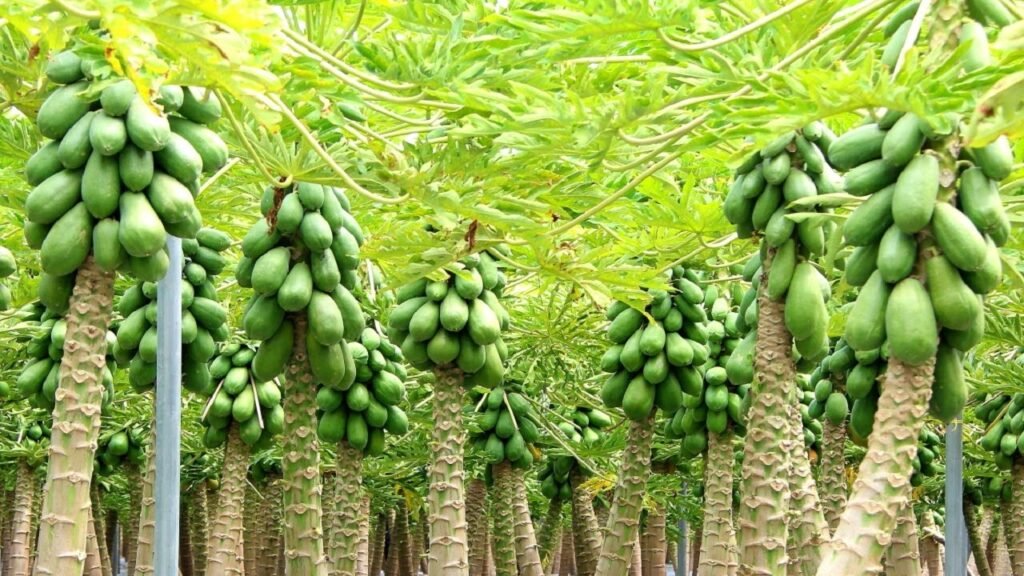
The secret to healthy papaya plants is light, fertile soil.
Ideal Soil Mix:
- 40% garden soil
- 40% compost (cow dung or vermicompost)
- 20% sand or cocopeat
Add:
- 1 handful neem cake
- 1 handful bone meal
This mixture boosts growth and prevents root rot.
🌱 Step 4: Seed Preparation
You can grow papaya from:
✔ Store-bought seeds
✔ Seeds extracted from ripe papaya
How to Prepare Seeds:
- Take seeds from a ripe papaya
- Wash and remove gel coating
- Dry for 1–2 hours
- Soak in water for 6–8 hours
- Sow 1 inch deep in the soil
Within 10–15 days, seedlings will appear.
How Many Seeds to Sow?
Sow 3–4 seeds per pot, then keep the healthiest plant later.
🌿 Step 5: Watering Needs

Papaya likes moisture but hates waterlogging.
Watering Rules:
- Water once every 2 days in summer
- Reduce watering in winter
- Never allow water to stand in the pot
- Use a deep-watering method
Always water early in the morning.
🌱 Step 6: Fertilizers for Fast Growth
Papaya is a heavy feeder—it grows fast, so it needs nutrients.
At Planting Time:
- Add 2 handfuls compost
- Mix neem cake
After 30 Days:
- Add 1 kg cow dung compost
- OR 2 handfuls vermicompost
Every 15 Days:
Use any of these:
- Banana peel fertilizer
- Seaweed liquid
- Mustard cake liquid
- Compost tea
During Flowering:
- Add bone meal
- Add banana peel powder
This strengthens blooming and fruit formation.
🌿 Step 7: Support and Protection
Papaya plants are tender when young.
Provide:
- Bamboo stick support
- Mulch (dry leaves)
- Shade net (in extreme heat)
Mulching helps retain moisture and reduces weeds.
🌱 Male & Female Flowers – Important Tip
Papaya plants may be:
- Male (only flowers)
- Female (fruits but needs pollination)
- Hermaphrodite (best type—fruits by itself)
If your plant doesn’t develop fruits, it may be male.
How to Identify Quickly?
- Male flowers grow in bunches
- Female flowers are bigger and single
- Hermaphrodite flowers have both male & female parts
Remove unwanted male plants to save space.
🌿 Step 8: Flowering and Fruit Setting
Papaya begins flowering within 4–6 months of planting.
To ensure good fruit setting:
✔ Avoid overwatering
✔ Keep the plant straight
✔ Give compost monthly
✔ Keep it in full sunlight
✔ Avoid root disturbance
Once fruits form, they grow fast and become heavy.
🌱 Step 9: Common Pests & Organic Solutions
Common Problems:
- Aphids
- Mealybugs
- Whiteflies
- Fungal infection
Organic Remedies:
✔ Neem oil spray (every 7 days)
✔ Soap + water spray for aphids
✔ Remove infected leaves
✔ Provide good airflow
✔ Avoid overwatering
Papaya plants respond well to natural treatments.
🌿 Step 10: Harvesting Time
You can harvest papayas in 8–12 months after planting.
Ripe fruit indicators:
- Skin turns yellowish
- Fruit becomes slightly soft
- Aromatic smell
Cut the fruit carefully; don’t pull or twist.
Tip:
Don’t let fruits overripe on the plant—they may fall.
🌱 Reducing the Height of the Papaya Tree
If growing on a balcony or terrace, control height by:
- Slight bending of the stem
- Cutting the top (only after fruiting starts)
This helps you harvest fruits easily.
🌿 Step 11: Tips for Maximum Papaya Yield
✔ Plant in full sunlight
✔ Use rich compost every 15 days
✔ Keep pot large
✔ Ensure good drainage
✔ Remove male plants
✔ Water regularly but lightly
✔ Avoid root disturbance
✔ Protect from strong winds
🌱 Diseases to Watch Out For
- Root Rot – due to overwatering
- Leaf Spot – fungal infection
- Yellow Leaves – nutrient deficiency
- Stunted Growth – small pot or poor soil
Quick Fix:
- Improve soil
- Add compost
- Reduce watering
- Add seaweed liquid
🌿 Step 12: Growing Papaya From Cuttings (Yes, It’s Possible!)
Though less common, papaya can also grow from stem cuttings.
How:
- Take 1 ft long stem
- Dip in rooting hormone
- Plant in moist soil
- Keep in shade
Rooting takes 3–4 weeks.
🌱 Health Benefits of Home-Grown Papaya
Fresh papaya is:
✔ Rich in fiber
✔ Reduces cholesterol
✔ Improves digestion
✔ Great for skin glow
✔ Good for eyes
✔ Helps build immunity
Growing it at home ensures it is chemical-free and fresh.
🌿 Final Words: Start Your Papaya Garden Today!
Papaya cultivation at home is simple, fast, and highly rewarding. With just a pot, some compost, and sunlight, you can enjoy sweet, juicy papayas throughout the year. Whether you’re a beginner or an experienced gardener, this plant will quickly become one of your favorites.
A single healthy papaya plant can give you dozens of fruits—enough for your entire family.
So start today, and enjoy your own homegrown, organic, delicious papayas!