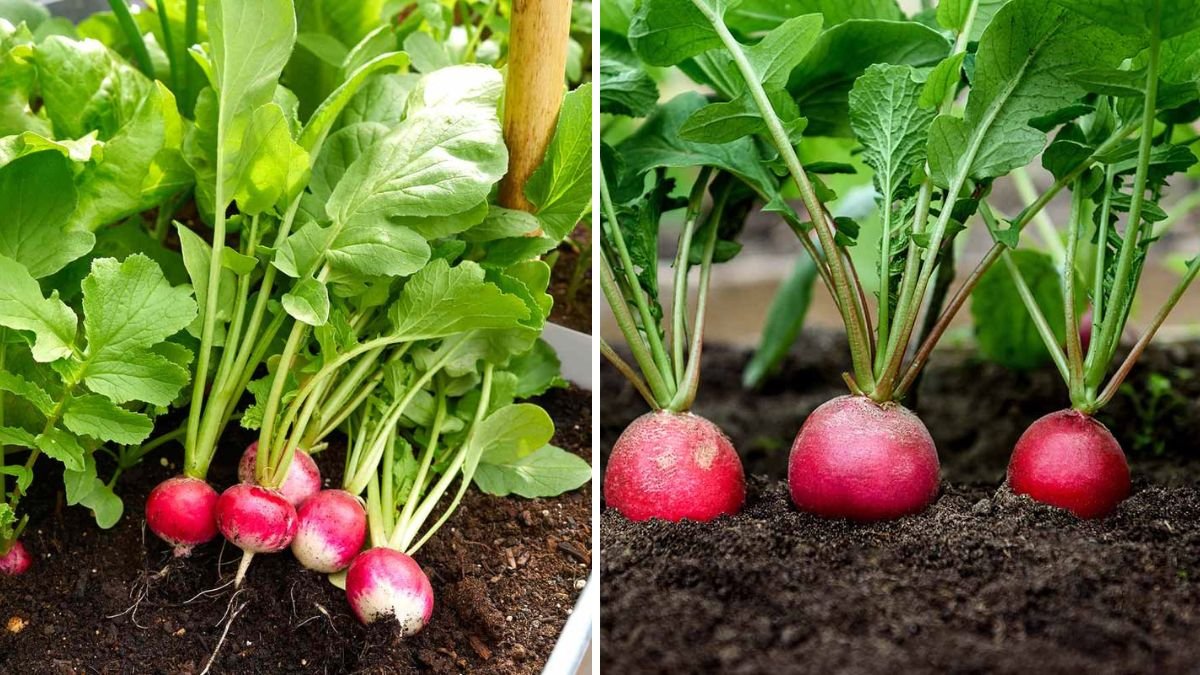
Radishes may be small, but don’t let their size fool you—they pack a powerful punch when it comes to flavor, nutrition, speed of growth, and garden versatility. Whether you have a giant backyard garden or a tiny balcony setup, radishes are one of the easiest, quickest, and most rewarding vegetables you can grow.
In this article, we’ll dive into why radishes are considered the perfect tiny garden vegetable, how to grow them step-by-step, common mistakes to avoid, and how to enjoy your crunchy harvest. Ready to turn a handful of seeds into a flourishing veggie crop? Let’s get growing!
🌿 Why Radishes Are the Perfect Tiny Garden Vegetable

1. They Grow Fast—Really Fast
Radishes are famous for their lightning-fast growth. Some varieties mature in just 25 days, making them one of the quickest vegetables to harvest. If you’re a beginner or an impatient gardener, radishes give you instant results.
2. Perfect for Small Spaces
Whether in pots, raised beds, grow bags, or even narrow garden borders, radishes thrive with minimal room. Their roots don’t expand deeply, so they’re perfect for urban gardeners with limited soil depth.
3. Minimal Maintenance
Radishes don’t demand much:
- Light watering
- Loose soil
- Plenty of sunlight
That’s about it! No complicated fertilizing or pruning.
4. They Improve Your Garden Soil
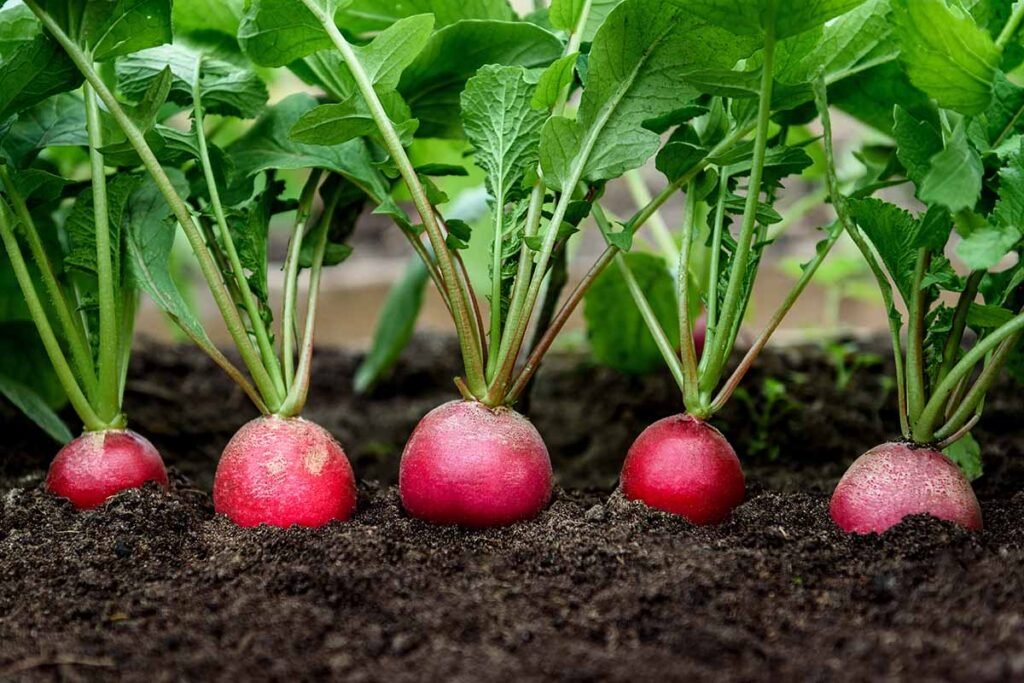
Radishes act as natural soil aerators. As their roots grow and loosen the soil, they create channels that help:
- Water infiltrate deeper
- Organic matter break down faster
- Other crop roots grow more efficiently
They are especially useful for gardeners dealing with compacted soil.
5. Nutrient-Rich and Delicious
Radishes add a refreshing zing to salads, sandwiches, and soups. They’re loaded with:
- Vitamin C
- Fiber
- Antioxidants
- Potassium
- Hydration (they’re 95% water!)
Plus, radish greens are edible and highly nutritious.
🌞 Best Varieties of Radishes for Any Garden
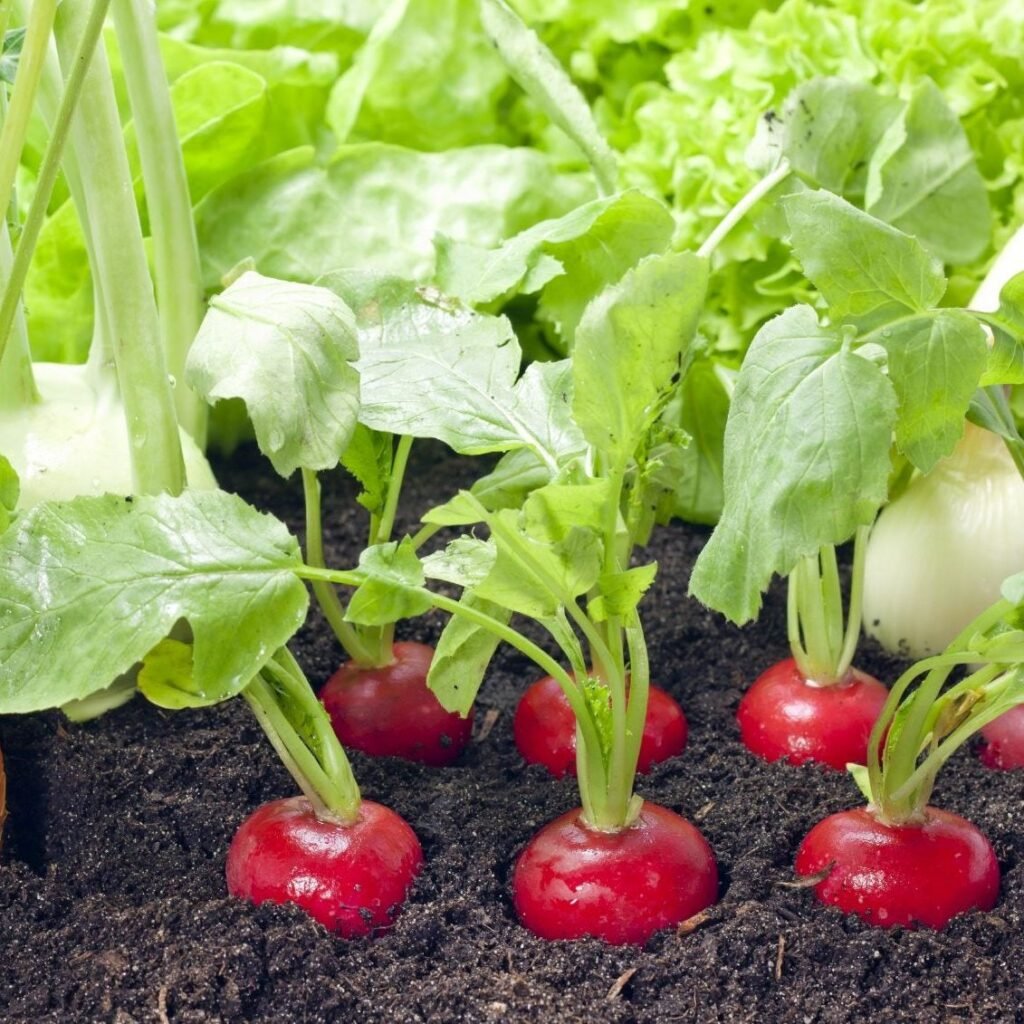
✔ Cherry Belle – Classic round, bright red, mild flavor
✔ French Breakfast – Long, crisp, and slightly sweet
✔ Daikon – Large Asian radish, great for pickling and soups
✔ Easter Egg Mix – Colorful varieties in one seed pack
✔ Watermelon Radish – Stunning pink interior
Choose according to taste, looks, or speed—every variety grows beautifully in small spaces.
🌱 Step-by-Step Guide: How to Grow Radishes From Seed
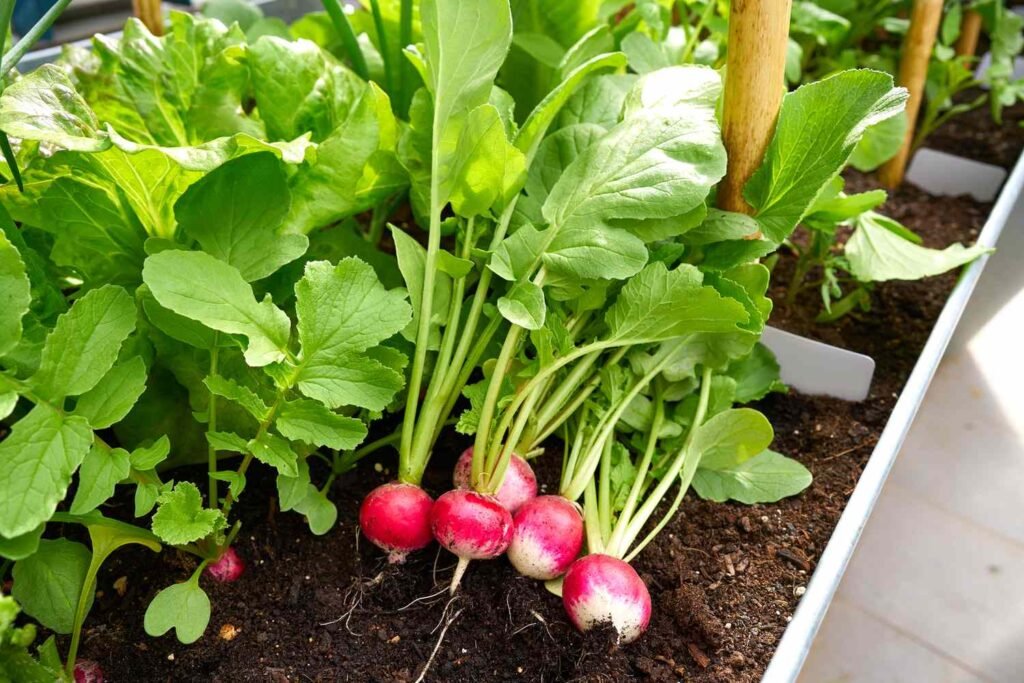
1. Choose the Right Location
Radishes love sunlight.
Provide 6 hours of direct sun daily for best results.
2. Prepare the Soil
Radishes need loose, well-drained soil.
Before planting:
- Loosen soil to 6–8 inches
- Mix in compost
- Remove stones or clumps
- Avoid nitrogen-heavy fertilizers (they encourage leaf growth, not roots)
Ideal soil pH: 6.0–7.0
3. Plant the Seeds
Sow radish seeds directly in the garden; they dislike transplanting.
Plant depth: 1 cm (0.5 inch)
Spacing:
- Between seeds: 2–3 cm
- Between rows: 15–20 cm
Seeds germinate in 3–7 days, even faster in warm conditions.
4. Thin Seedlings
Once the plants are 3–4 cm tall, thin them to 5 cm apart to avoid overcrowding.
Overcrowded radishes grow leafy tops with tiny, undeveloped roots.
5. Water Regularly
Keep the soil consistently moist.
If the soil dries out:
- Radishes become spicy
- Roots crack or turn hollow
Water lightly every day or every other day.
6. Watch for Pests
Though radishes are low-maintenance, keep an eye out for:
- Aphids
- Flea beetles
- Slugs
Natural remedies:
- Neem oil spray
- Mulching
- Companion planting with basil, mint, or marigolds
7. Harvest at the Right Time
Most radishes are ready in 25–35 days.
Harvest when:
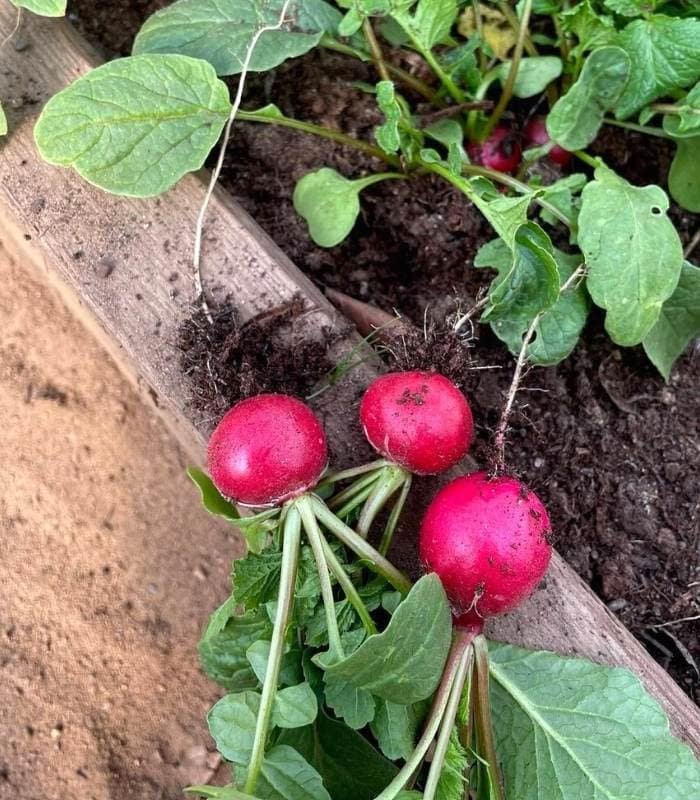
- Bulbs are firm
- Size matches the variety
- Tops look healthy
Don’t wait too long—overgrown radishes become woody and bitter.
🌿 Growing Radishes in Pots or Containers
Radishes excel in containers.
Container requirements:
- Depth: 6–8 inches
- Width: any size
- Drainage holes are essential
Best soil mix:
- 70% garden soil
- 20% compost
- 10% sand or coco peat
Container gardening allows you to grow radishes year-round, even on a balcony or sunny window.
🌱 Companion Plants That Love Growing With Radishes
Radishes grow well with:
- Carrots
- Lettuce
- Beans
- Spinach
- Peas
- Cucumbers
What to avoid planting near radishes:
- Potatoes
- Hyssop
Radishes also act as a natural pest trap for cucumbers and squash—making them excellent companions in organic gardens.
🌾 Common Mistakes to Avoid When Growing Radishes
❌ Overwatering
Too much water can lead to root rot.
❌ Planting Too Close Together
This results in thin, elongated radishes.
❌ Too Much Shade
Lack of direct sunlight leads to leafy tops but no root formation.
❌ Using Nitrogen-Rich Fertilizers
This promotes leaf growth instead of bulb growth.
❌ Delaying Harvest
Radishes become tough, hollow, and pungent when left in the ground too long.
🍽 Enjoying Your Radish Harvest
Radishes can be eaten in many delicious ways:
- Slice raw for salads
- Ferment into kimchi-style pickles
- Add to sandwiches for crunch
- Roast for a sweet, mellow flavor
- Add greens to soups or sauté them
For a refreshing snack, mix sliced radishes with lemon juice, black salt, and pepper.
🌟 Final Thoughts: Small Seeds, Big Rewards
Radishes prove that size doesn’t determine impact. These tiny vegetables bring color, nutrition, speed, and joy to any garden—whether you’re growing in a spacious yard or a container on your balcony.
If you’re looking for a vegetable that grows quickly, demands little effort, and delivers big results, radishes are the perfect choice. Plant them once, and you’ll find yourself growing them again and again!
Would you like me to create another article, thumbnail text, or YouTube description for this topic?