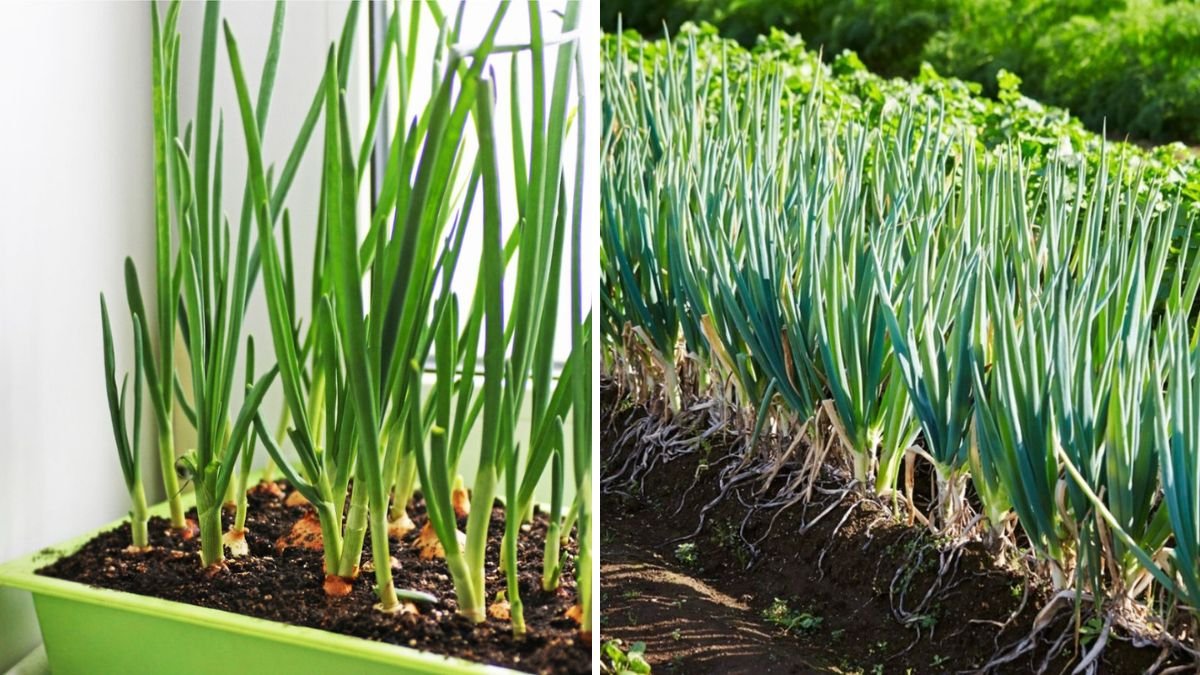
Onions are a staple in kitchens worldwide, adding flavor, aroma, and nutrition to countless dishes. But did you know that growing onions at home from seeds is not only possible but surprisingly easy? With a little knowledge, patience, and care, you can cultivate fresh, healthy onions right in your garden, balcony, or even in containers.
Growing onions from seeds may take slightly longer than using sets or bulbs, but the rewards are significant: better varieties, stronger plants, and the satisfaction of nurturing your food from scratch. This complete guide will walk you through each step, from seed selection to harvesting, ensuring a bountiful onion harvest at home.
🌱 Why Grow Onions from Seeds?
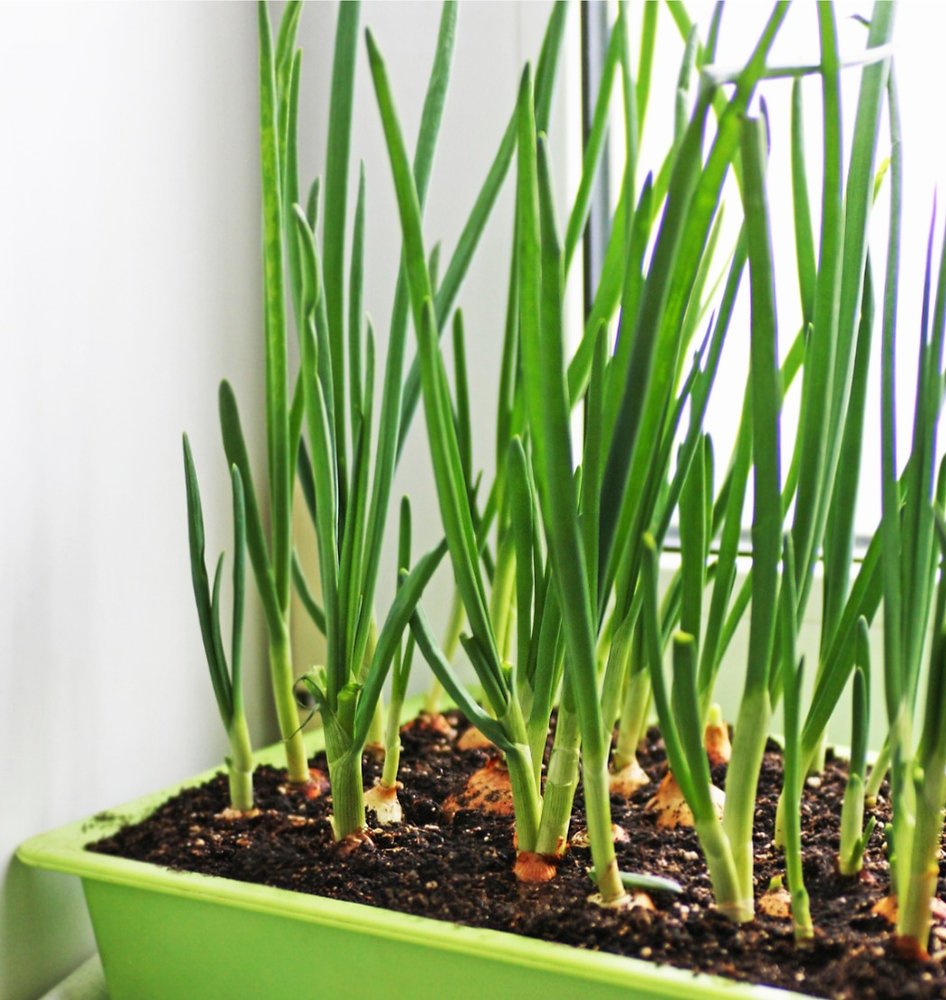
There are several advantages to growing onions from seeds:
1. Wider Variety Options
Seeds allow you to choose from hundreds of onion varieties, including red, white, yellow, and specialty sweet onions.
2. Cost-Effective
Seeds are inexpensive and can produce dozens of onions from a single packet.
3. Healthier Plants
Starting from seeds often produces stronger, disease-resistant plants compared to sets.
4. Full Control Over Growth
You decide the growing conditions, spacing, and timing, ensuring optimal plant health.
5. Satisfaction and Learning
Growing onions from seeds provides a rewarding learning experience and a deep connection to your food.
🌿 Step 1: Choosing the Right Onion Seeds
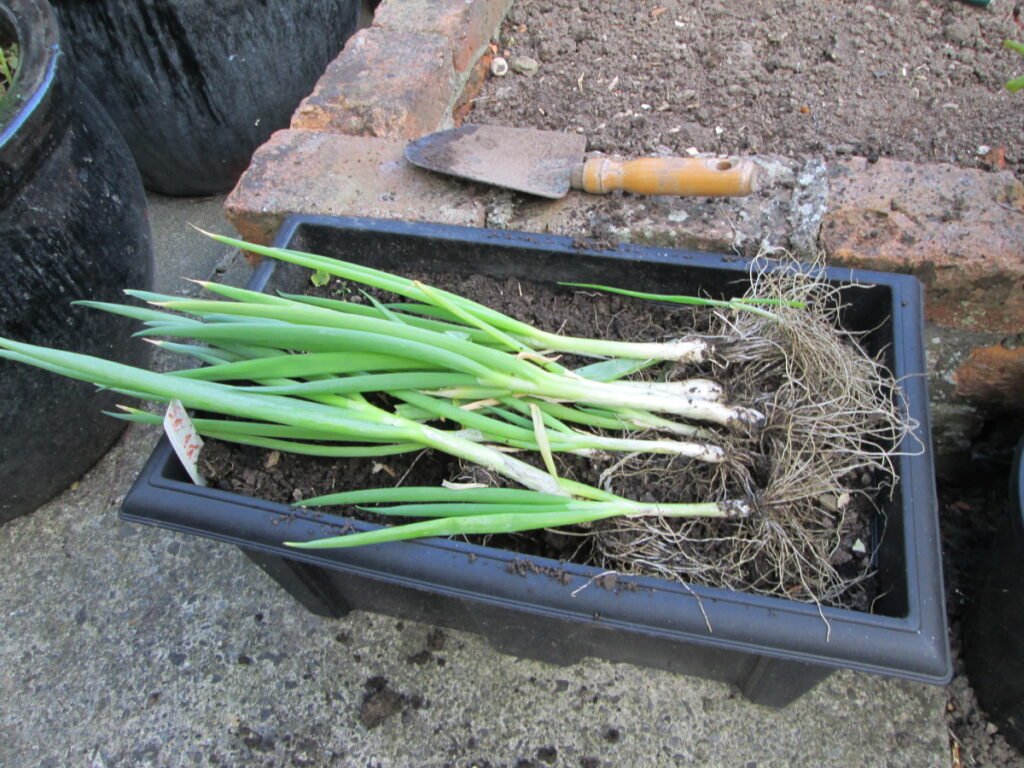
The first step in a successful onion crop is selecting high-quality seeds.
Popular Onion Varieties:
- Red Onions: Mild flavor, ideal for salads.
- Yellow Onions: Classic cooking onions, versatile in dishes.
- White Onions: Sharp flavor, used in salsas and stir-fries.
- Sweet Onions (Walla Walla, Vidalia): Great for roasting or raw consumption.
Tips for Selecting Seeds:
- Purchase from reputable suppliers.
- Choose seeds suited to your local climate.
- Opt for disease-resistant varieties for a higher success rate.
🌱 Step 2: Preparing the Seed Tray or Container
Onions require a warm, moist environment for germination.
Materials Needed:
- Seed trays, shallow containers, or small pots
- Seed-starting soil mix
- Water spray bottle
Steps:
- Fill the tray with light, well-draining soil.
- Moisten the soil gently before sowing.
- Ensure the container has drainage holes to prevent waterlogging.
A healthy start in the seed tray sets the stage for vigorous growth.
🌿 Step 3: Sowing Onion Seeds
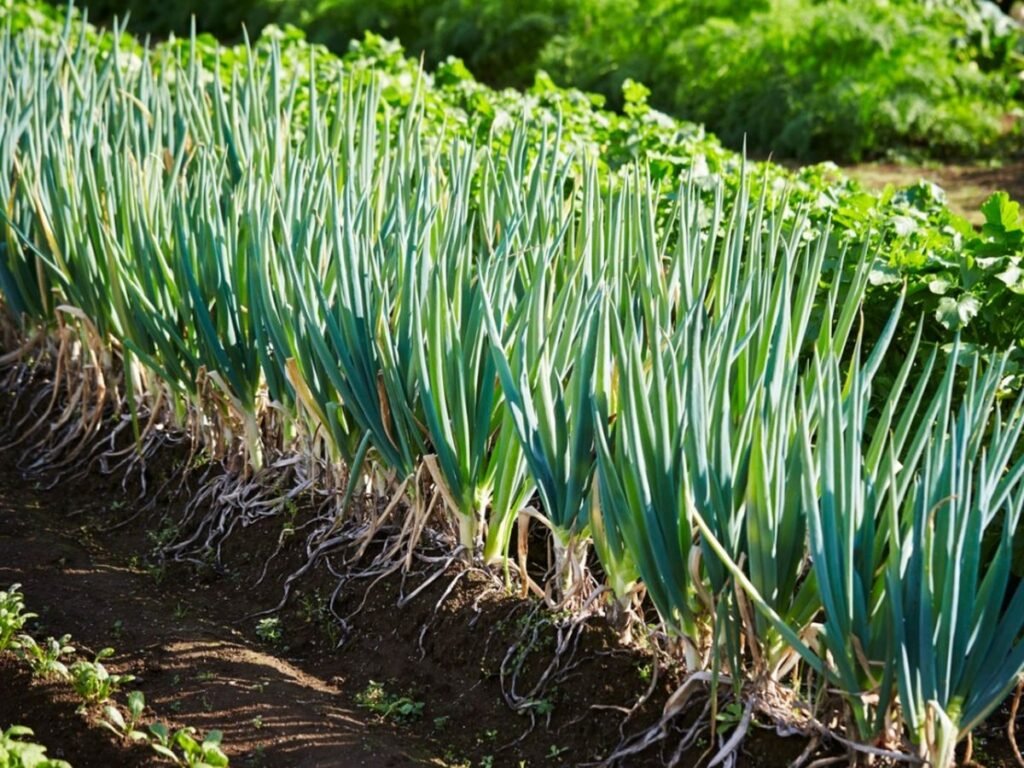
Onion seeds are tiny and require careful handling.
Sowing Instructions:
- Sprinkle seeds evenly over the soil surface.
- Cover lightly with 0.5–1 cm of soil or vermiculite.
- Mist gently with water to avoid displacing the seeds.
- Maintain temperature between 20–25°C (68–77°F) for germination.
Germination Time:
Onion seeds typically germinate within 7–14 days, depending on the variety and environmental conditions.
🌱 Step 4: Caring for Seedlings
Once seeds germinate, seedlings need proper care to grow strong.
Light:
- Provide 12–14 hours of sunlight daily or use a grow light.
- Rotate trays to ensure even growth.
Watering:
- Keep the soil consistently moist but not soggy.
- Mist seedlings to prevent drying.
Thinning:
- When seedlings reach 5–7 cm, thin them to 1–2 cm apart to prevent overcrowding.
- Stronger seedlings thrive when given room to grow.
🌿 Step 5: Hardening Off Seedlings
Before transplanting outdoors, seedlings need to acclimate to external conditions:
- Gradually expose seedlings to outdoor sunlight for 1–2 hours per day, increasing daily.
- Protect from strong winds and extreme temperatures.
- Continue this process for 7–10 days until seedlings are strong enough for transplanting.
Hardening off ensures seedlings survive and flourish in their new environment.
🌱 Step 6: Preparing the Garden Bed or Containers
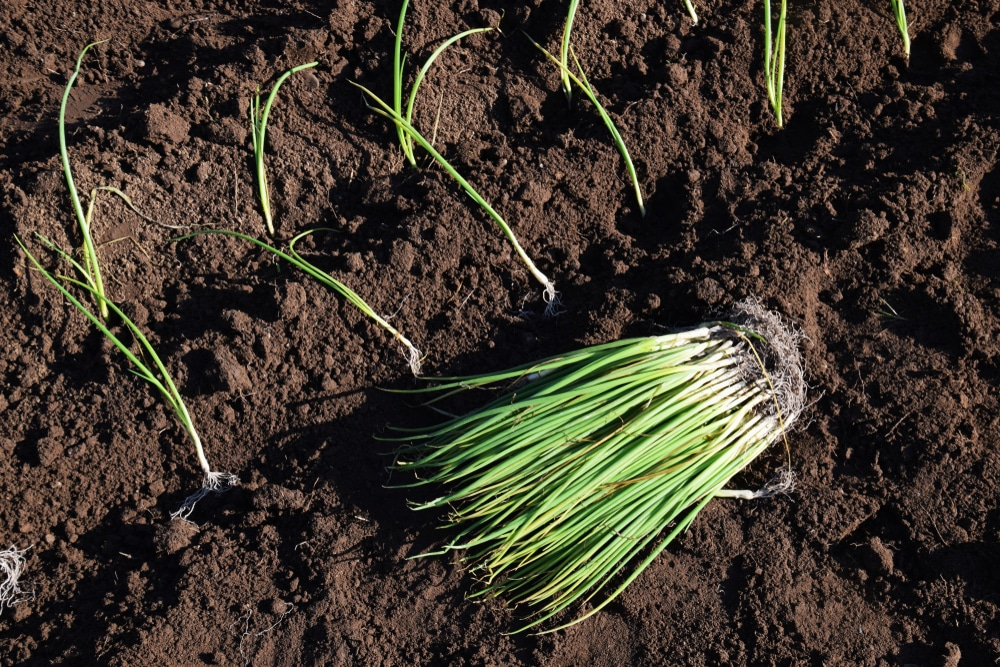
Onions grow well in fertile, well-draining soil with plenty of sunlight.
Soil Preparation:
- Loamy, nutrient-rich soil with pH 6.0–7.0
- Add compost or well-rotted manure for extra nutrients
- Loosen the soil to a depth of 15–20 cm to encourage root growth
Planting Space:
- Rows: 10–15 cm apart
- Between plants: 5–10 cm
- For containers, choose wide, shallow pots to accommodate multiple plants.
🌿 Step 7: Transplanting Seedlings
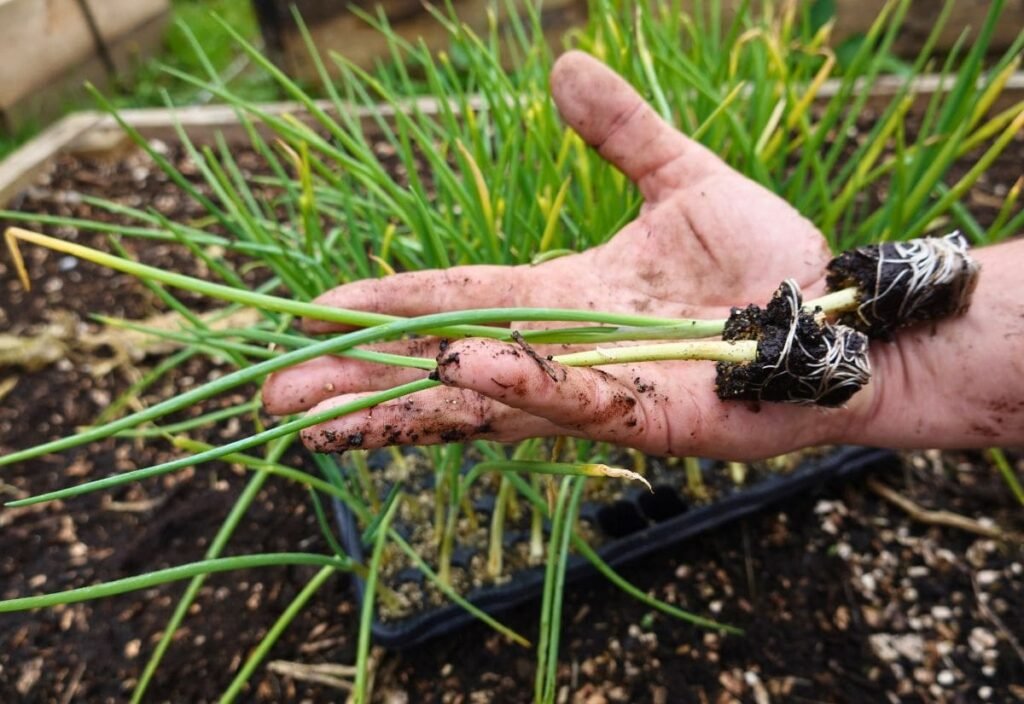
When seedlings reach 10–15 cm, they are ready for transplanting:
- Dig small holes or furrows in the prepared soil.
- Gently remove seedlings from trays, keeping roots intact.
- Place each seedling in a hole and cover the roots with soil.
- Water gently to help them settle.
Proper spacing ensures bulbs have enough room to develop fully.
🌱 Step 8: Watering and Fertilizing Onions
Onions require consistent moisture and regular feeding:
Watering:
- Keep soil evenly moist, especially during bulb formation.
- Avoid overwatering to prevent rot.
Fertilizing:
- Use nitrogen-rich fertilizers during early growth for leafy development.
- Switch to potassium and phosphorus fertilizers during bulb formation.
- Organic options: compost tea, vermicompost, or fish emulsion.
🌿 Step 9: Mulching and Weed Control
Mulching helps retain soil moisture, prevent weed growth, and regulate temperature:
- Use straw, dry leaves, or grass clippings.
- Apply a 2–3 cm layer around the base of plants.
- Remove weeds regularly to reduce competition for nutrients.
🌱 Step 10: Common Problems and Solutions
1. Yellowing Leaves
- Cause: Nitrogen deficiency or water stress
- Solution: Fertilize and adjust watering
2. Onion Thrips or Pests
- Cause: Small insects feeding on leaves
- Solution: Spray neem oil or insecticidal soap
3. Bolting (Premature Flowering)
- Cause: Stress or temperature fluctuations
- Solution: Maintain consistent care, and plant appropriate varieties
4. Small or Misshapen Bulbs
- Cause: Overcrowding or insufficient nutrients
- Solution: Thin plants and provide adequate fertilization
🌿 Step 11: Harvesting Onions
Onions grown from seeds take 90–120 days to mature, depending on variety:
Harvest Signs:
- Foliage turns yellow and begins to fall over
- Bulbs are firm and have reached desired size
Harvesting Method:
- Loosen the soil gently around bulbs.
- Pull onions carefully to avoid damaging them.
- Cure onions by drying in a well-ventilated, shaded area for 2–3 weeks.
Cured onions can be stored for several months in a cool, dry place.
🌱 Tips for Maximum Yield
- Choose disease-resistant varieties for higher success.
- Rotate crops annually to prevent soil-borne diseases.
- Use companion planting with carrots, beets, or lettuce.
- Keep soil moist and consistently fertilized.
- Avoid cutting leaves unnecessarily, as they help feed the developing bulbs.
🌿 Final Thoughts
Growing onions from seeds is a rewarding and practical way to enjoy fresh, homegrown vegetables. With proper care, attention, and patience, you can cultivate a rich harvest of flavorful onions that surpass store-bought quality.
From seed selection and soil preparation to transplanting, watering, and harvesting, every step contributes to strong, healthy plants and large, delicious bulbs. Whether you have a garden, balcony, or containers, growing onions from seeds is an easy and satisfying gardening project for beginners and experienced gardeners alike.