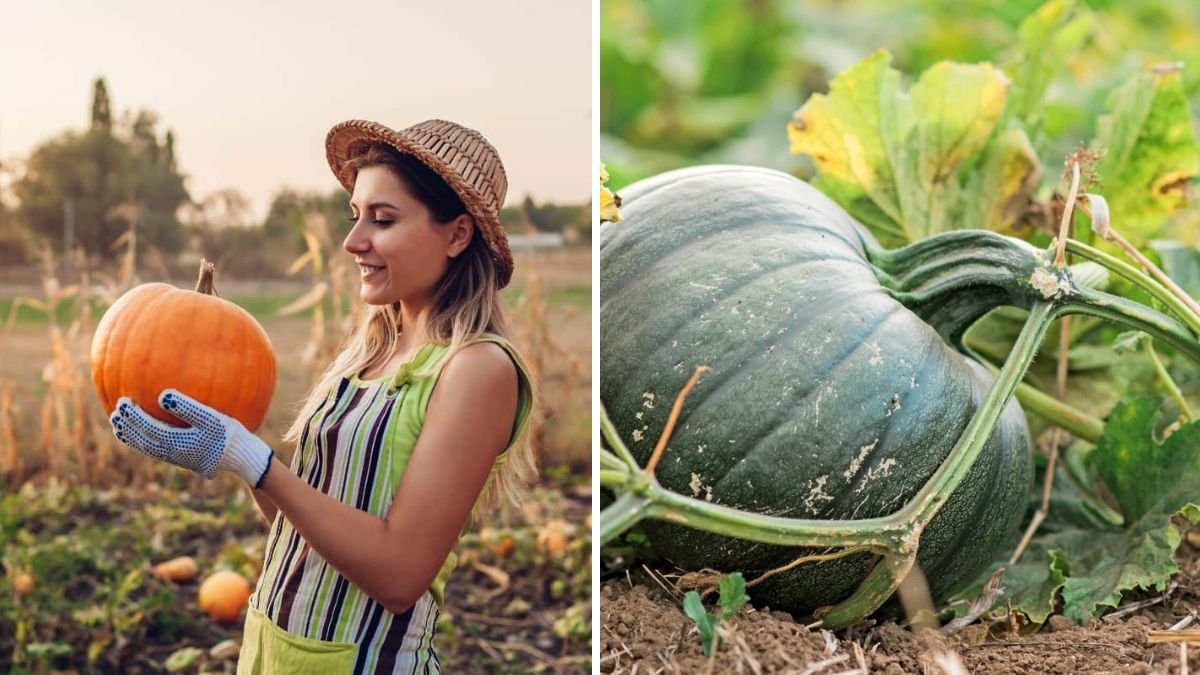
Pumpkins are more than just a fall decoration—they are living wonders of nature. From a tiny seed to a sprawling vine and a massive fruit, the growth of a pumpkin is a fascinating journey. For gardeners and enthusiasts, mastering extreme pumpkin growth isn’t just about luck—it’s about understanding plant science, applying smart cultivation techniques, and nurturing your pumpkin with care.
This comprehensive guide will take you step by step through the process of growing pumpkins to their maximum potential, from the delicate vine stage to producing extraordinary, show-stopping fruits. Whether your goal is a giant harvest, culinary delights, or garden aesthetics, this guide has you covered.
🎃 Why Focus on Extreme Pumpkin Growth?
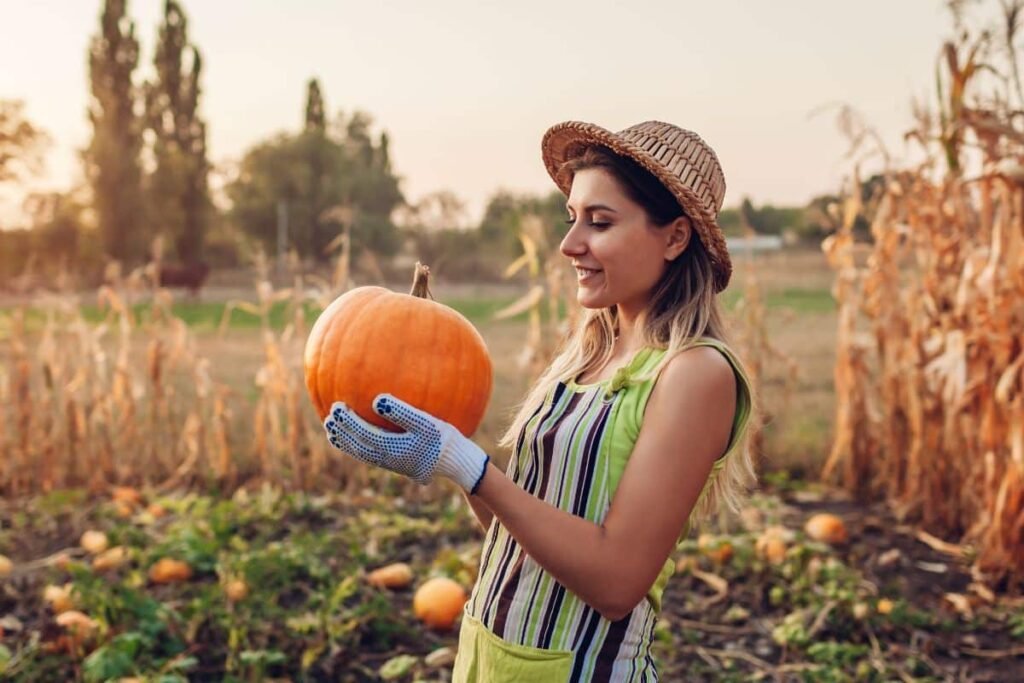
Extreme pumpkin growth is both an art and a science. Here’s why gardeners love to push their pumpkins to the limit:
1. Incredible Visual Impact
A single, massive pumpkin is a centerpiece for any garden, event, or fall display.
2. Record-Breaking Potential
With the right techniques, pumpkins can reach hundreds of pounds, thrilling growers in competitions.
3. Fast Growth Lessons
Pumpkins grow rapidly—sometimes gaining 20–50 pounds per week. This rapid growth is an excellent way to study plant biology and environmental impacts.
4. Nutritional & Culinary Value
Pumpkins are rich in vitamins A, C, and fiber, and large fruits provide seeds for future cultivation or roasting.
🌱 Step 1: Choosing the Right Pumpkin Variety
Not all pumpkins are created equal. To grow extreme-sized pumpkins, genetics play a key role.
Popular Giant Pumpkin Varieties:
- Atlantic Giant – the go-to for competitions and record-breaking fruits.
- Big Max – ideal for very large decorative pumpkins.
- Prizewinner – produces enormous fruits with good quality flesh.
- Dill’s Atlantic – another classic giant pumpkin cultivar.
Tips for Selecting Seeds:
- Choose seeds from proven, healthy plants.
- Purchase from trusted suppliers specializing in giant pumpkins.
- Look for seeds from pumpkins that have already achieved extreme sizes.
Genetics give your pumpkin a strong foundation, but care and cultivation make it grow extreme.
🌿 Step 2: Preparing the Soil for Extreme Growth
Giant pumpkins are heavy feeders, and soil preparation is crucial.
Ideal Soil Conditions:
- Loamy, fertile soil with organic matter.
- Slightly acidic to neutral pH (6.0–6.8).
- Rich in nutrients, especially nitrogen, phosphorus, and potassium (NPK).
Soil Preparation Steps:
- Deep Digging: Dig at least 12–18 inches to encourage robust root systems.
- Add Compost and Manure: Enrich the soil with well-rotted compost or cow manure.
- Create Raised Mounds: Plant on mounds for warmth and excellent drainage.
- Soil Testing: Check pH and nutrient content; amend with lime or sulfur if needed.
Strong, nutrient-rich soil is like providing a rocket launchpad for pumpkin growth.
💧 Step 3: Planting and Germination
Pumpkins require warmth to germinate successfully.
Planting Tips:
- Start seeds indoors 3–4 weeks before the last frost.
- Use small containers or peat pots filled with rich seed-starting mix.
- Keep soil moist but not waterlogged.
- Maintain temperature around 21–27°C (70–80°F).
Transplanting Seedlings:
- Transplant seedlings when they have 2–3 true leaves.
- Harden off by gradually exposing them to outdoor conditions.
- Plant on prepared mounds with 3–4 feet spacing to allow sprawling vines.
🌞 Step 4: Providing Optimal Sunlight and Environment
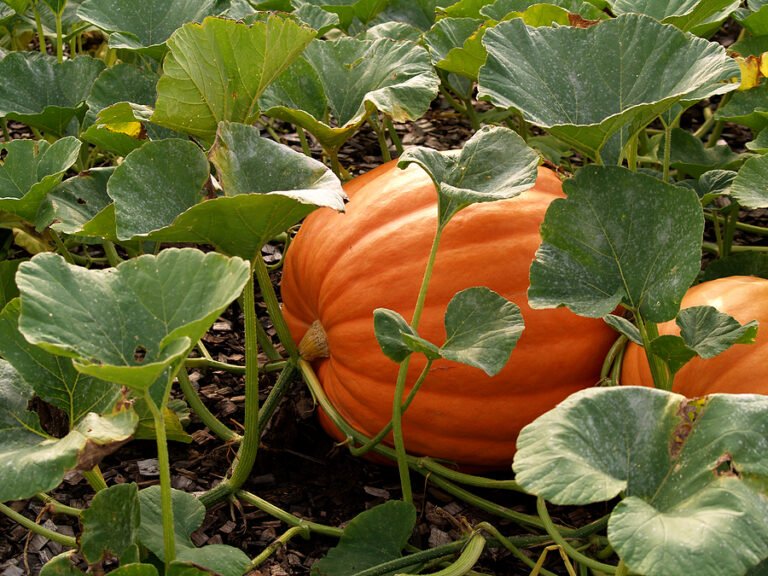
Pumpkins need the right environmental conditions for extreme growth:
- Full Sunlight: At least 6–8 hours daily.
- Warm Temperatures: Nighttime above 15°C is ideal.
- Protection from Wind: Sprawling vines can break easily.
- Ample Space: Vines can grow 20–40 feet in extreme cases, so plan accordingly.
Proper environmental control accelerates growth and prevents stress that limits size.
🍃 Step 5: Watering Techniques
Pumpkins are over 90% water, and their rapid growth depends on consistent hydration.
Watering Guidelines:
- Water deeply 1–2 times per week.
- Avoid wetting leaves to prevent fungal diseases.
- Use mulch around vines to retain moisture.
- Consider drip irrigation for steady water supply.
Uneven watering can cause blossom-end rot or stunted growth.
🌱 Step 6: Fertilization Strategy
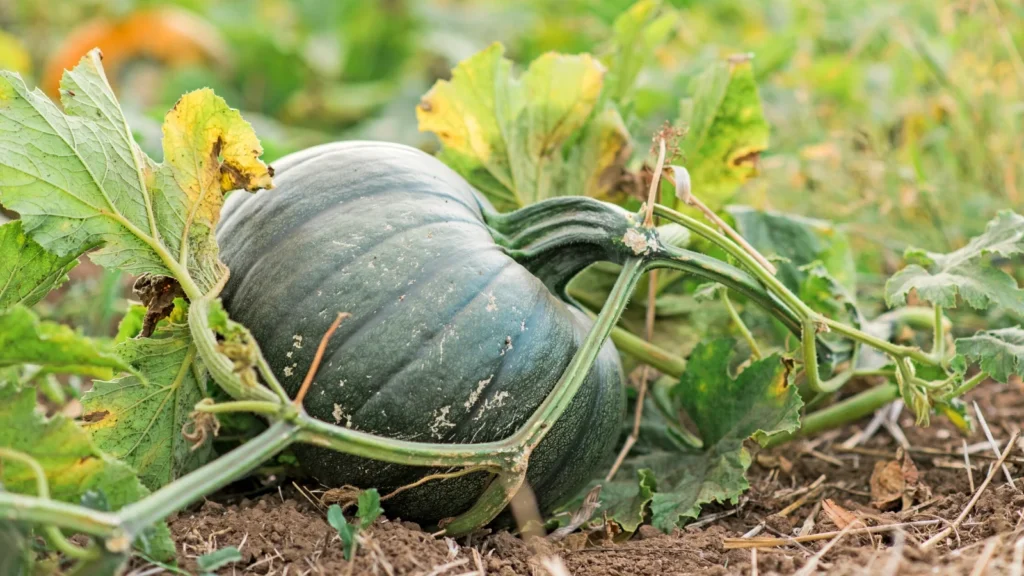
Extreme pumpkin growth requires careful nutrient management:
Recommended Fertilization:
- Early Growth Stage: Nitrogen-rich fertilizer for leafy, vine development.
- Flowering Stage: Phosphorus and potassium to support flowers and initial fruit set.
- Fruit Development: High potassium fertilizers for maximum fruit size.
Organic Options:
- Fish emulsion
- Seaweed extract
- Compost tea
Regular feeding ensures vigorous growth, strong vines, and healthy, massive fruits.
✂ Step 7: Vine Training and Pruning
Sprawling vines must be managed for optimal fruit size.
Vine Management Techniques:
- Limit fruits to one per vine to focus energy on a single giant pumpkin.
- Train vines along a straight path using stakes or supports.
- Pinch side shoots to concentrate nutrients on the main vine.
- Remove diseased or weak leaves promptly.
Proper vine management is essential to prevent wasted energy and ensure maximum fruit size.
🌸 Step 8: Pollination
Flower pollination is critical for pumpkin growth.
Tips for Successful Pollination:
- Encourage bees or hand-pollinate using a brush.
- Identify male and female flowers:
- Male: Long stem, clustered
- Female: Short stem, swollen base (future fruit)
- Pollinate early for strong fruit set.
Pollination ensures the pumpkin develops fully and grows to extreme proportions.
🎃 Step 9: Supporting the Growing Pumpkin
As the pumpkin enlarges, support becomes critical:
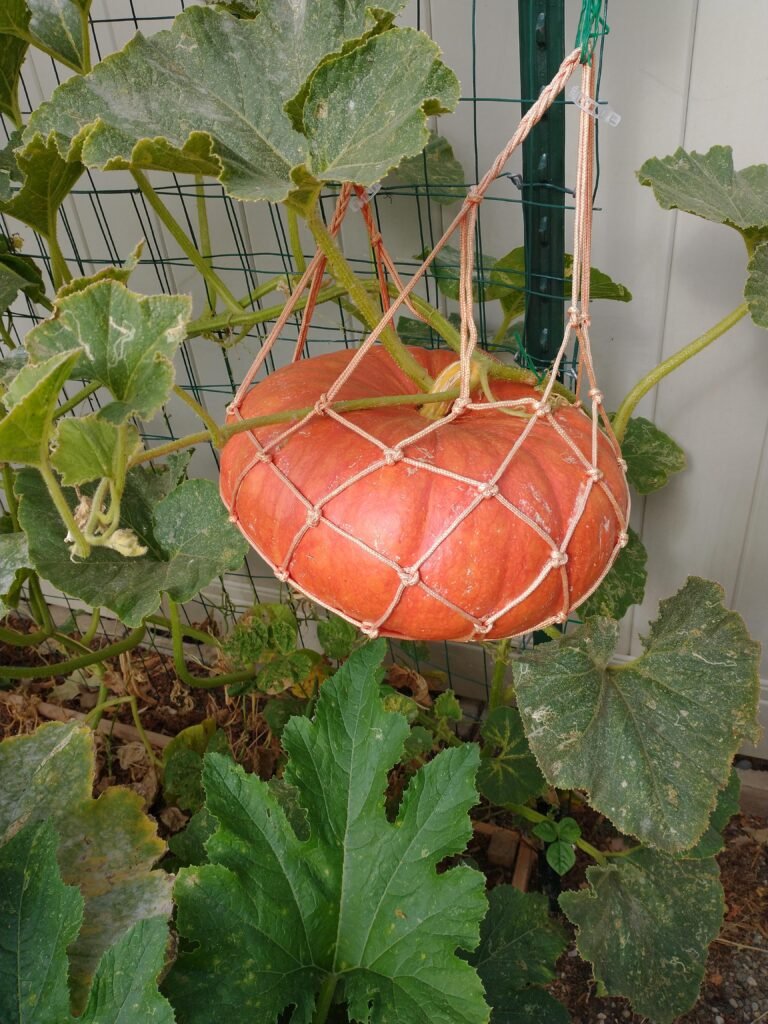
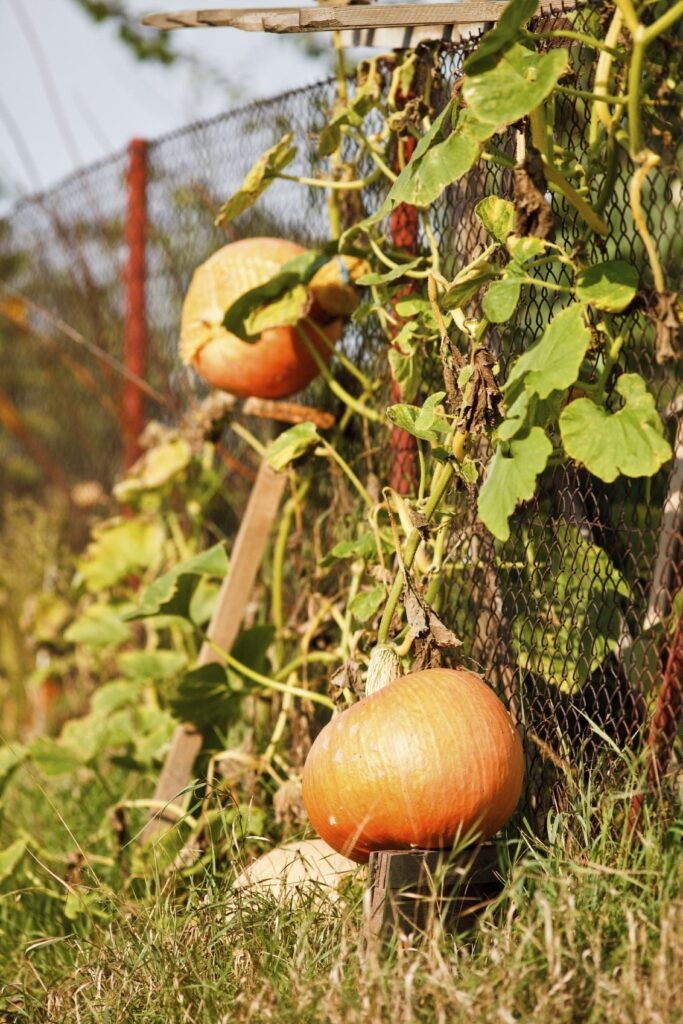
- Place straw, sand, or a wooden board under the fruit to prevent rotting.
- Shade the pumpkin from direct, harsh sunlight to prevent sunburn.
- Avoid excessive movement to prevent cracking.
A supported pumpkin can safely grow to record-breaking weights without damage.
🌿 Step 10: Monitoring Growth and Adjustments
Extreme growth requires constant attention:
- Check for pests like aphids, beetles, or squash bugs.
- Apply fungicides or neem oil for powdery mildew.
- Adjust water and fertilizer to meet the plant’s expanding needs.
- Remove any additional fruits that compete for resources.
Daily observation helps detect problems early, ensuring the pumpkin reaches its full potential.
🌱 Step 11: Harvesting Your Monster Pumpkin
Giant pumpkins are usually ready for harvest 90–120 days after planting.
Signs of Maturity:
- Skin color is fully developed.
- Stem begins to harden and dry.
- Fruit feels firm and sounds hollow when tapped.
Harvest Technique:
- Cut the stem carefully using a sharp knife.
- Lift with assistance or use a dolly for extreme weights.
- Handle gently—giant pumpkins are surprisingly delicate despite their size.
🌞 Common Problems & Solutions
1. Powdery Mildew
Solution: Use fungicidal sprays and maintain airflow.
2. Aphids & Pests
Solution: Introduce beneficial insects or apply mild insecticidal soap.
3. Blossom-End Rot
Solution: Maintain consistent watering and adequate calcium.
4. Cracking Fruit
Solution: Provide steady hydration; avoid sudden watering spikes.
🌿 Expert Tips for Extreme Pumpkin Growth
- Limit the plant to one pumpkin per vine.
- Monitor soil nutrients closely and adjust feeding.
- Provide plenty of space and sunlight for sprawling vines.
- Protect fruits from pests, disease, and harsh weather.
- Be patient—extreme growth is a marathon, not a sprint.
🌱 Final Thoughts
Extreme pumpkin growth is the ultimate gardening challenge, blending science, skill, and dedication. From tiny vines to colossal harvests, every step—from selecting seeds and preparing soil to watering, pruning, pollination, and support—affects the final outcome.
Whether you’re competing for prizes, showcasing a jaw-dropping garden centerpiece, or simply enjoying the thrill of nurturing a plant to massive proportions, extreme pumpkin cultivation is an extraordinary experience. With patience, care, and the right techniques, your garden can produce pumpkins that amaze friends, family, and neighbors alike.