Propagation is the heart of gardening and horticulture. While seeds are a common method, some plants take years to grow from seed or may not retain the parent plant’s qualities. Enter air layering, one of the most effective and reliable propagation techniques for producing strong, healthy plants identical to the parent.
Air layering allows gardeners, farmers, and plant enthusiasts to grow new plants from branches of mature plants without cutting them off entirely. It’s especially useful for fruit trees, flowering shrubs, and ornamental plants. This guide will walk you step by step through the air layering process, its benefits, and tips for success.
🌱 What is Air Layering?
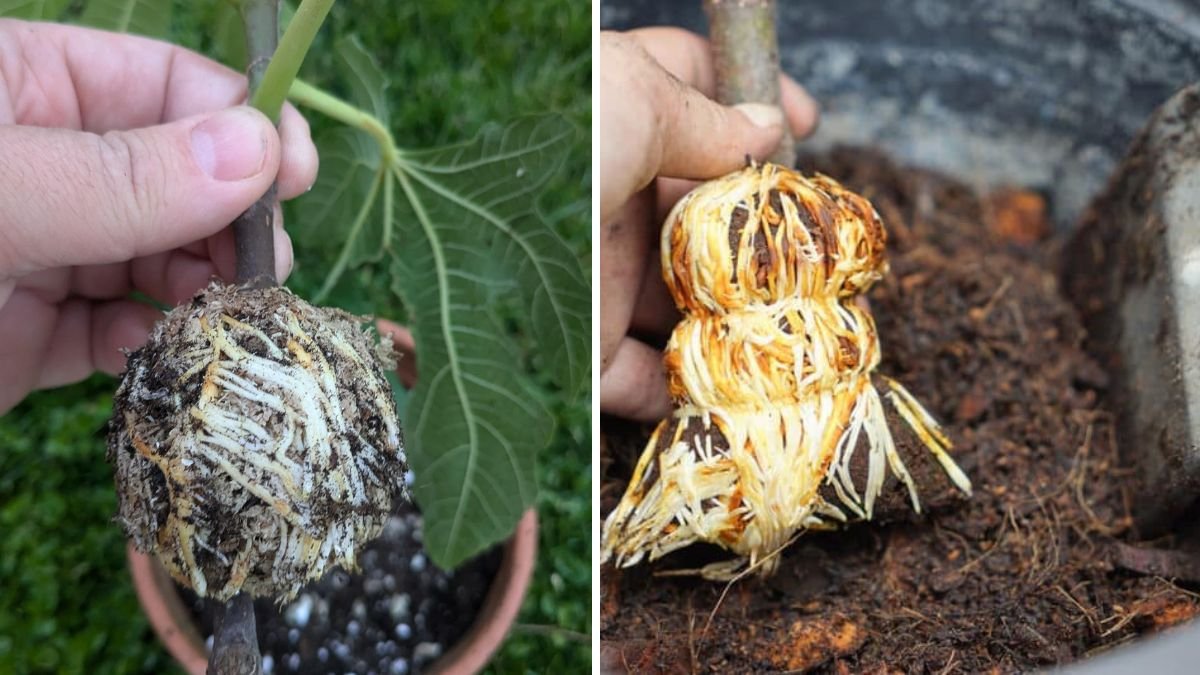
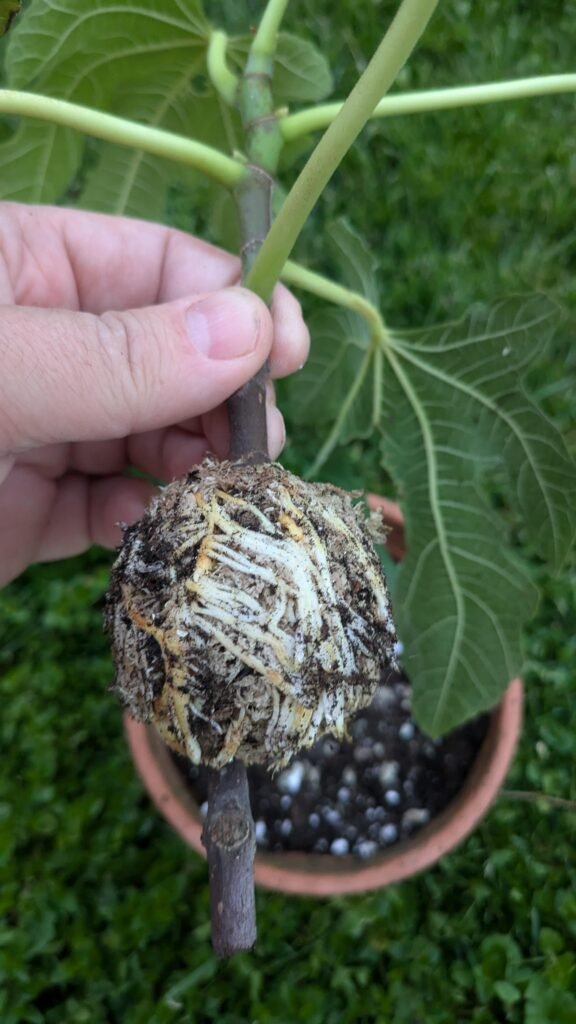
Air layering is a propagation technique in which a branch of a plant is induced to grow roots while still attached to the parent plant. Once the roots are established, the branch is cut and planted as a new plant.
Unlike cutting, which relies on detaching a branch, air layering allows the branch to receive nutrients from the parent plant, increasing the chances of successful rooting and growth.
🌿 Why Air Layering is the Best Propagation Method
Air layering offers several advantages over traditional propagation methods:
1. Higher Success Rate
Because the branch remains attached to the parent plant, it continues receiving water and nutrients, making rooting easier and faster.
2. Faster Growth
New plants start life with a strong root system, allowing them to establish and grow quickly.
3. True-to-Type Plants
Air layering ensures that the new plant is genetically identical to the parent, maintaining fruit quality, flower color, or foliage characteristics.
4. Ideal for Difficult-to-Root Plants
Some woody plants and fruit trees are difficult to propagate from cuttings. Air layering overcomes this limitation.
5. Reduces Plant Stress
The parent branch continues to receive nutrients until the new plant is ready, reducing stress compared to cuttings.
🌱 Best Plants for Air Layering
Air layering works best on woody shrubs and trees, including:
- Fruit Trees: Mango, Jackfruit, Guava, Citrus, Lychee
- Ornamental Trees: Hibiscus, Bougainvillea, Ficus
- Evergreen Trees: Rubber, Camellia
- Hard-to-root Shrubs: Gardenia, Azalea
Soft-stemmed plants and herbaceous plants generally do better with cuttings, so air layering is ideal for woody branches.
🌿 Step 1: Selecting the Right Branch
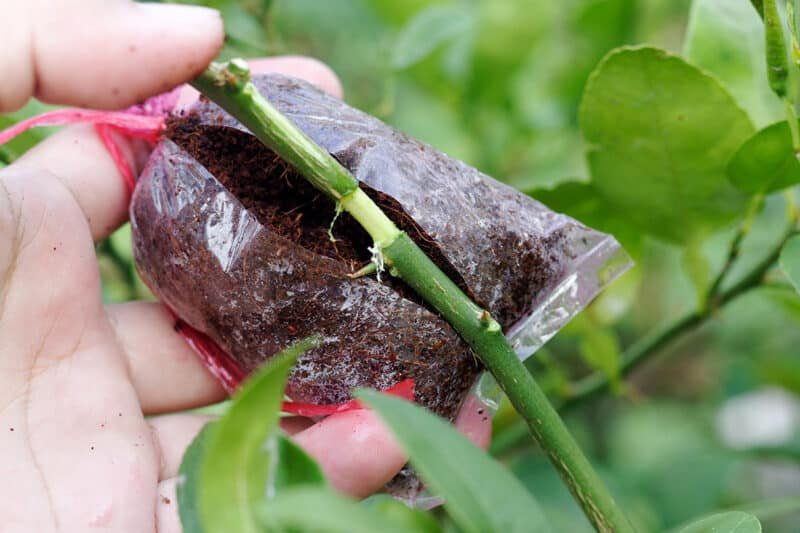
Choosing the right branch is crucial for successful air layering:
- Select a healthy, mature branch about 1–2 years old.
- The branch should be pencil-thick and free from disease or damage.
- Avoid overly young or very old branches, as they may not root well.
A strong, healthy branch ensures faster root development and better survival of the new plant.
🌱 Step 2: Preparing the Branch
Before wrapping and inducing roots, you need to prepare the branch:
- Choose a Spot: Select a section of the branch 12–18 inches from the tip.
- Make a Cut or Girdle:
- Girdling Method: Remove a 2–3 cm strip of bark around the branch to expose the inner tissue (cambium).
- Wounding Method: Scratch or slightly cut the surface to encourage rooting hormones to work.
- Optional Hormone Application: Apply rooting hormone powder or gel to the exposed area to accelerate root growth.
Proper preparation ensures faster root initiation and a higher success rate.
🌿 Step 3: Wrapping the Branch
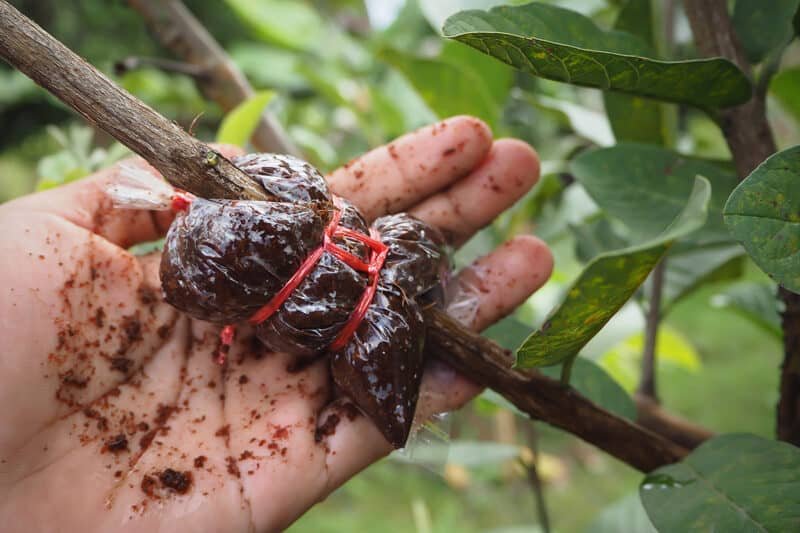
After preparing the branch, it needs to be wrapped to hold moisture and soil:
Materials Needed:
- Moist sphagnum moss or coco peat
- Clear plastic wrap or polyethylene sheet
- Twist ties, string, or tape
Steps:
- Soak sphagnum moss in water until thoroughly moist.
- Wrap the moss around the wounded section of the branch, covering it completely.
- Cover the moss with plastic wrap to retain moisture.
- Secure both ends with string or tape.
The moss acts as a medium for root growth, while the plastic keeps it humid and protected.
🌱 Step 4: Caring for the Air Layered Branch
Once the branch is wrapped, it needs care for root development:
- Check Moisture Regularly: The moss should remain moist but not waterlogged. Mist if necessary.
- Protection from Sun: Avoid direct, harsh sunlight, which can dry out the moss. Partial shade is ideal.
- Duration: Root formation typically takes 4–12 weeks, depending on the plant species and environmental conditions.
Patience is key. The more time the roots have to develop, the stronger the new plant will be.
🌿 Step 5: Removing and Planting the New Plant
Once roots are visible through the moss and healthy:
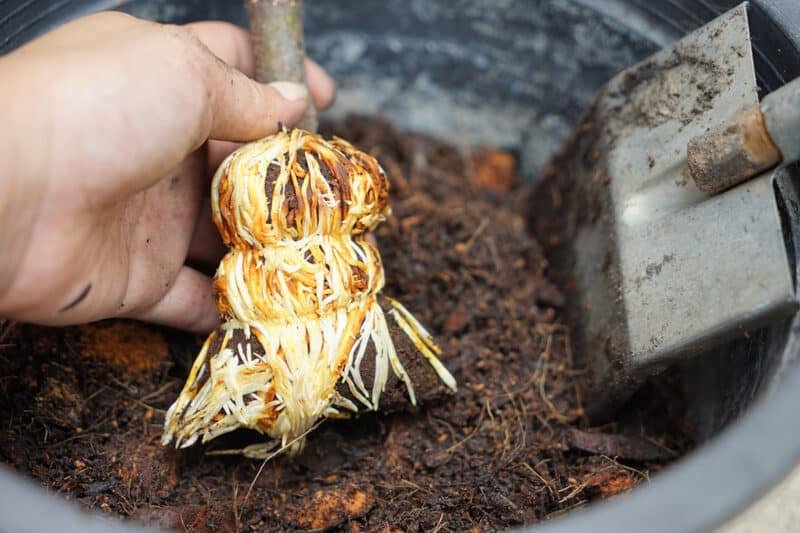
- Cut Below the Root Ball: Use a sharp knife to cut the branch just below the newly formed roots.
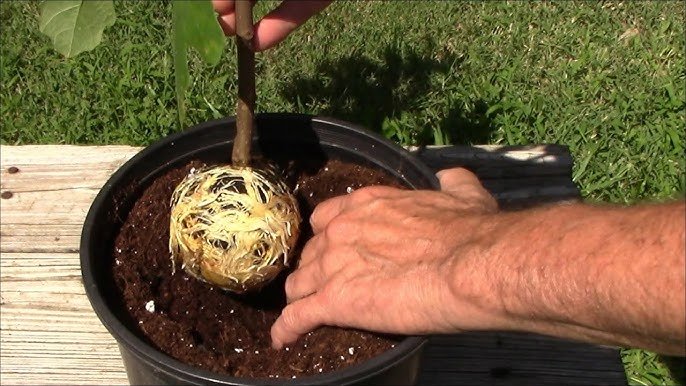
- Plant Immediately: Place the rooted branch in a pot or directly into prepared garden soil.
- Water Thoroughly: Keep the soil moist for the first few weeks to help the new plant establish.
- Shade Initially: Protect the young plant from direct sun for a few days to reduce transplant shock.
Proper handling during transplantation ensures survival and robust growth.
🌱 Tips for Successful Air Layering
- Use Fresh, Moist Moss: Dry moss will hinder root growth.
- Apply Rooting Hormone: While optional, it significantly increases the speed and success rate of rooting.
- Monitor for Pests or Mold: Remove any infected moss or leaves promptly.
- Choose Branches Wisely: Healthy, disease-free branches produce stronger plants.
- Be Patient: Some plants may take longer to root than others.
🌿 Common Problems and Solutions
1. No Root Formation
- Cause: Branch too young, too old, or not enough moisture
- Solution: Select a healthy branch and maintain moisture
2. Mold or Fungal Growth
- Cause: Excess moisture or poor airflow
- Solution: Ensure moss is moist but not soggy and allow some ventilation
3. Branch Breakage
- Cause: Weak branch or improper handling
- Solution: Support heavy branches with string or stakes until roots form
4. Root Rot
- Cause: Waterlogged moss
- Solution: Drain excess water and maintain proper moisture balance
🌱 Advantages of Air Layering Over Other Methods
- Works on hard-to-root plants that don’t respond well to cuttings.
- Produces larger, stronger plants ready for immediate growth.
- Less stress on the plant compared to complete cutting.
- Can propagate multiple branches simultaneously, increasing production.
- Ideal for gardeners with limited space as air layering can be done directly on the parent plant.
🌿 Conclusion
Air layering is the best way to propagate woody plants for gardeners seeking strong, healthy, and true-to-type offspring. By allowing roots to develop while the branch is still attached to the parent plant, air layering increases the chances of successful propagation, speeds up growth, and reduces plant stress.
From fruit trees to ornamental shrubs, air layering is a versatile, reliable, and rewarding propagation method. With careful selection of branches, proper preparation, consistent care, and patience, anyone can master air layering and enjoy a garden full of robust, thriving plants.
Embrace air layering today, and discover the joy of growing bigger, healthier trees and plants right from your existing garden.