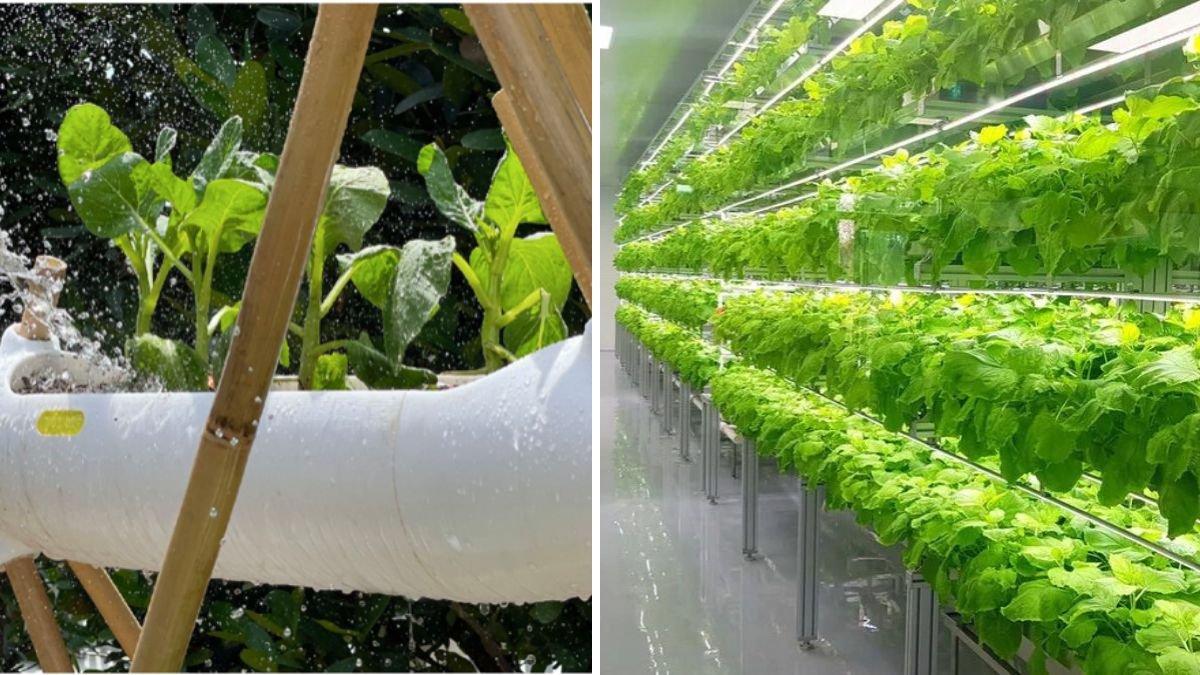
Plastic bottles are everywhere—empty water bottles, soda bottles, and milk containers often end up as waste in landfills, rivers, or streets. But innovative farmers around the world have found a creative solution: using plastic bottles in their fields to enhance crop growth, conserve water, and reduce costs. This unconventional method is transforming modern farming and helping growers increase productivity while embracing sustainability.
In this article, we’ll explore why farmers are turning to plastic bottles, the different methods they use, and the benefits of this simple yet effective practice.
The Problem of Water Scarcity in Agriculture
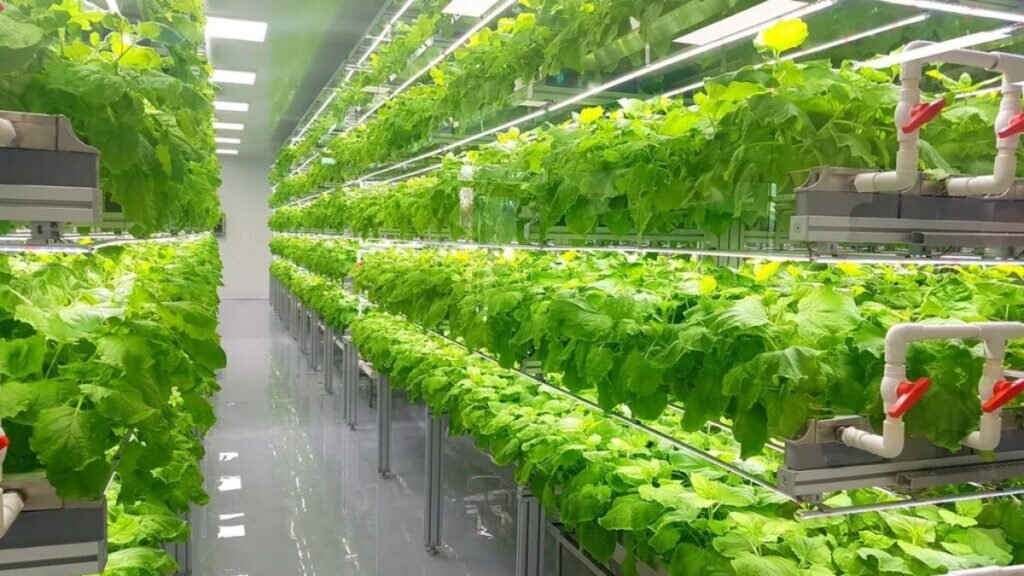
One of the biggest challenges for farmers today is water scarcity. Agriculture consumes around 70% of freshwater globally, and inefficient irrigation methods often waste precious resources. In areas prone to drought, maintaining healthy crops can be extremely challenging.
Plastic bottles offer a simple solution: they can be repurposed to irrigate plants efficiently, providing water directly to the root zone where it’s needed most. This method not only conserves water but also reduces labor and maintenance costs.
How Farmers Use Plastic Bottles in Agriculture
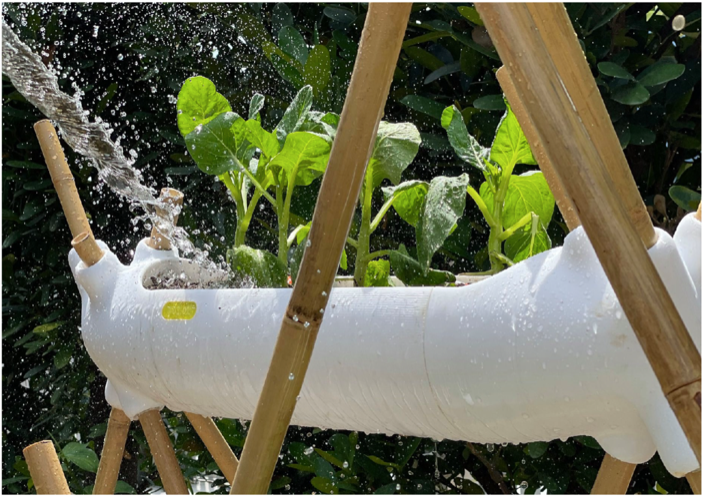
There are several innovative ways farmers are incorporating plastic bottles into their farming practices:
1. Drip Irrigation with Plastic Bottles
Drip irrigation is one of the most water-efficient ways to irrigate crops. Farmers have discovered that small holes in the caps of plastic bottles can turn them into slow-release watering devices.
- Method:
- Fill a clean plastic bottle with water.
- Poke small holes in the cap or along the sides of the bottle.
- Bury the bottle neck-down near the plant roots.
The water seeps slowly into the soil, ensuring that the roots receive a steady supply without wastage. This technique is especially useful for vegetables, flowers, and fruit plants, and it works perfectly for small-scale or home gardens.
2. Fertilizer Bottles
Farmers sometimes use plastic bottles to create small, localized nutrient delivery systems. By mixing water-soluble fertilizers in bottles with perforated caps, they can slowly feed plants over time. This targeted approach reduces fertilizer runoff, prevents nutrient loss, and ensures plants get consistent nourishment.
3. Seedling Protection
Plastic bottles can also serve as mini-greenhouses for young plants. Farmers cut the bottom off large bottles and place them over seedlings to protect them from pests, harsh sunlight, or cold temperatures. This creates a controlled microenvironment that encourages faster growth and reduces seedling mortality.
4. Hydroponics and Vertical Gardening
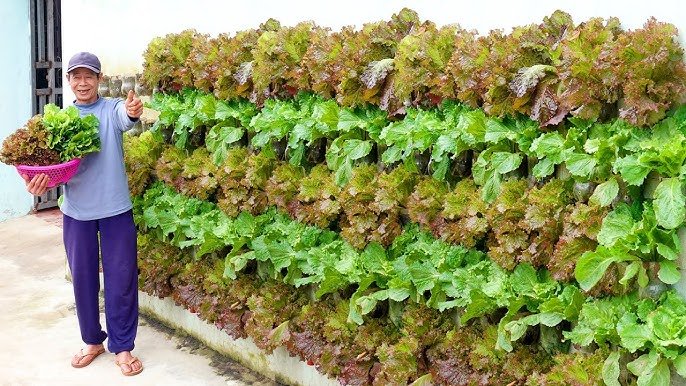
Plastic bottles are ideal for low-cost hydroponic systems. By cutting bottles and arranging them vertically or horizontally, farmers can grow vegetables, herbs, and leafy greens without soil. This method saves space, recycles plastic waste, and produces high yields in small areas.
Benefits of Using Plastic Bottles in Farming
- Water Conservation: Slow-release irrigation ensures minimal water loss through evaporation or runoff.
- Cost-Effective: Repurposing bottles reduces the need for expensive irrigation systems.
- Pest and Disease Management: Bottles can protect seedlings from pests and extreme weather conditions.
- Sustainability: This practice reduces plastic waste, turning a pollutant into a valuable farming tool.
- Improved Crop Yield: Consistent watering and nutrient delivery promote healthier, stronger plants and higher yields.
- Accessibility: Farmers in remote areas or with limited resources can easily adopt this method.
Real-Life Examples of Plastic Bottle Farming
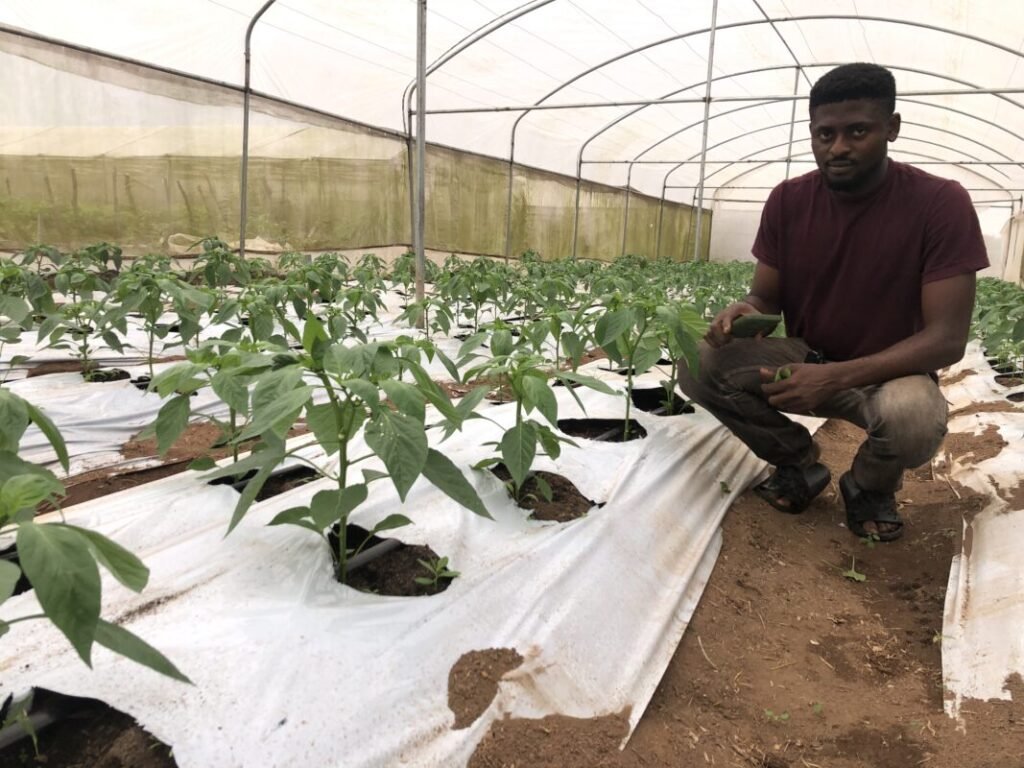
- In India: Farmers in rural areas use perforated bottles to water tomato, chili, and eggplant crops. They report better growth and reduced water consumption.
- In Africa: Communities facing drought use plastic bottles for drip irrigation to grow vegetables and small-scale cash crops, ensuring food security.
- Urban Farming: In cities, rooftop and balcony gardeners use plastic bottles for vertical gardening, growing herbs, lettuce, and strawberries efficiently.
Step-by-Step Guide to Using Plastic Bottles for Irrigation
- Collect Bottles: Gather clean, used plastic bottles. Avoid cracked or damaged bottles.
- Make Holes: Use a needle, pin, or small drill to make 2–4 small holes in the cap. The size of the holes affects the water flow.
- Fill with Water or Fertilizer Solution: Depending on your crop, you can fill bottles with plain water or a diluted nutrient solution.
- Place Near Plant Roots: Bury the bottles neck-down in the soil near the root zone.
- Monitor and Refill: Check regularly and refill as needed to ensure plants have a consistent water supply.
Tips for Success
- Bottle Size: Large bottles (1–2 liters) are ideal for medium-sized plants, while small bottles work for seedlings and potted plants.
- Spacing: Place bottles close to the main roots to maximize water absorption.
- Soil Type: Well-draining soil works best to prevent waterlogging around the bottles.
- Climate Consideration: In hot climates, bury the bottles deeper to reduce evaporation.
- Maintenance: Clean bottles periodically to prevent algae growth or blockages.
Challenges and How to Overcome Them
While using plastic bottles is effective, farmers may encounter a few challenges:
- Bottle Degradation: Sunlight can weaken plastic over time. Use UV-resistant bottles or partially bury them to extend lifespan.
- Clogging: Small holes may clog with soil or debris. Periodically check and clean the holes.
- Limited Scale: For large farms, plastic bottles may not replace conventional irrigation entirely but can supplement it in critical areas.
Environmental Impact
Using plastic bottles in farming is a smart way to reduce environmental impact:
- Plastic Recycling: Instead of ending up in landfills, bottles serve a functional purpose.
- Water Efficiency: Reduces unnecessary water usage and protects local water resources.
- Sustainable Agriculture: Encourages innovative, low-cost solutions for smallholder farmers.
By turning waste into a resource, farmers are contributing to a more sustainable and eco-friendly agricultural system.
Conclusion
The creative use of plastic bottles in farming is revolutionizing agriculture for small-scale farmers, urban gardeners, and even large fields looking for low-cost solutions. Whether it’s for drip irrigation, seedling protection, fertilizer delivery, or hydroponics, plastic bottles provide an efficient, eco-friendly, and cost-effective solution to many farming challenges.
This simple innovation addresses multiple issues: water conservation, plastic waste reduction, and increased crop yields. Farmers worldwide are embracing this technique, proving that sometimes the simplest ideas can have the most profound impact.
By adopting plastic bottle farming, gardeners and farmers can save resources, protect the environment, and grow healthier, more productive crops. It’s a small change with big results—a testament to human ingenuity in agriculture.