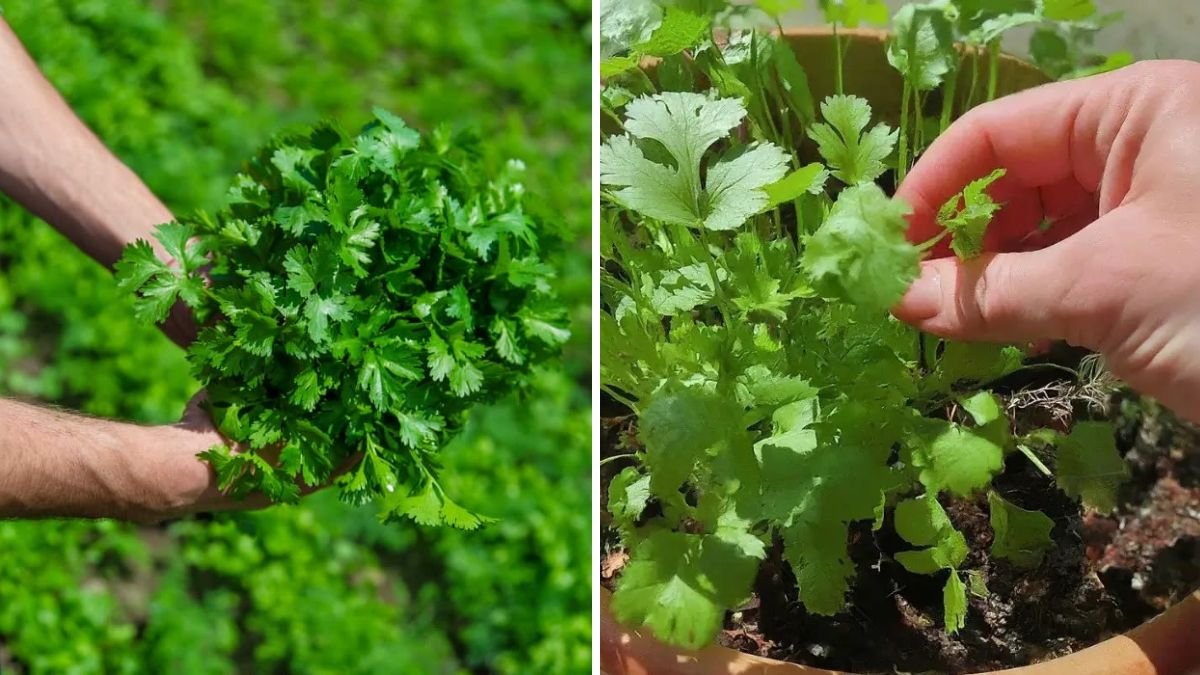
Coriander, also known as cilantro in many regions, is a popular herb prized for its fresh, citrusy flavor and culinary versatility. Whether used in curries, salads, salsas, or as a garnish, fresh coriander elevates any dish. But buying it from the store can be frustrating—store-bought coriander often wilts quickly, loses flavor, or is contaminated with pesticides. Growing coriander indoors is a simple, rewarding solution that provides fresh, aromatic leaves year-round.
In this guide, we’ll explore everything you need to know to grow coriander indoors successfully, from choosing containers to harvesting techniques.
Why Grow Coriander Indoors?
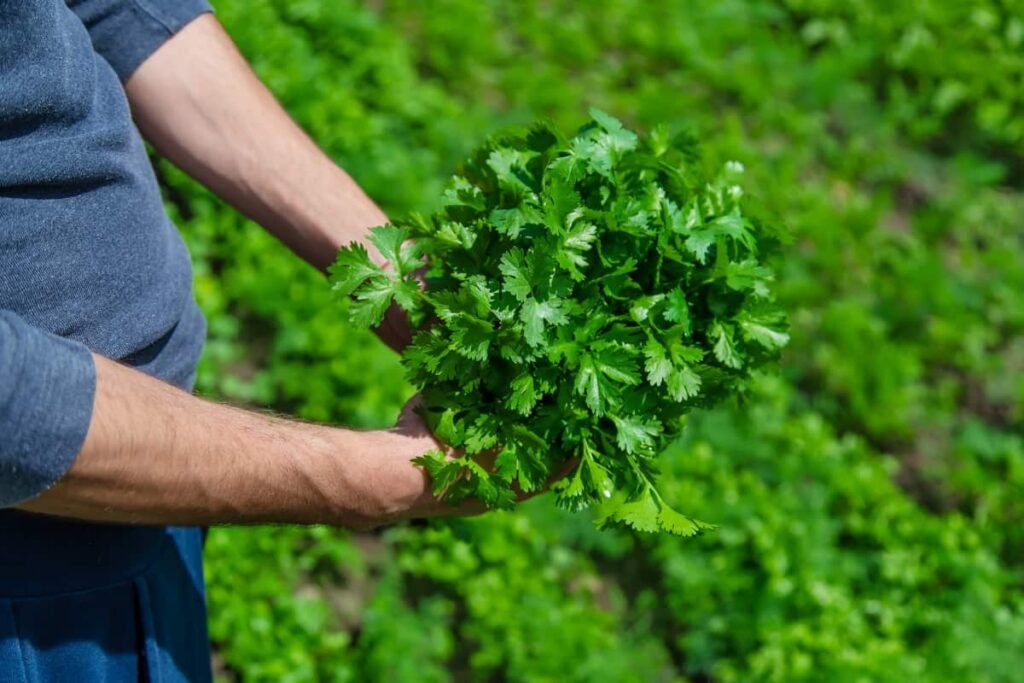
Indoor cultivation of coriander offers several advantages:
- Freshness Anytime: You can harvest leaves as needed, ensuring maximum flavor and aroma.
- Space Efficiency: Perfect for apartments, kitchens, or small balconies.
- Pest Control: Growing indoors reduces exposure to garden pests and diseases.
- Year-Round Growth: Indoor conditions allow you to grow coriander regardless of season.
By controlling light, water, and soil, you can create the ideal environment for coriander to thrive.
Materials You’ll Need
Before starting, gather the following materials:
- Coriander seeds: Opt for fresh, organic seeds for better germination.
- Containers or pots: Small to medium-sized pots (6–8 inches deep) with drainage holes are ideal.
- Potting soil: A light, well-draining soil rich in organic matter works best. Avoid heavy clay soils.
- Watering can: For gentle, even watering.
- Fertilizer: Balanced liquid fertilizer or organic compost to support growth.
- Grow lights (optional): If natural light is limited, fluorescent or LED lights provide the necessary light spectrum for healthy growth.
Step-by-Step Guide to Growing Coriander Indoors
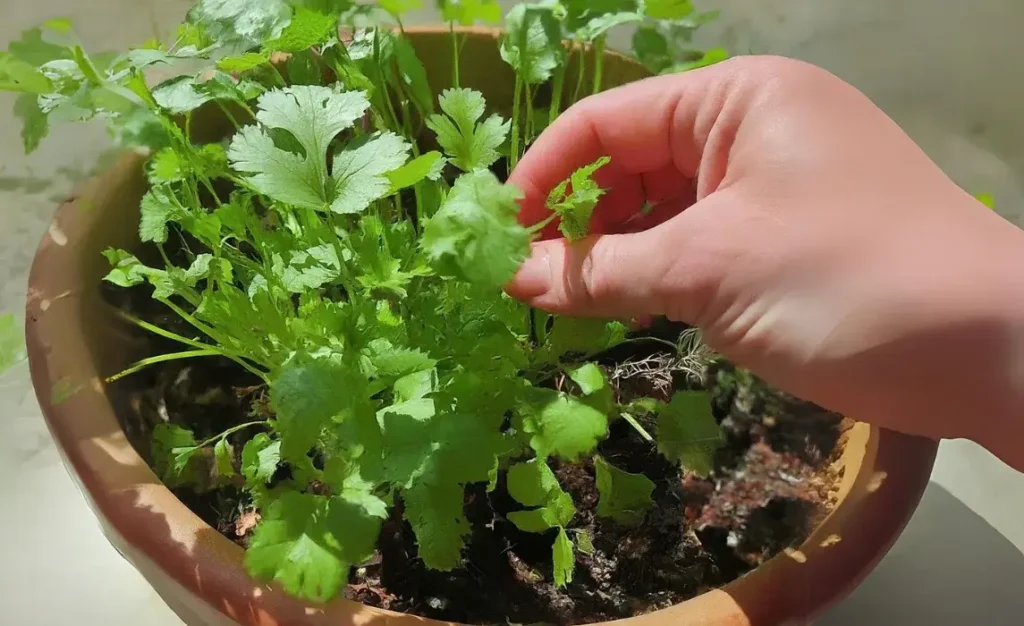
Step 1: Preparing the Seeds
Coriander seeds are technically the dried seeds of the plant, and each seed can produce one plant. Before sowing, soak the seeds in water for 12–24 hours to speed up germination. Some gardeners also gently crush the seeds to release the embryo, though this is optional.
Step 2: Choosing the Right Container
Select a container with good drainage. Coriander has long taproots, so choose a pot that is at least 6–8 inches deep. Containers can be traditional pots, recycled containers, or even small window boxes. The key is sufficient depth and drainage to prevent waterlogging, which can cause root rot.
Step 3: Preparing the Soil
Fill the container with well-draining potting soil. Mix in a small amount of compost or organic fertilizer to provide nutrients. Avoid heavy soils that compact easily, as coriander roots require loose soil to grow properly.
Step 4: Sowing the Seeds
Sow coriander seeds about ¼ inch deep into the soil, spacing them about 1–2 inches apart. Cover lightly with soil and gently water. For continuous harvest, you can sow seeds every 2–3 weeks in separate containers.
Step 5: Providing Light
Coriander needs at least 4–6 hours of bright light per day. Place your container near a sunny window, preferably south-facing. If natural light is insufficient, use grow lights for 10–12 hours daily to ensure strong, healthy leaves.
Step 6: Watering Properly
Water coriander regularly to keep the soil consistently moist but not waterlogged. Overwatering can lead to root rot, while underwatering causes the plant to bolt prematurely. The key is balance—water when the top inch of soil feels dry.
Step 7: Fertilizing
Feed coriander plants every 2–3 weeks with a balanced liquid fertilizer or organic compost. Too much fertilizer, especially nitrogen-heavy ones, can lead to excessive leaf growth but may reduce flavor intensity. Use moderate feeding to maintain a balance between growth and aroma.
Caring for Your Indoor Coriander
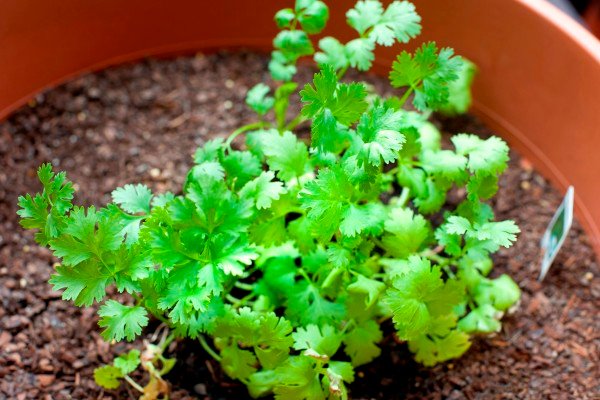
Temperature and Humidity
Coriander prefers cooler temperatures between 18–24°C (65–75°F). High heat can cause bolting (premature flowering), which reduces leaf production. Indoor humidity is generally sufficient, but avoid placing the plant near radiators or heaters that dry the air.
Pruning and Harvesting
Regular harvesting encourages bushier growth. Use scissors to snip the outer leaves from the base, leaving the inner shoots to continue growing. Avoid cutting more than one-third of the plant at a time to prevent stress. You can also remove flower buds to delay bolting and extend leaf production.
Preventing Bolting
Bolting is when the plant prematurely flowers and sets seed, often triggered by heat or stress. To prevent bolting:
- Keep the plant in moderate temperatures.
- Ensure consistent watering.
- Harvest regularly to encourage leaf growth.
Common Problems and How to Solve Them
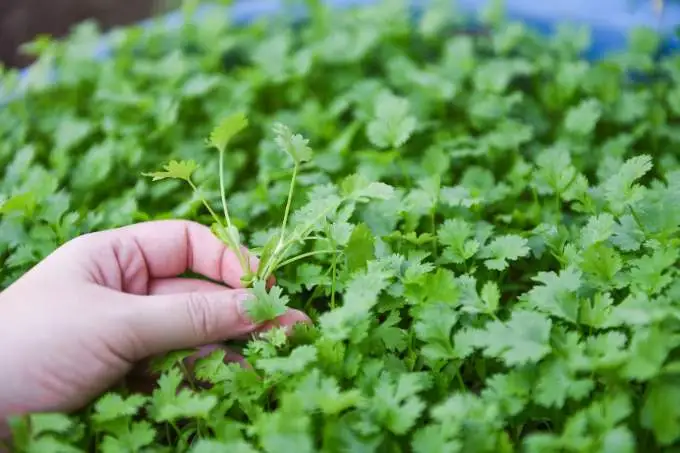
- Yellow Leaves: Usually caused by overwatering or poor drainage. Ensure the pot has drainage holes and allow the soil to dry slightly between watering.
- Leggy Growth: Often due to insufficient light. Move the container closer to a sunny window or use grow lights.
- Pests: Indoor coriander can occasionally attract aphids or spider mites. Wipe leaves with a damp cloth, or use natural pest deterrents like neem oil.
- Bolting: High temperatures and irregular watering can cause bolting. Maintain cool, stable conditions and harvest regularly.
Harvesting Tips
You can begin harvesting coriander leaves once the plant reaches 4–6 inches in height, usually 3–4 weeks after sowing. For continuous supply:
- Harvest outer leaves first, allowing inner leaves to continue growing.
- Sow new seeds every 2–3 weeks in separate pots.
- Once the plant bolts, you can collect coriander seeds for culinary use or replanting.
Why Indoor Coriander is Better Than Store-Bought
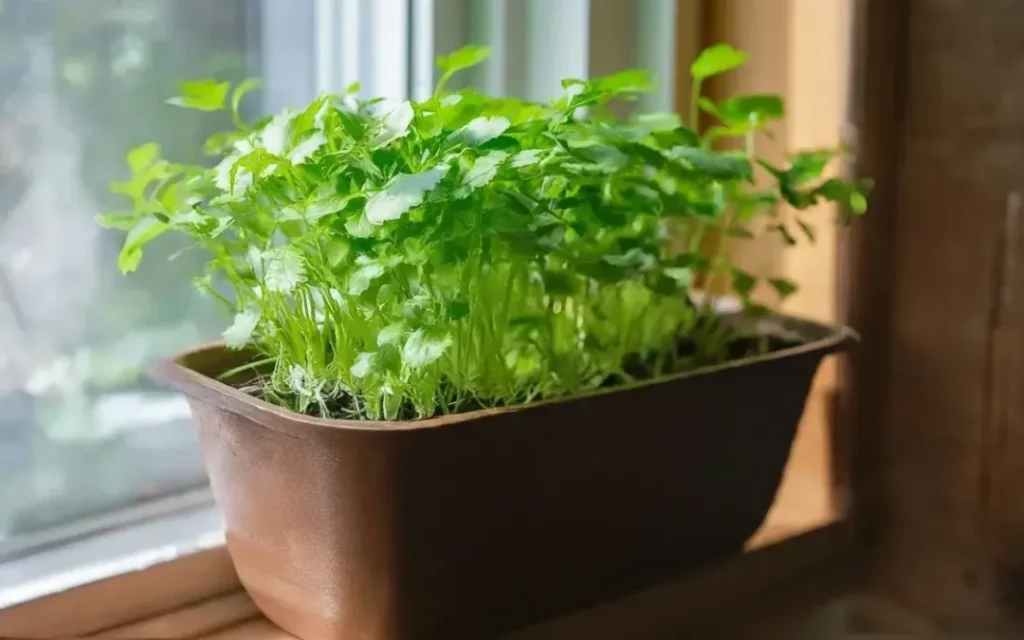
- Freshness: Leaves retain their natural aroma and flavor.
- Chemical-Free: You control soil, water, and nutrients, avoiding pesticides and harmful chemicals.
- Cost-Effective: Continuous harvest reduces the need to buy fresh herbs regularly.
- Sustainability: Reduces packaging and transportation waste.
Growing coriander indoors is not just about convenience—it’s a step toward healthier, fresher cooking and a more sustainable lifestyle.
Conclusion
Growing coriander indoors is a simple and rewarding way to enjoy fresh, aromatic herbs year-round. With the right containers, soil, light, and care, anyone can cultivate coriander successfully, even in small apartments or urban settings. Regular watering, harvesting, and attention to temperature ensure healthy plants that provide continuous leaf production.
Whether you’re adding it to salads, garnishes, curries, or homemade sauces, homegrown coriander elevates your cooking and connects you with the joy of growing your own food. With patience and consistent care, you’ll have a lush, fragrant indoor coriander garden that will keep your dishes fresh and flavorful throughout the year.