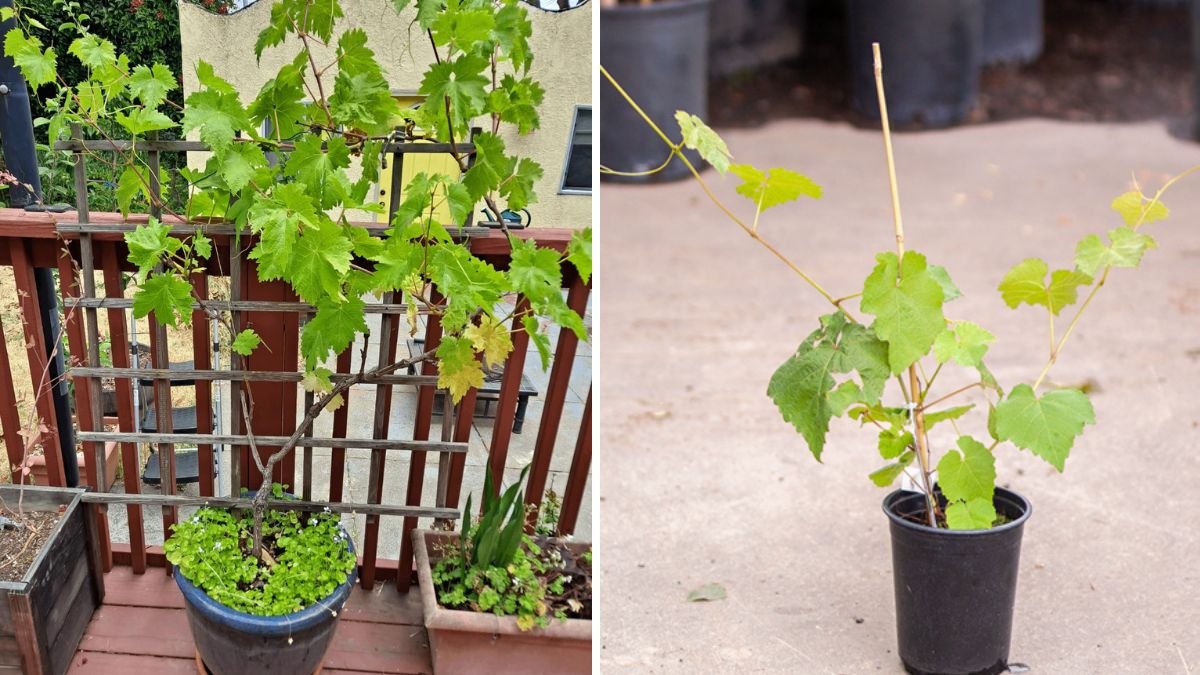
Grapes are among the most rewarding fruit plants to grow at home, offering delicious fruits, natural sweetness, and a touch of elegance to your garden. While planting grape seeds is possible, it’s not the most efficient way to propagate healthy, fruit-bearing vines. If you want faster results, uniform quality, and a higher success rate, grafting grapes from cuttings is the way to go.
Grafting allows you to combine the best characteristics of two grapevines, producing a stronger, more resilient plant with excellent fruiting potential. In this guide, you’ll learn the science behind grafting, the tools and techniques you need, and step-by-step instructions to grow your very own thriving grapevine from cuttings—all from the comfort of your backyard.
Why Graft Grapes Instead of Growing from Seeds?
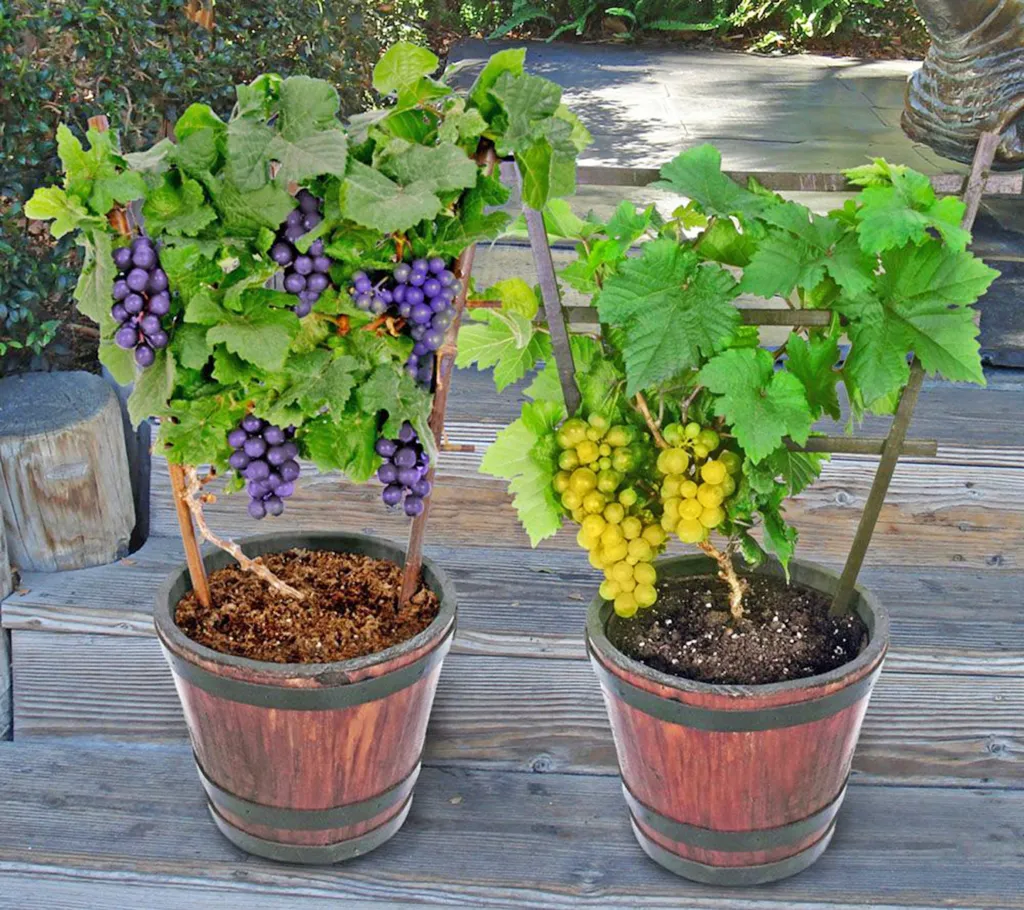
Growing grapes from seeds has several limitations:
- Time-consuming: Grapevines grown from seeds take several years to bear fruit.
- Unpredictable quality: Seed-grown vines may not inherit the parent plant’s flavor, yield, or disease resistance.
- Lower survival rate: Seedlings are weaker and more vulnerable to pests and diseases.
Grafting cuttings, on the other hand, gives you:
- Faster fruiting: A grafted vine may bear fruit within 1–2 years.
- Consistency: The new plant maintains the parent variety’s traits.
- Resilience: The rootstock can be chosen for disease resistance and adaptability to soil conditions.
Understanding Grapevine Grafting
Grafting is the process of joining a scion (the upper part of the plant that will produce fruit) with a rootstock (the lower part providing roots and strength). Once joined correctly, the tissues fuse, and the scion continues to grow using the rootstock’s nutrients and support.
This method works wonders for grapes because:
- Grapes are woody plants that readily accept grafts.
- It ensures uniformity in taste and growth.
- It allows the use of robust rootstocks for challenging soil or climates.
Materials You’ll Need for Grafting Grapes
Before starting, gather the following:
- Healthy grapevine cuttings (scion): Select a one-year-old vine from a productive plant.
- Rootstock vine: Choose a healthy, disease-resistant vine suited to your region.
- Sharp pruning knife or grafting knife for clean cuts.
- Grafting tape or parafilm to secure the graft.
- Rooting hormone (optional) to encourage faster tissue growth.
- Plastic bags or humidity chamber to maintain moisture.
- Clean container with water to keep scion cuttings fresh.
Step-by-Step Guide: Grafting Grapes From Cuttings
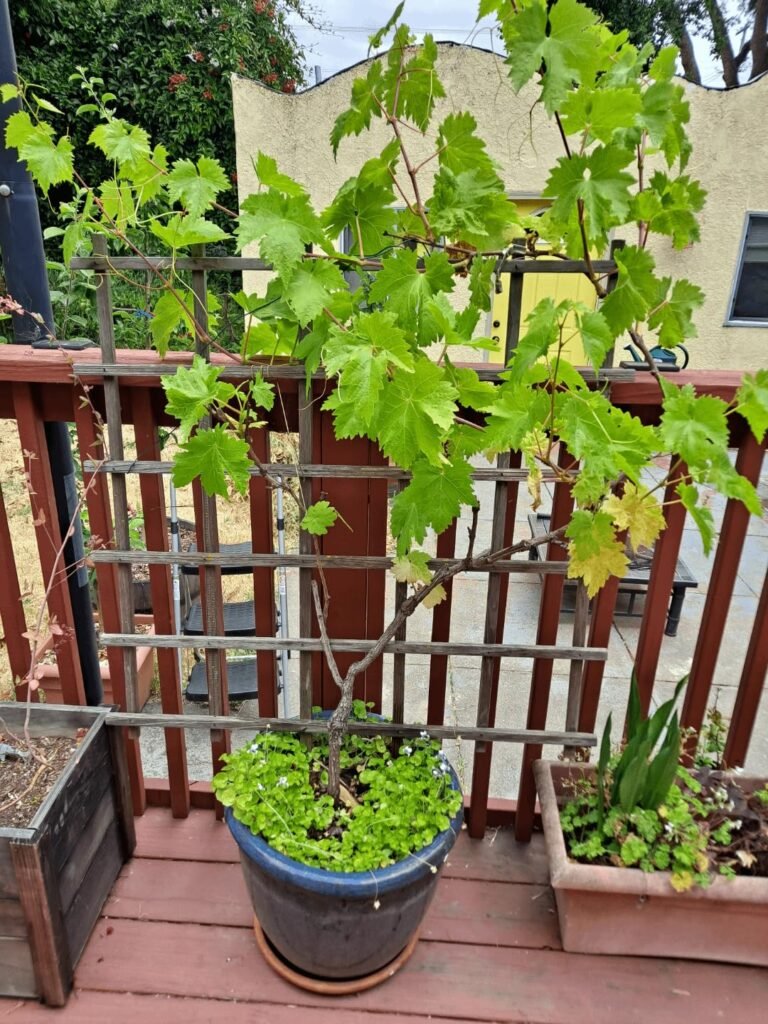
Here’s an easy method for successful grapevine grafting that even beginners can follow.
Step 1: Select Healthy Scion and Rootstock
- Choose scions with 2–3 healthy buds from a productive grapevine.
- Select a rootstock with a strong, established root system.
- Both should be free from pests, diseases, or visible damage.
Step 2: Prepare the Cuttings
- Cut the scion just below a node.
- Trim the rootstock stem to match the scion’s diameter.
- Remove any leaves or lateral shoots from the grafting area.
A clean cut ensures better cambium contact, which is crucial for grafting success.
Step 3: Make the Graft
There are several grafting methods, but the most common for grapes are:
Whip-and-Tongue Graft
- Make a diagonal cut (~2–3 inches) at the base of the scion.
- Make a matching diagonal cut on the rootstock.
- Create a small “tongue” cut in both scion and rootstock to interlock them.
- Fit the scion and rootstock together so the cambium layers align perfectly.
Cleft Graft (for larger rootstocks)
- Make a vertical slit in the rootstock.
- Shape the scion into a wedge.
- Insert the scion into the slit so it fits snugly.
- Ensure cambium layers of scion and rootstock touch.
Both methods provide strong graft unions if done carefully.
Step 4: Secure the Graft
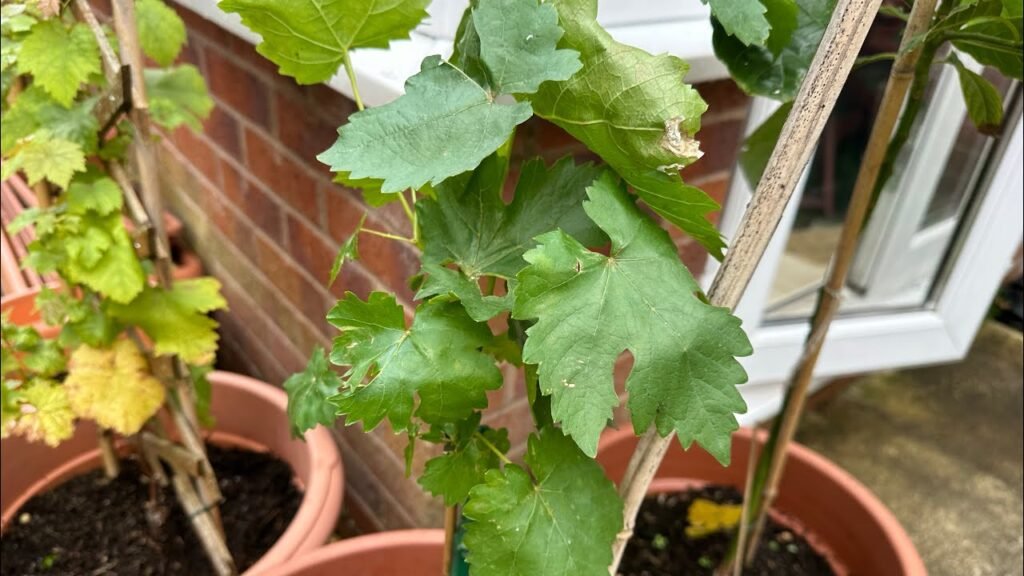
- Wrap the grafted area tightly with grafting tape or parafilm.
- Ensure there are no gaps where moisture can escape or pathogens can enter.
- Seal the top of the scion lightly to prevent drying.
Step 5: Maintain Moisture and Humidity
- Place the grafted vine in a shaded, humid environment.
- Mist the graft regularly to prevent drying.
- Avoid direct sunlight and heavy wind.
- Keep the rootstock soil moist but not waterlogged.
Step 6: Monitor and Care for the Graft
- New growth usually appears within 2–4 weeks.
- Once buds start sprouting, gradually remove the tape after a few weeks.
- Check for signs of infection, disease, or failure.
Step 7: Planting and Long-Term Care
Once the graft has taken successfully:
- Plant the vine in well-draining soil with full sun exposure.
- Fertilize with organic compost or liquid fertilizer regularly.
- Train the vine on a trellis, wire, or pergola for optimal growth.
- Prune annually to encourage better fruiting and air circulation.
Tips for Successful Grapevine Grafting
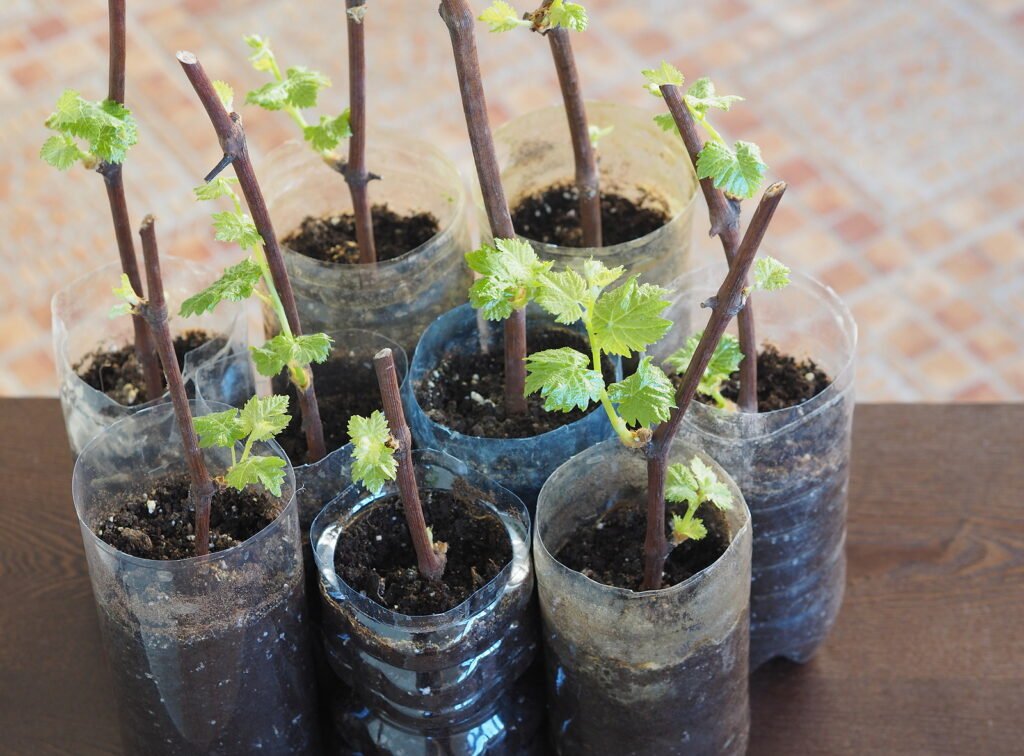
- Timing is key: The best time for grafting grapes is late winter or early spring, before new growth begins.
- Use sharp tools: A clean cut promotes faster healing and prevents infection.
- Choose compatible varieties: Scion and rootstock should be compatible for successful grafting.
- Keep it humid: Moisture retention is crucial during the first few weeks.
- Protect from pests: Cover grafts with fine mesh if insects are a problem.
Common Problems and How to Solve Them
- Graft failure: Usually due to misaligned cambium, drying, or infection. Fix: Re-graft carefully.
- Pest damage: Protect young grafts with neem spray or netting.
- Weak growth: Ensure rootstock is healthy and fertilize regularly.
- Browning or wilting scion: Keep shaded and maintain humidity.
Benefits of Grafted Grapes
- Faster fruit production compared to seed-grown vines.
- Uniform fruit quality matching the parent variety.
- Stronger disease resistance depending on rootstock choice.
- Adaptable to challenging soil with the right rootstock.
For home gardeners, grafting is a reliable and rewarding way to grow grapes successfully.
Why Every Home Gardener Should Try Grapevine Grafting
Grafting grapes is not only practical but also incredibly satisfying. It allows you to:
- Multiply your favorite grape varieties
- Save money by producing your own vines
- Enjoy early harvests in 1–2 years
- Experiment with new combinations of rootstock and scion
- Increase the productivity and lifespan of your vineyard
Even if you have limited space, a few grafted grapevines on a balcony, trellis, or backyard can provide delicious fruits for years.
Final Thoughts
Grafting grapes from cuttings is a simple, yet highly effective technique to grow strong, fruit-bearing grapevines at home. By selecting healthy scions and rootstocks, following proper grafting methods, and maintaining moisture and care, anyone can enjoy the rewards of homegrown grapes.
Whether your goal is a small backyard vineyard or a few potted vines for personal use, this method ensures faster growth, higher yields, and superior fruit quality. With patience and attention to detail, you’ll soon see your grapevines thrive, producing sweet, juicy grapes season after season.
Start grafting today, and turn your garden into a grape lover’s paradise! 🍇